What should I prepare for my first conversation with Rubi?
Start with the cemetery name, plot location and burial type. A photograph of the site, a preferred date and a design you like are useful too.
Before choosing a stone, make room for questions.
What does the price include? When should the wording be approved? How do you choose a memorial that feels right for your family? Find clear answers, understand your options and take things at your own pace.
Search questions and answers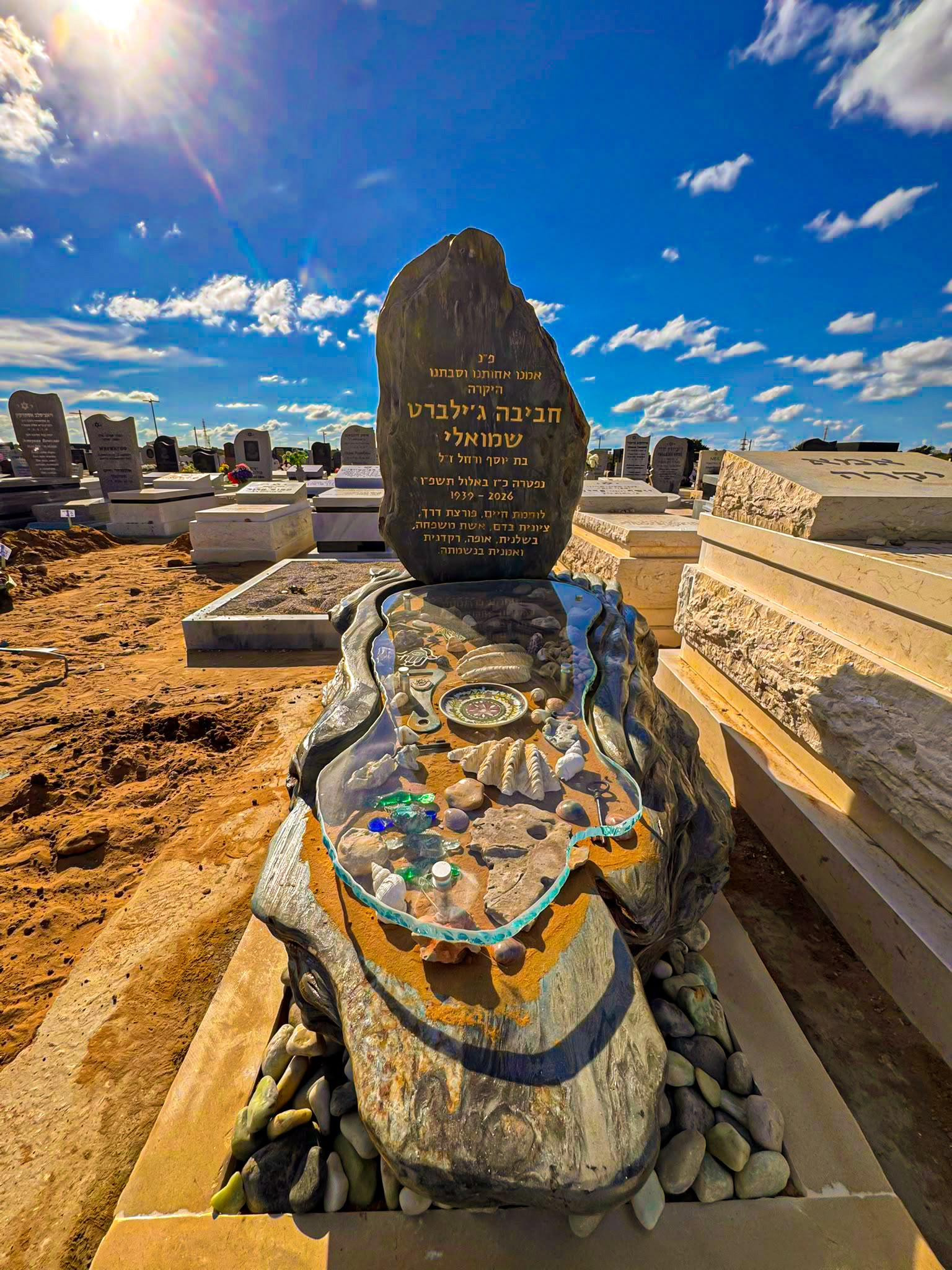
Choose a topic to explore, or search in your own words.
80 questions found
Start with the cemetery name, plot location and burial type. A photograph of the site, a preferred date and a design you like are useful too.
We first establish the plot details and cemetery requirements. Then we select a design direction and stone, prepare a quotation and agree dimensions, lettering and additions.
An early enquiry helps, even if the family is not ready to decide every detail.
First agree on a budget, the feeling the memorial should convey and the details that matter most.
Choose someone who can collect the plot details, pass on questions and keep everyone involved in decisions.
Yes. Tell me about the person, what mattered to them and the kind of place the family wants to create.
Much of the planning can be handled through calls, photographs and drawings.
A design must work in the place where it will stand. Height, plot boundaries, the base and additions such as a bench or planting may be subject to local rules.
Stone and dimensions, fabrication, carving, lettering, additions, delivery and installation all affect the price.
Look for the material, dimensions, finish, lettering specification, portraits or accessories, delivery and installation.
Compare the specifications: stone, dimensions, finish, lettering and installation scope.
Yes, by deciding what deserves priority. Well-proportioned lettering, a meaningful sentence and a good finish can make a simple memorial personal.
Do not assume they are. Payment arrangements for a foundation, work permit or other service depend on the cemetery and the contractor’s agreement.
First establish how far the work has progressed. Revising a drawing before cutting is different from replacing a finished part or redoing engraving.
A photograph helps establish a direction, but it may not reveal dimensions, thickness or the exact stone.
Agree when payments are due, which stages they cover, what counts as completion and which documents you receive.
The trade name alone is not enough. Granite is generally hard and relatively durable, while stones sold as “marble” can have quite different properties.
Natural stone varies in colour, veining and texture; it is not a repeated print.
Black granite can provide strong contrast for light lettering and an engraved portrait, but it is not automatically the best choice.
With natural rock, the shape is part of the design. Plan where the name and inscription can be read comfortably.
Finish changes the way light and colour are perceived, as well as how the surface is cleaned.
Yes, provided the combination works visually and practically. Consider colours, component weight, connections and the care each surface needs.
Identify the glass product, its fixing method and its suitability for outdoor exposure.
No stone should be promised to remain completely unchanged. Sun, water, dust, vegetation and cleaning methods affect appearance, and materials respond differently.
I start by asking what you want someone standing there to feel. We then choose a memory or quality that can be expressed through shape, material or wording.
A photograph is a useful starting point, but identify what you like rather than copying without considering the setting.
A drawing or visualisation shows how the stone, name, text and additions relate to each other.
A heart can express love directly, but it should feel right for the person and family.
Consider planting and pebbles after checking cemetery rules and available space.
Not at every plot, and not without checking. A bench can affect access and plot boundaries, so the cemetery operator’s permission is needed.
A personal reference can be engraved, carved or incorporated as a suitable component.
Choose one focal point and give it space. Richly patterned stone may call for quieter lettering; a substantial inscription may benefit from fewer surrounding details.
Start with the essential facts: name, dates and details the family wants to include.
Print the text and check names, dates, spelling, punctuation and line breaks separately.
Both can be included, subject to the family’s wishes and local requirements.
Yes, with enough space and a clear reading direction. Every word need not appear twice: names and dates may be bilingual while a personal sentence uses one language.
Before reducing the lettering, decide what must be on the stone and what can be shortened.
Send the original file with a sharp face and clear lighting, rather than a screenshot or repeatedly forwarded image.
An engraved portrait is formed on the stone, making contrast and the material especially important.
The error and the affected component need to be inspected. A correction may involve resurfacing, a revised layout or a replacement panel, and an invisible repair is not always possible.
No. Even within one city, operators, sections and burial types may have different requirements.
Ask the cemetery operator which approvals and forms apply to your plot.
Obtain the limits for the actual plot from the operator and compare them with the site.
Responsibility depends on the cemetery’s arrangements and the quotation.
Ask the operator about entry and work requirements and what the contractor must provide for approval.
Access affects transport and installation. Steps, narrow paths, closely spaced plots or vehicle restrictions can change the work required.
Not necessarily. A small addition may have separate rules, especially if it extends beyond the plot or affects access.
Ask exactly what is unsuitable, what the limits are and whether an alternative can be considered.
Timing depends on stone availability, design complexity, inscription approval, the foundation and cemetery arrangements.
First check what is ready: foundation, permissions, inscription and stone selection.
Each stage should follow approval of the details it requires: material, dimensions, design and wording, alongside necessary cemetery permission.
Attendance is agreed according to the job and access arrangements; the whole family need not automatically be present.
Yes. Site and working conditions can affect transport and installation, including equipment access and requirements for fixing materials.
Compare the finished work with the approved specification: name, dates, wording, material, shape, finish and additions.
Agree a contact and approval stages at the outset: material, drawing, inscription and installation arrangements.
A memorial may be finished in the workshop but still await a foundation, access permission or transport arrangements.
A double memorial generally serves adjacent burial spaces, while machpela refers to burials at different depths in a shared plot.
Plan the division of space in the first drawing, even where wording is not yet known.
A shared base can hold a personal detail for each person, such as texture, wording or a complementary shape.
A wall-niche panel must fit the dimensions, thickness and fixing method required by the operator.
Yes. Proportion, stone shape, texture and lettering can make a single memorial distinctive.
Matching may be possible after inspecting the existing stone, dimensions and finish.
The design must accommodate later work the cemetery may require. Ask the operator which components need to remain accessible and how future access is handled.
Choose shared principles such as proportions, lettering, finish or a main colour.
Start with the care instructions for the actual stone and finish.
Do not use them without advice suited to the material and condition.
Not necessarily. If the stone and engraving are sound, the lettering may be renewed without replacement.
Do not move, lean on or glue the part yourself. Photograph it from a safe distance and contact a professional and, where relevant, the cemetery operator, especially if visitors or access could be affected.
Sometimes, but identify the stone and the cause first. Surface dirt, water deposits and changes within the material are different issues.
Assess the stone, base and connections before appearance. If the structure is sound and the main issue is lettering or finish, restoration may suffice.
Check available space, stone type, surface condition and how closely the existing lettering can be matched.
There is no single schedule for every material and setting. During visits, notice accumulated dirt, plants touching the stone and changes to lettering or joints, without applying force.
Yes. The initial consultation is free and without obligation. Explain your priorities, share photographs and discuss options for the plot and budget.
The workshop and showroom are at 5 Basel Street, Petah Tikva. Arrange a visit in advance so time can be set aside for your stone selection and design discussion.
The workshop is in Petah Tikva, with service across Israel arranged according to location and the work required.
Send the cemetery name, burial type, a wide plot photograph and any design direction.
It connects the design idea with the material and fabrication it needs.
Yes. A monument or memorial space starts with questions about its users, message, site and approving authority.
Yes. The dedicated pet memorial category shows completed work. Names, portraits, wording and shapes can reflect your bond.
Choose the decision that remains open and send me a focused question with the site details and a photograph if available.
No matching question. Try a shorter term or another topic, or send your question to Rubi.
Ask Rubi a questionTell Rubi what matters to you and what you know about the plot. Share a photograph and start a conversation; you do not need a finished design.

Stone gives it form.
Memory gives it meaning.
We listen to your story and shape every detail.
Then we bring it to life in stone, by hand.