Stone for Headstones: What to Look for Before You Choose
A stone’s name is only the beginning. The specific block, finish and inscription are what you will receive. This guide helps you assess them together.
The Stone's Name Is Only a Starting Point
Light stone, dark granite and natural boulders create very different impressions. Look beyond colour to the actual material, finish, lettering possibilities and care requirements.
Common trade names are not always precise geological descriptions. Colour, pattern and properties may vary within a name. Identify the material clearly in the quote and choose against an available sample or slab.
A glossy photograph alone cannot establish quality. View the surface under ordinary light, inspect the edges and discuss the planned connections. Mixed materials require attention to their junctions and the care each needs.
Black, Red, Green and Orion Blue Granite
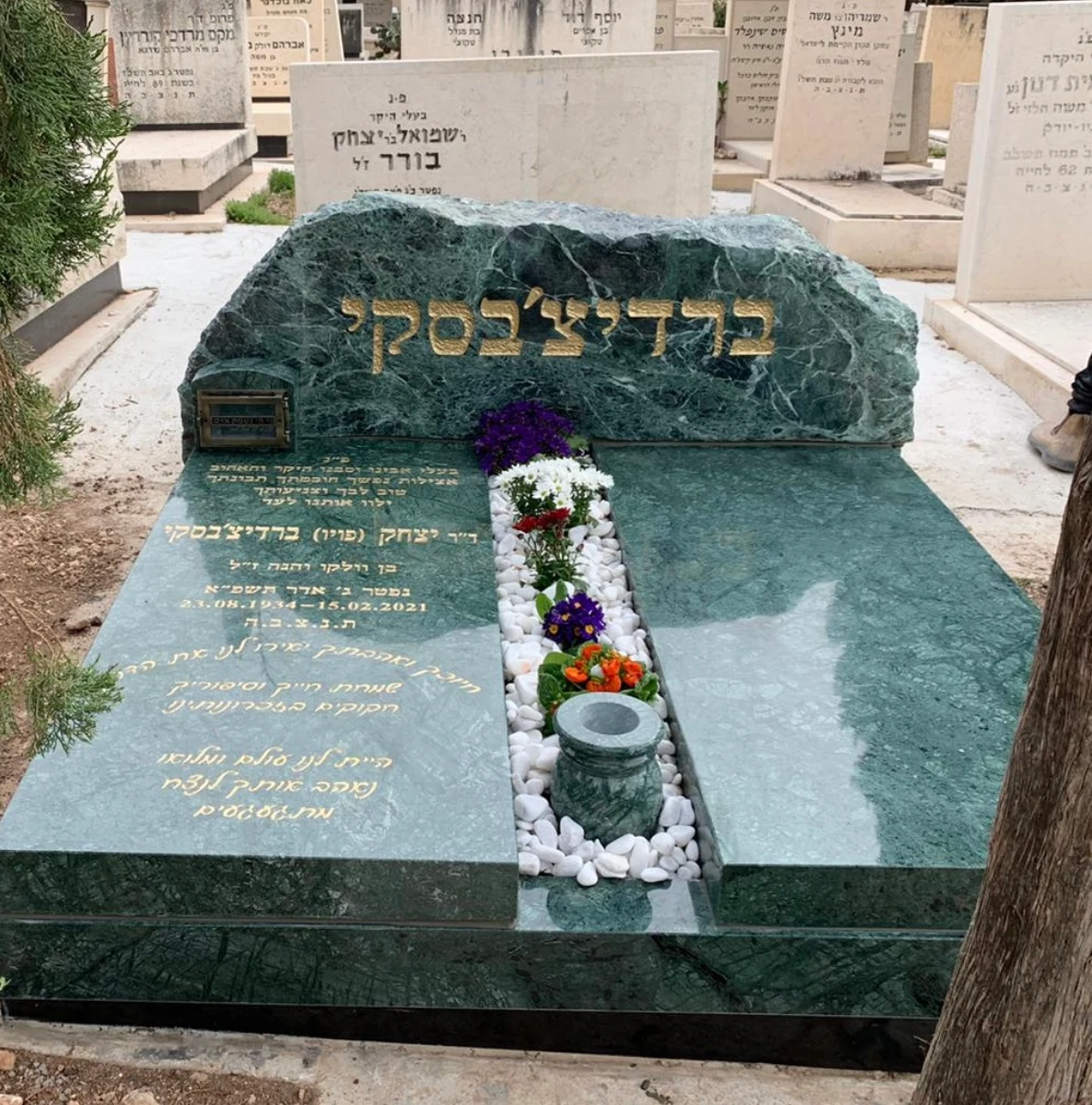
Rubi's granite range includes black, red, green and Orion Blue. The differences go beyond colour: fine grain or flowing patterns can play a major role in the design.
On strongly patterned stone, choose the inscription area before cutting. The name and wording should stand out clearly. Compare polished and other finishes, considering light and reflections. Dark colour alone does not ensure every engraving technique will look the same.
Hebron Stone, Halila, Turkish Marble and Thassos
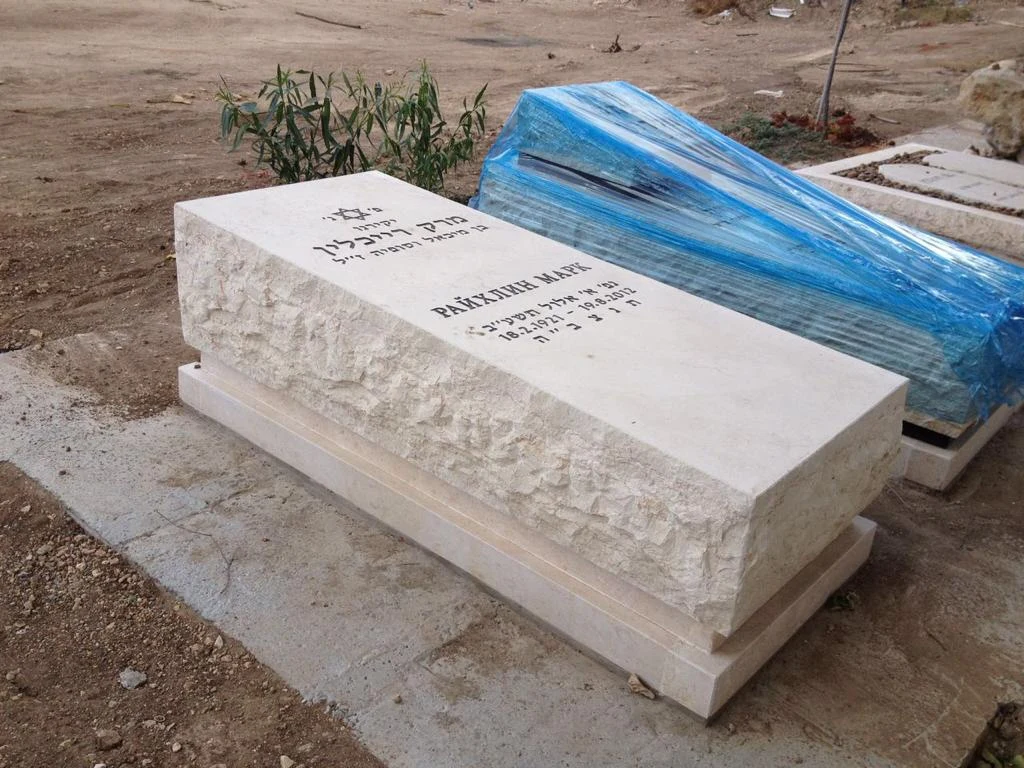
Light stones suit both clean geometry and sculpture. Options include Hebron stone, Halila, Turkish marble and white Thassos. Component thickness, finish and lettering must be designed for the actual material selected.
Compare warm and whiter tones, visible natural patterns and quieter surfaces. Natural variation means a photograph cannot be reproduced exactly. A calm inscription area can be combined with stronger patterning elsewhere.
Natural Boulders and Stone Blocks
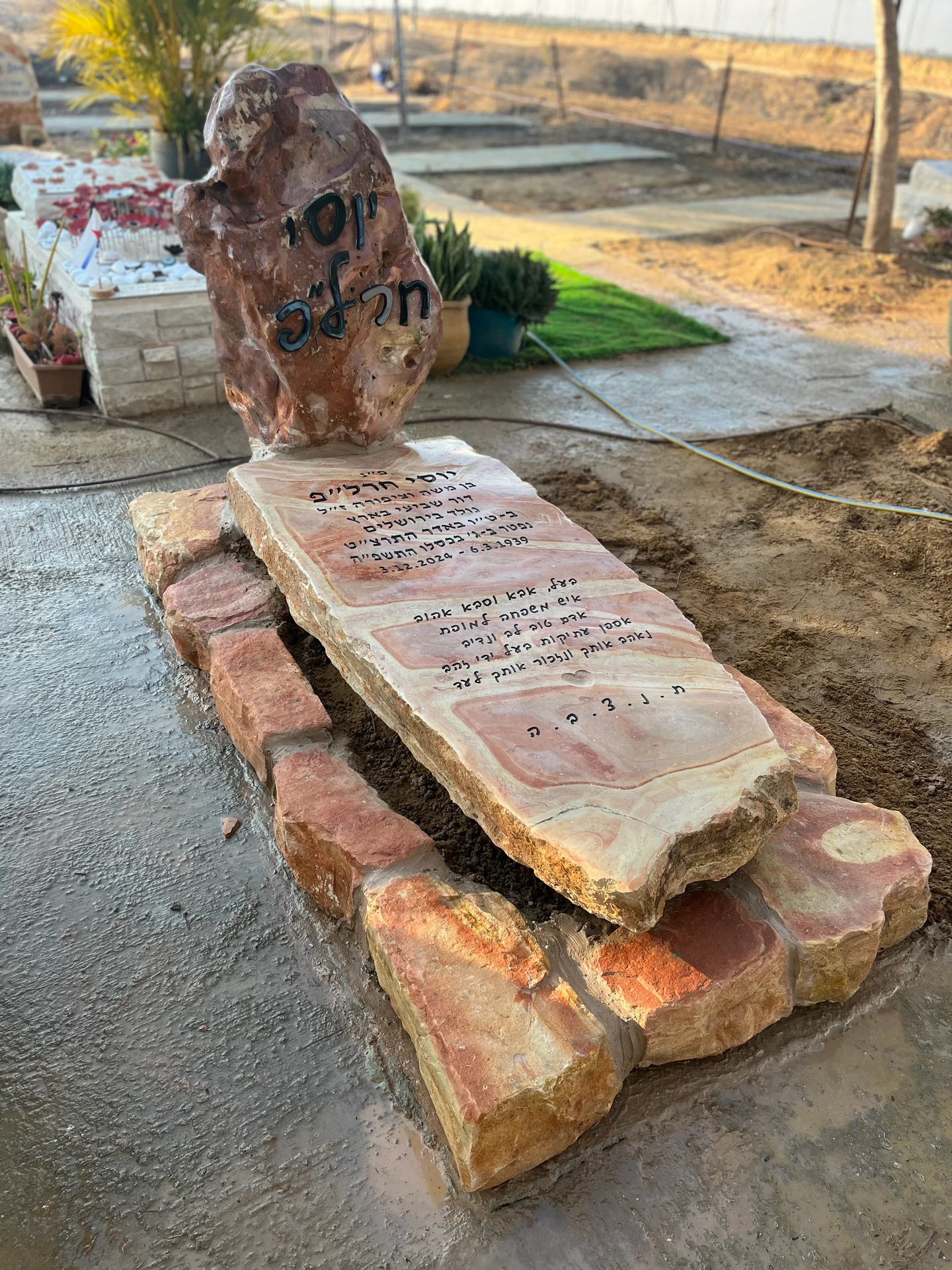
A boulder headstone incorporates the stone's original shape. Basalt, Slaib and other rocks offer different directions. Some designs retain the natural texture with a defined lettering area; others include a separate plaque where the design and cemetery rules allow it.
Choose from the actual boulder, checking its size, balance with the base and inscription space. A defined lettering surface can preserve both easy reading and a natural appearance.
Compare What Matters to You
| What should you check? | What should you ask to see? |
|---|---|
| Colour and pattern | The actual material under ordinary light |
| Readability | Sample letters and colour contrast on similar stone |
| Shape | A design sized for the plot |
| Care | Instructions for the specific stone and finish |
| Budget | A complete price including stonework and installation |
A distinctive stone does not demand a complicated design. Good surfaces, balanced proportions and clear lettering can be dignified on their own. At the workshop, compare how material, size or sculptural changes affect the price.
No single cleaning product suits every stone. Calcium-bearing stones are sensitive to acids; treatments must suit the material and finish. Request specific care instructions at handover rather than borrowing instructions for another household surface.
Have a question about your headstone?
Ask Rubi about stone, inscriptions and options, free and without obligation.
Related information
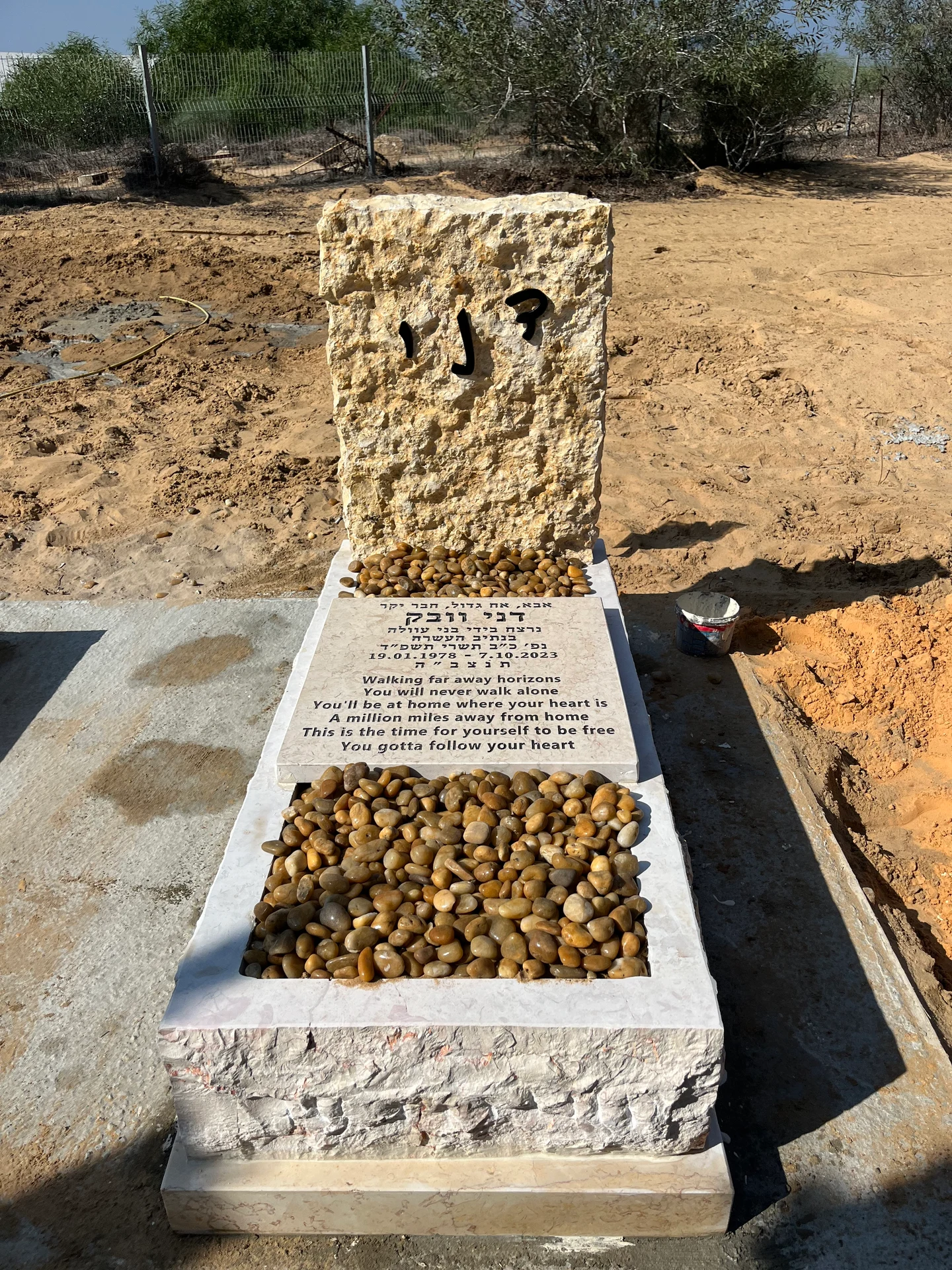
Natural-Stone Headstones: Choosing the Boulder, Texture and Inscription
Natural-stone headstones: rough and worked stone, choosing a specific block, inscription space, finishes and care, with examples.
Read the guide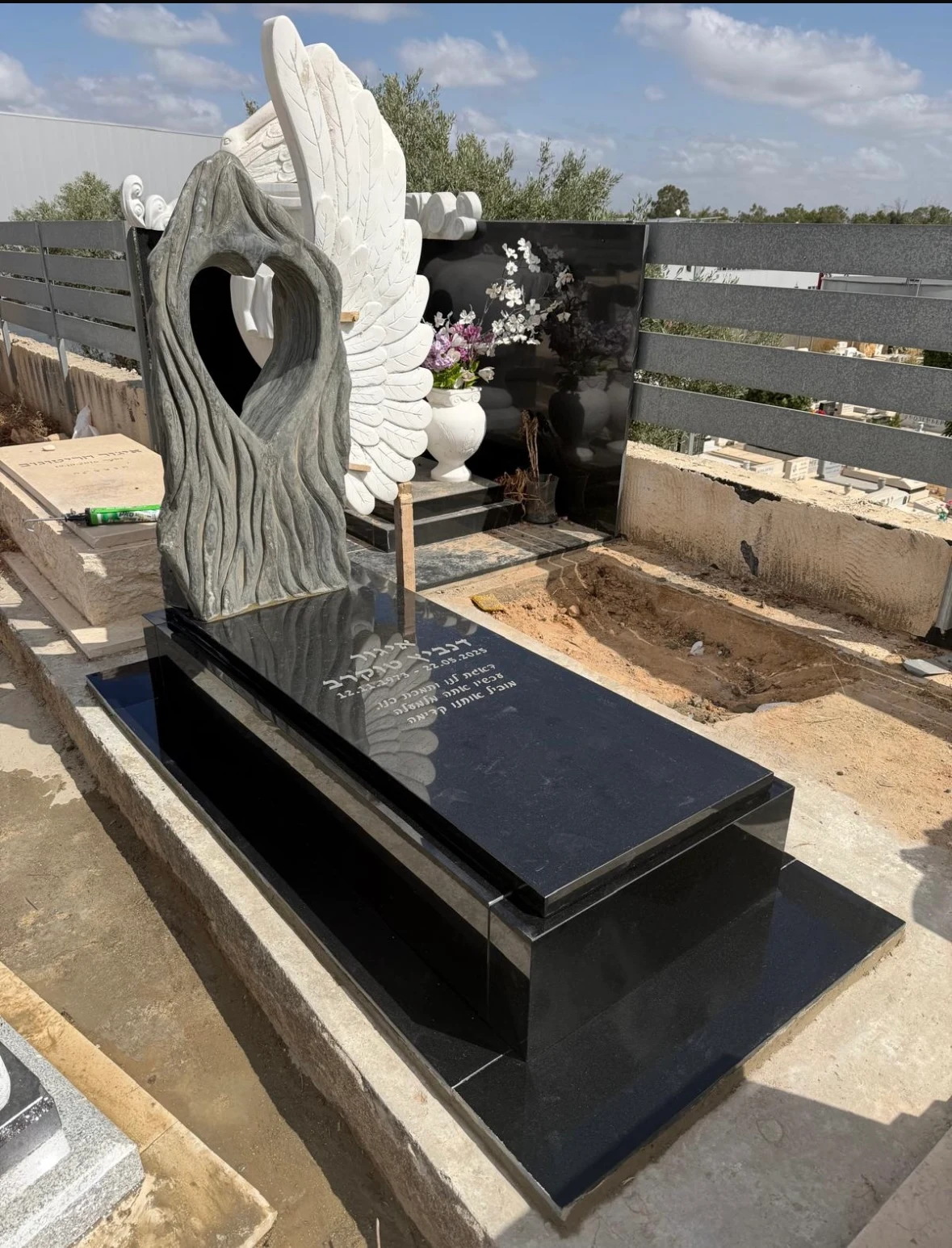
Granite Headstones: Colour, Finish and Legible Lettering
Black, red, green and other granite headstones: compare samples, select finishes and plan clear inscriptions. Photos and questions before ordering.
Read the guide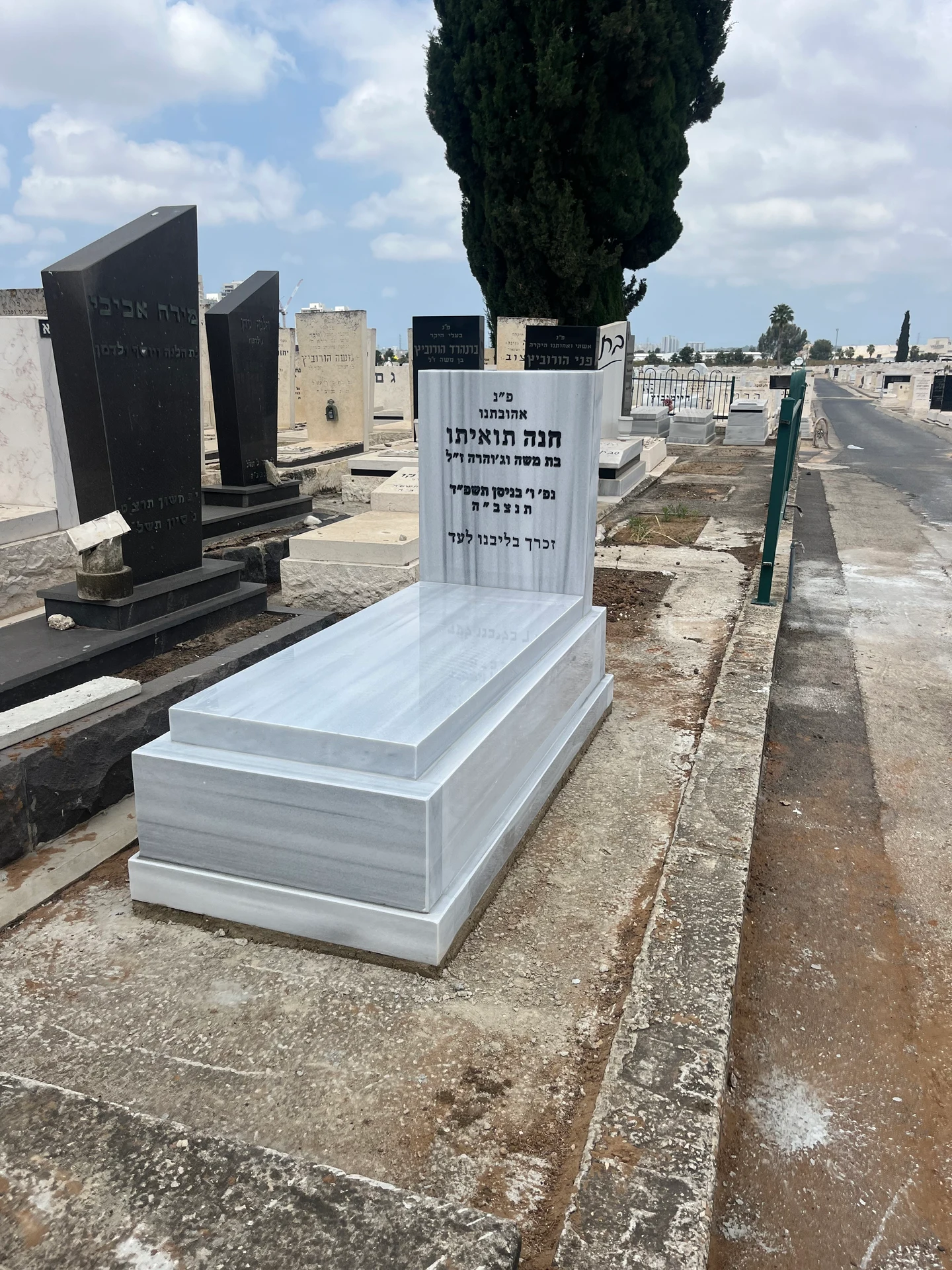
Headstone Prices: What Does a Headstone Cost, and What Is Included?
Headstone prices depend on stone, dimensions, inscriptions and installation. Learn to compare quotes, recognise extras and plan within your budget.
Read the guide