Natural-Stone Headstones: Choosing the Boulder, Texture and Inscription
With natural stone, you also choose the specific block. Two stones of the same family can take very different forms, so a photo is only the start.
Natural Stone Can Still Be Shaped and Finished
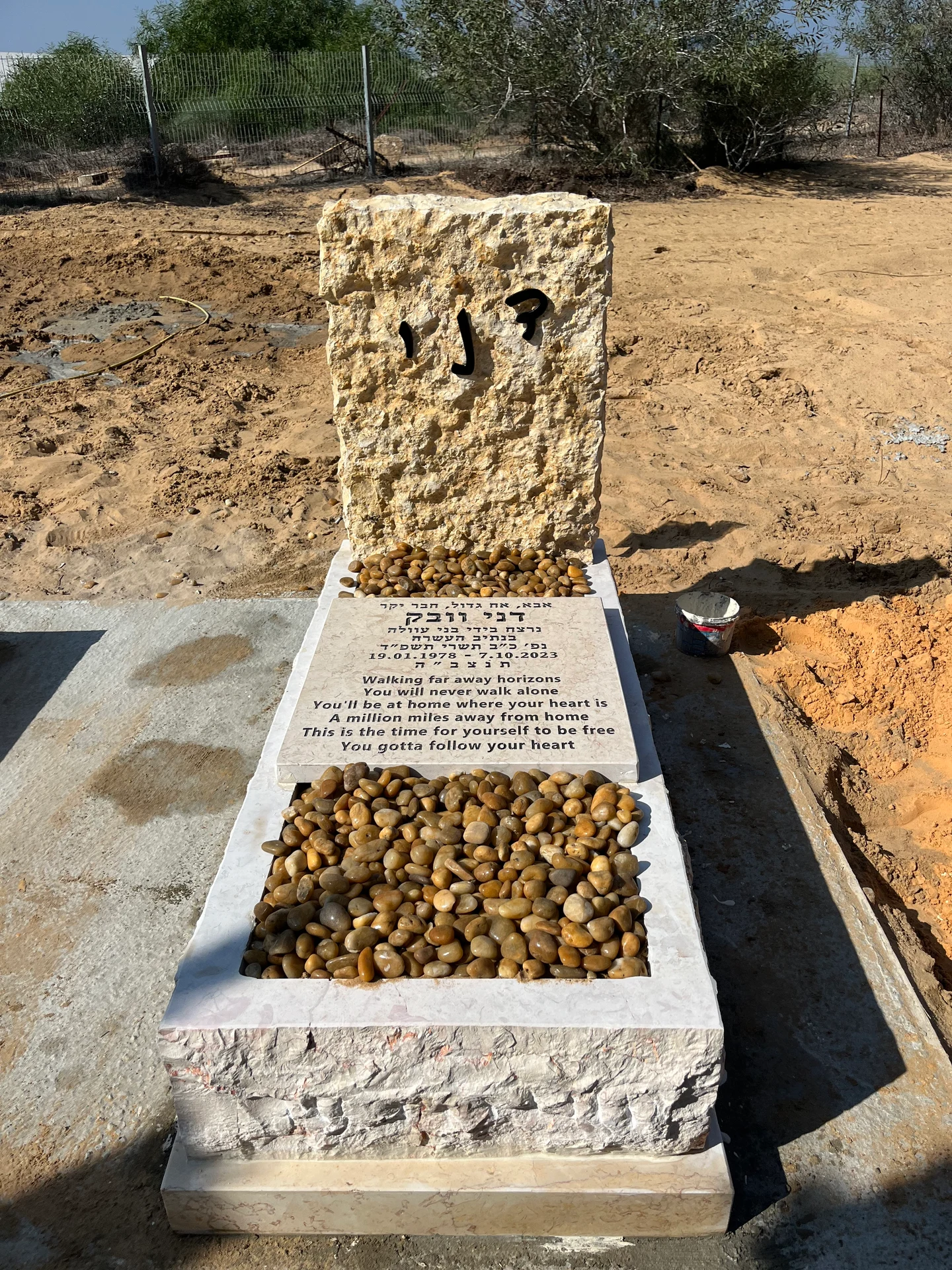
A cut, polished slab can still be natural stone: origin and processing are different things. Clarify whether “natural stone” means the material itself or the partly rough appearance of a boulder.
A natural-textured area can sit alongside a worked lettering surface, preserving character and readability. The actual block and available suitable surface determine the arrangement.
What to Check When Viewing Stone at the Workshop
Look from every side
Check the proportions and the side facing visitors. A front photograph does not show the depth or back of the stone.
Mark the inscription area
Lay out the name, dates and line at scale. Check for a narrow or overly patterned surface.
Check the finish
Ask which areas stay natural, which are worked and how the colour looks when dry.
Adapt it to the plot
Height, width, weight and base design are checked as part of fabrication and installation.
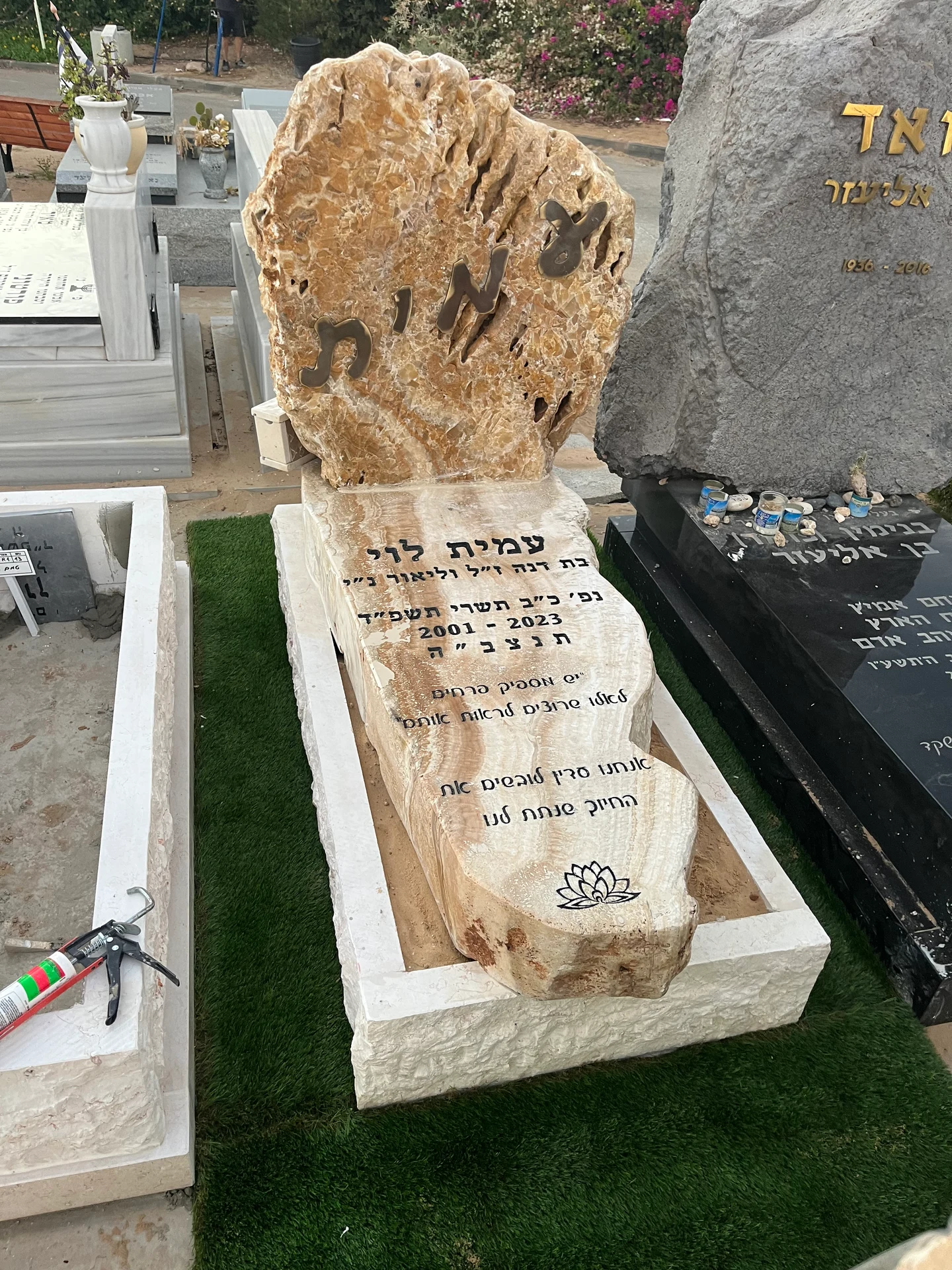
Colour and Veining Are Part of the Choice
A striking vein in a large block may run through the name after cutting. Plan stone orientation and lettering together. Mark any feature the design depends on in the selected material's record.
Not every natural line is a defect, and not every mark can be judged from a photo. Ask which features are characteristic and which need examination. Documentation sets expectations but cannot replace a professional suitability assessment.
How Does the Stone Work with the Overall Design?
A natural upright with a simple base
Contrasting textures emphasise the upright and help organise the surrounding surface.
A boulder that shapes the design
Design around the chosen stone rather than forcing another example onto it.
Natural stone with a separate inscription plaque
A separate plaque is possible, with carefully planned materials, connections and proportions.
What to Know about Care
Identify the stone before selecting a cleaner. The Natural Stone Institute notes that calcium-carbonate stones are acid-sensitive; colour or a general name is insufficient. Obtain advice for the actual stone and finish rather than defaulting to household descaler.
Dust, leaves and moisture also affect appearance. Ask how to clean gently and which work should not be attempted yourself. For damage or faded lettering, see the memorial restoration guide.
Have a question about your headstone?
Ask Rubi about stone, inscriptions and options, free and without obligation.
Related information
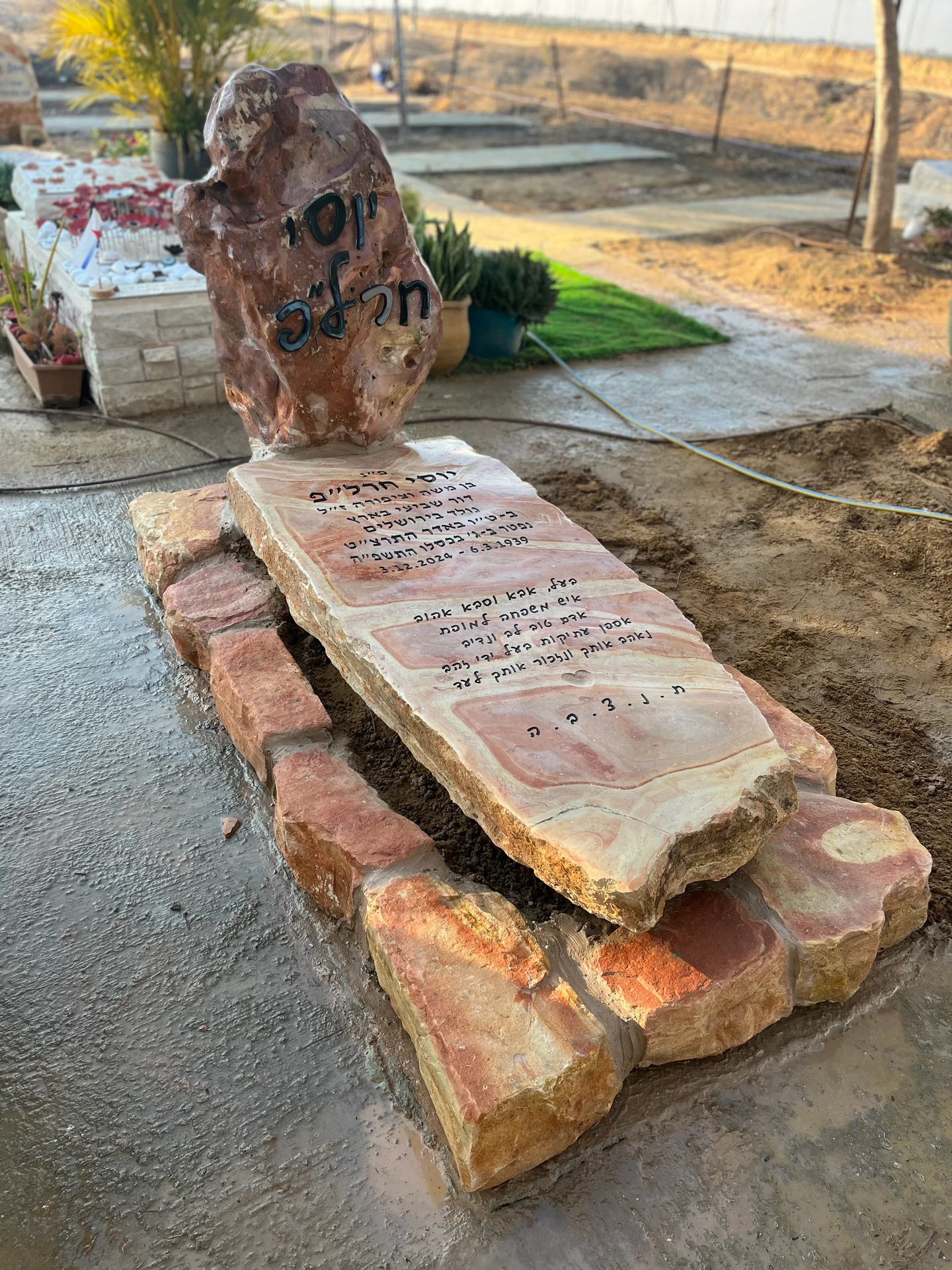
Stone for Headstones: What to Look for Before You Choose
Granite, Hebron limestone, Turkish marble, Thassos and natural boulders: a guide to material, finish and inscription choices.
Read the guide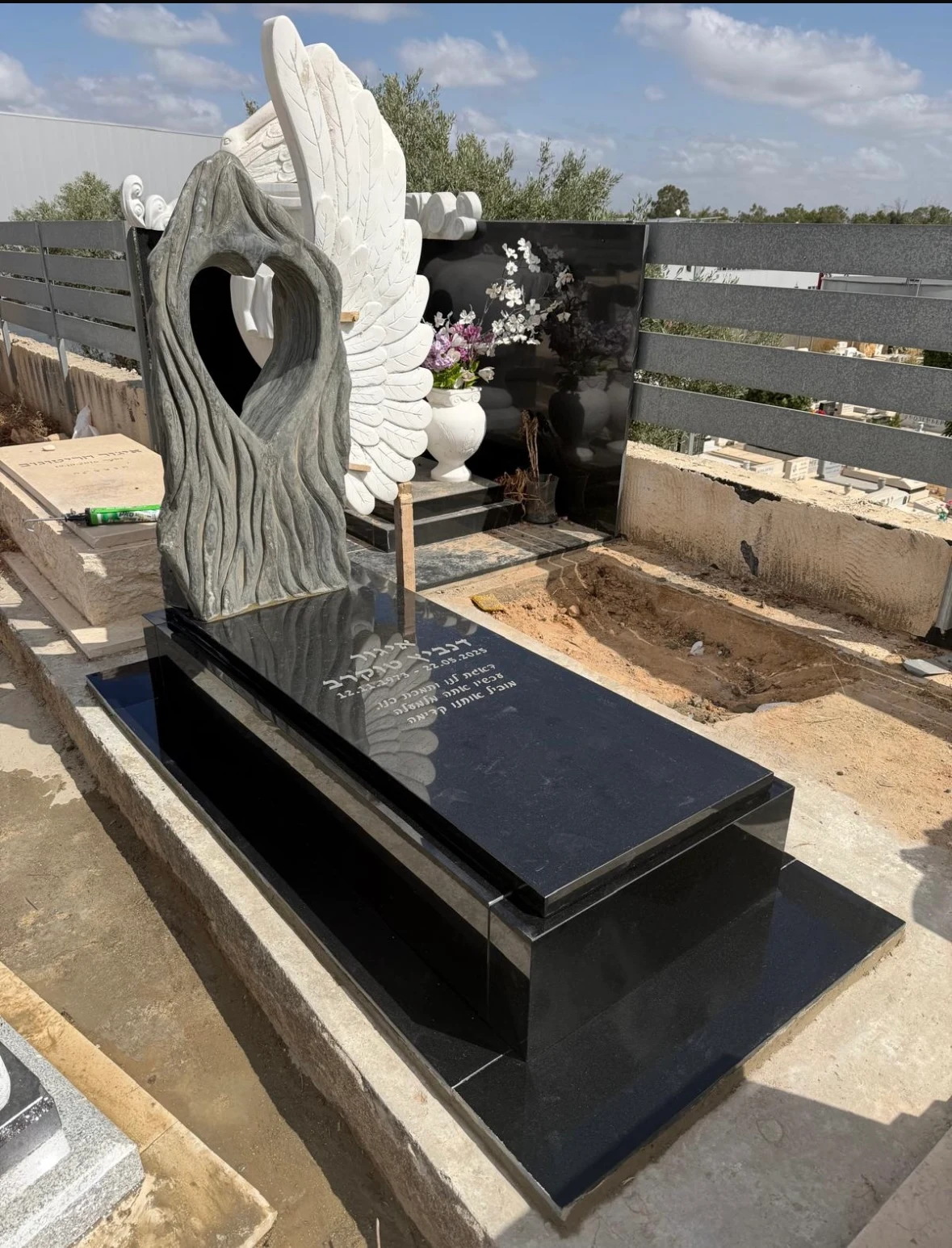
Granite Headstones: Colour, Finish and Legible Lettering
Black, red, green and other granite headstones: compare samples, select finishes and plan clear inscriptions. Photos and questions before ordering.
Read the guide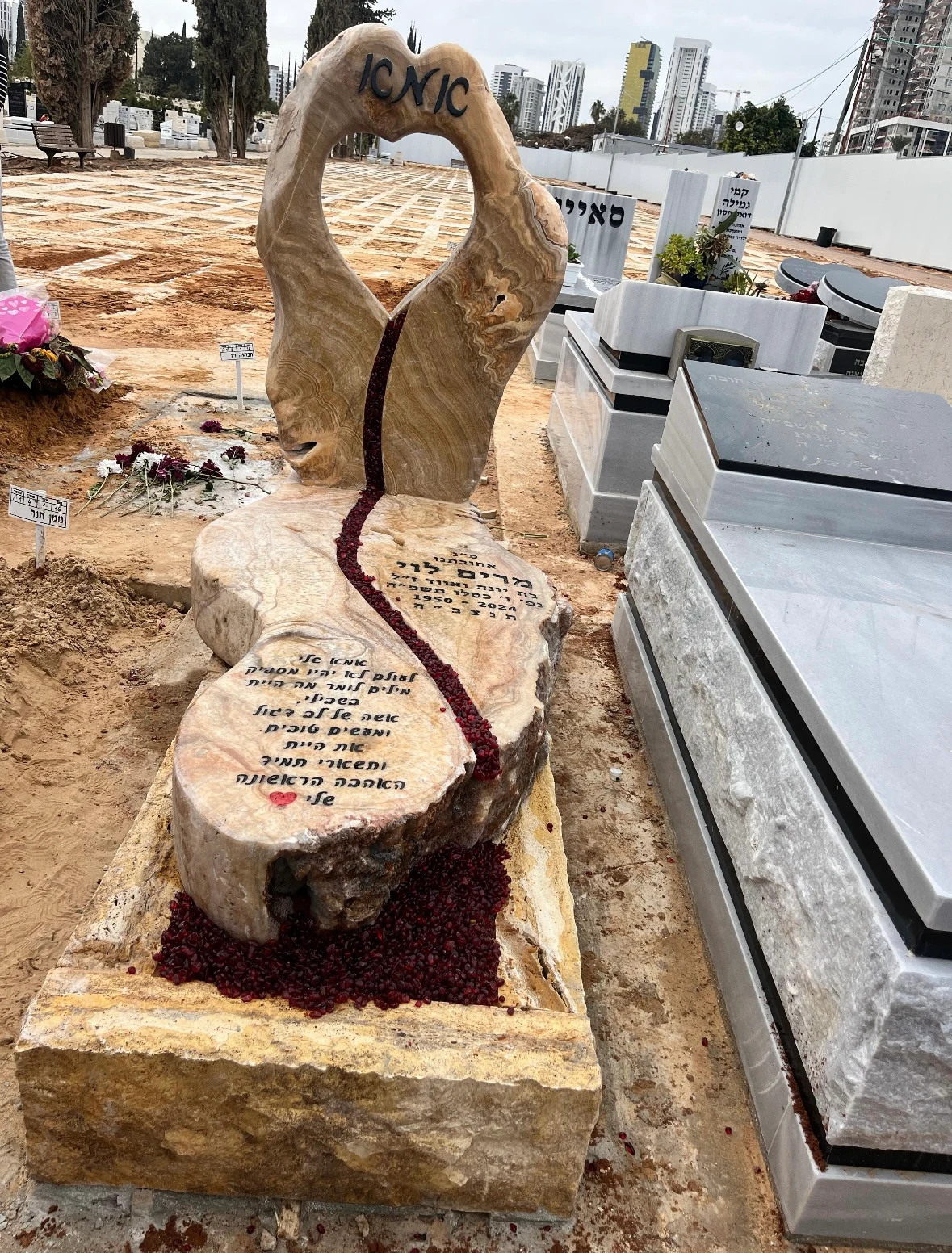
Bespoke Headstones: From a Personal Idea to a Work in Stone
Bespoke headstone design with examples from Rubi: develop an idea, combine sculpture and materials, preserve legibility and work within your budget.
Read the guide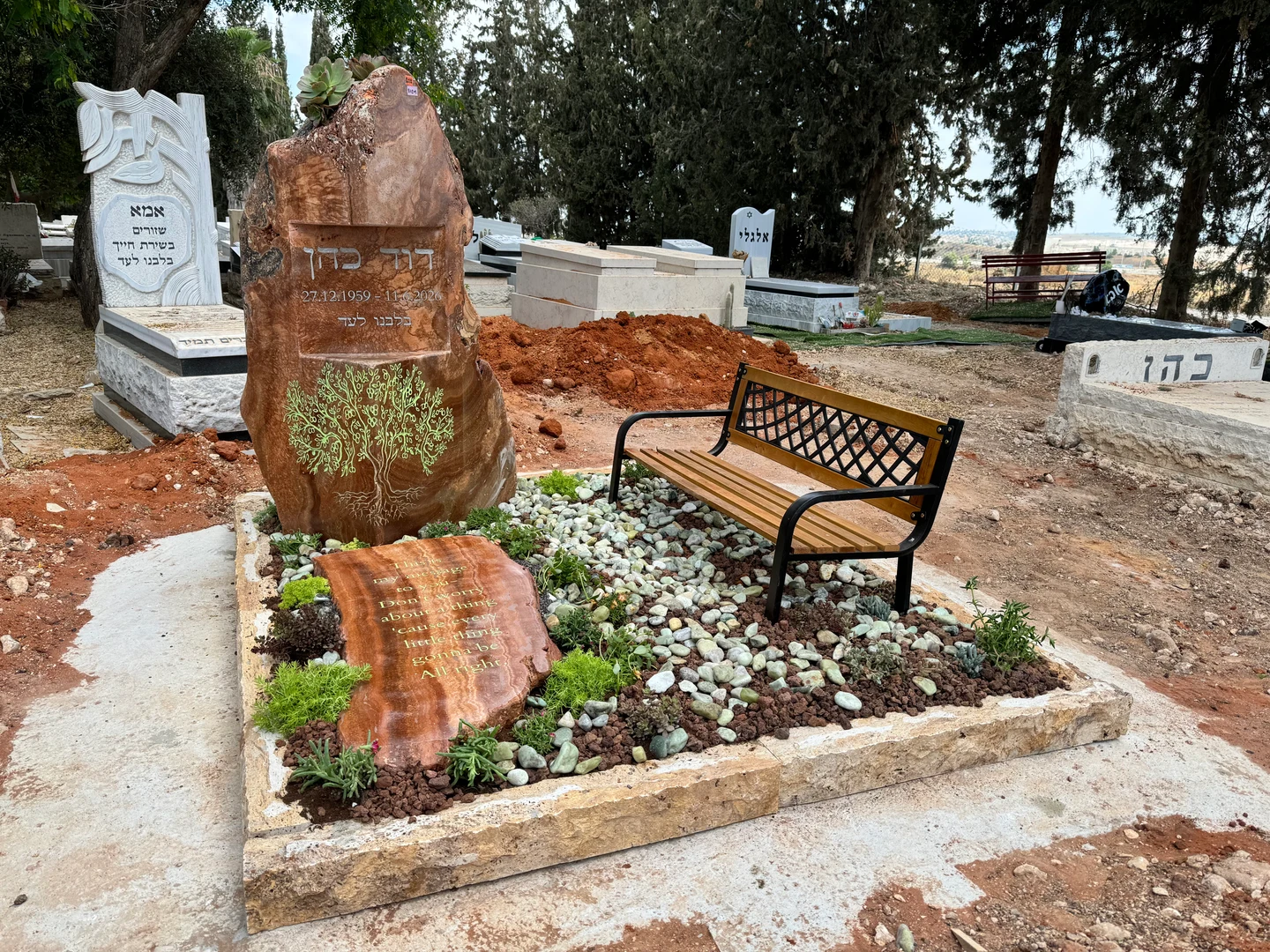
Headstones with a Garden: Plants, Pebbles and Seating for a Place of Remembrance
How do you plan a headstone with planting and seating? Explore planting areas, pebbles, benches, cemetery coordination and care, with three design scenarios and original photos.
Read the guide