Poetry on a Headstone: Choosing Lines and Planning the Layout
Sometimes a line of poetry immediately brings someone to mind. Before choosing it for stone, check that it makes sense without the surrounding verse or melody.
Does the Line Work on Its Own?
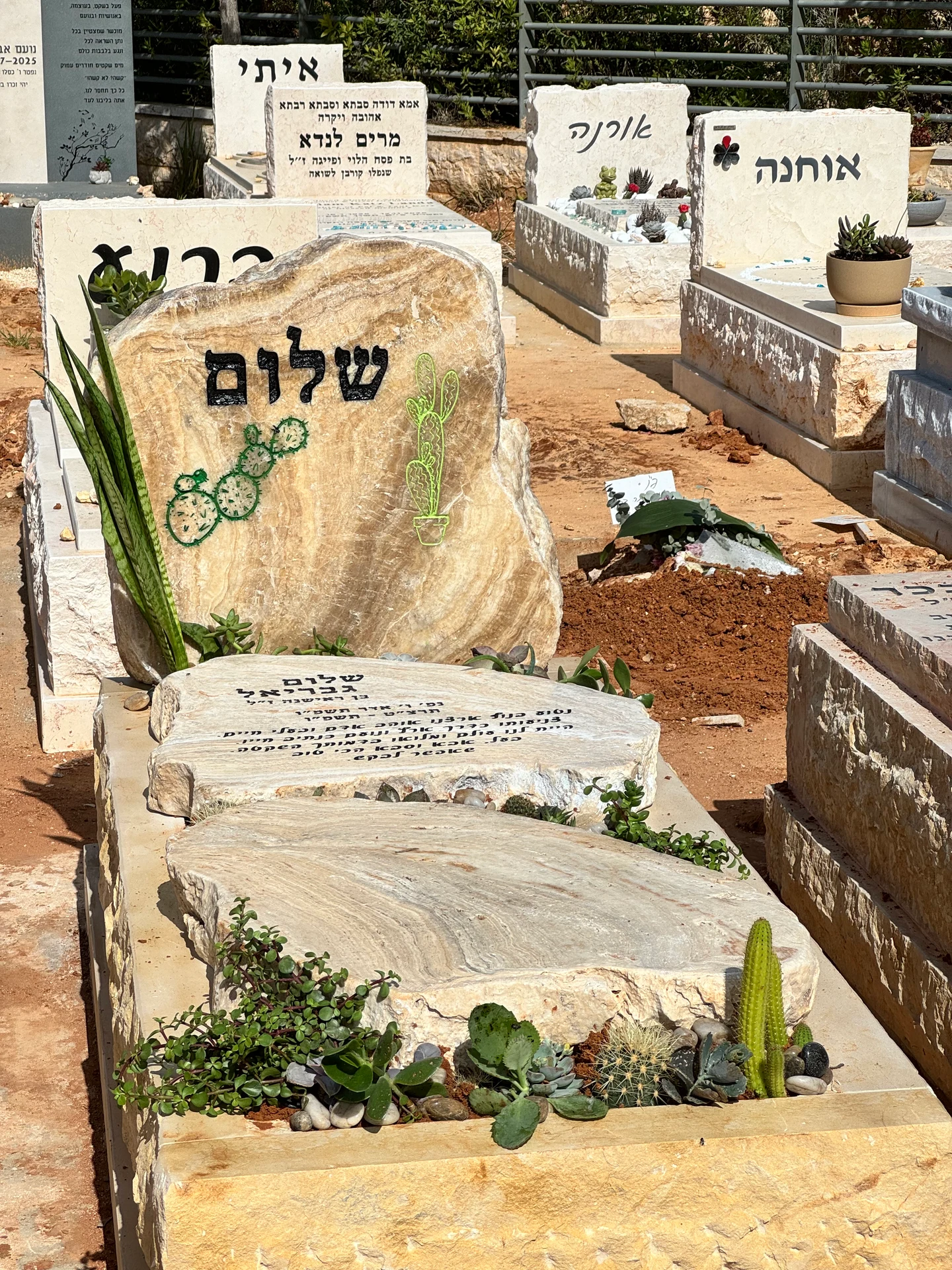
Read the passage without its title or explanation. Will a visitor understand it? A line about a temporary parting in a poem can take on a very different meaning on a memorial.
A short family line can accompany the passage, but avoid wording that needs lengthy explanation. The stone need not carry the whole poem. Choose the part that expresses your connection and what you wish to say.
Original Lines as a Starting Point
What remains
In every act of kindness
We find something of you
Closeness
Time changes our days
Love keeps a place for you
A shared path
Along the path you taught us to follow
We will carry your memory
Original wording examples to adapt to the person and family. Replace bracketed details before engraving.
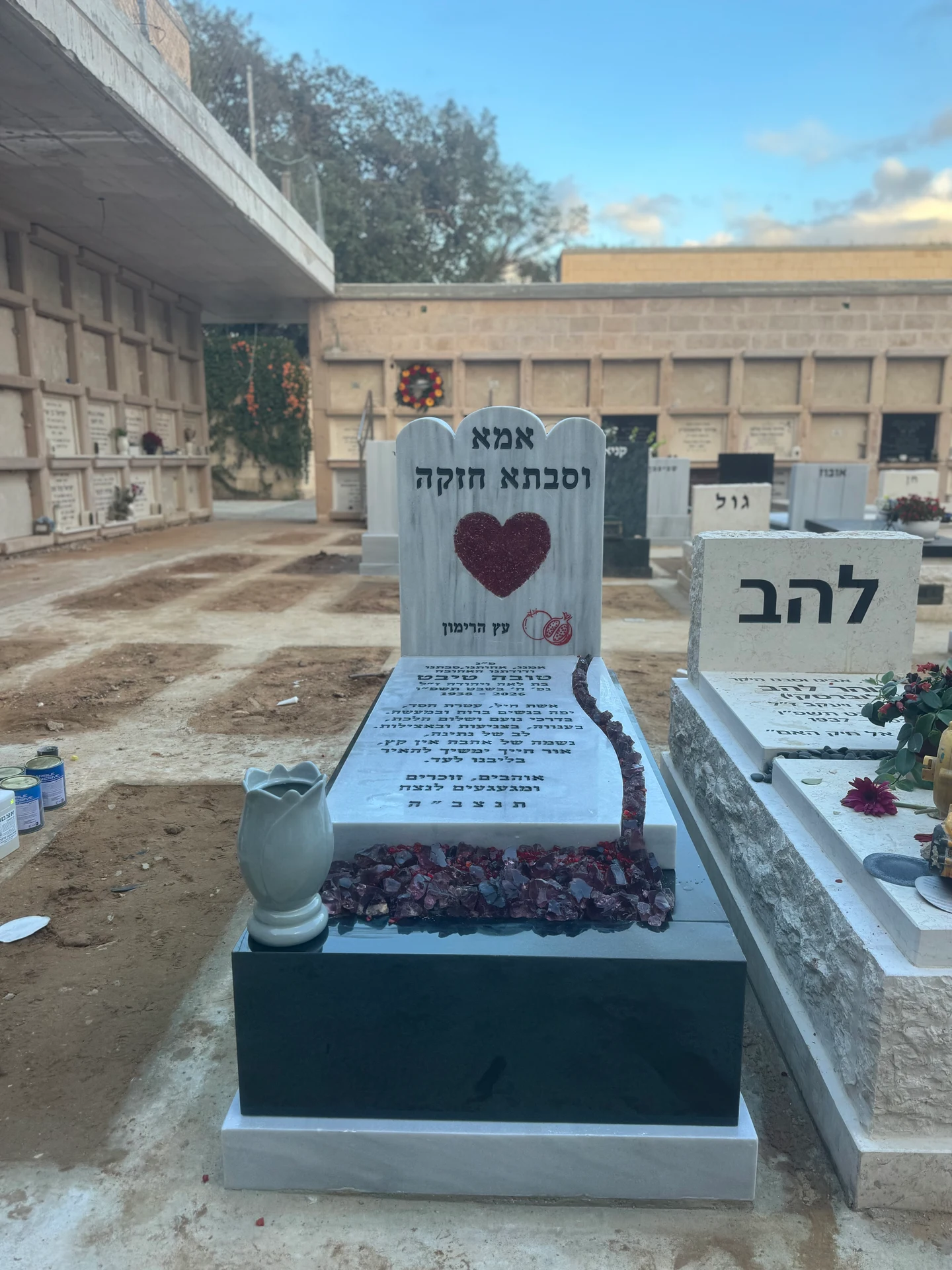
Preserving the Line Breaks
Line breaks are part of a poem's meaning. Mark which lines should remain separate. If the passage is too long, choose another or shorten it with appropriate permission rather than making letters unreadably small.
Two lines, one thought
In “In every act of kindness / we find something of you,” the break creates a pause. Keep the two lines together, without a date or ornament between them.
Short wording on a broad surface
Even if the words fit one line, you need not fill the plaque's width. Two centred short lines with generous margins may work better. Review them together with the name.
Check punctuation and Hebrew vowel points if included. Vowel marks need space and clear execution; not every font or size suits them. Review the layout close to the plaque's actual dimensions.
Using an Existing Work
- Find a reliable source rather than relying only on a forwarded image.
- Verify the author and exact text, including omissions or changes.
- Check permission before engraving; online publication does not itself authorise reuse.
- If permission is unclear, consult the rights holder or choose original wording.
The Family's Own Words May Be Enough
A famous poem is not necessary for a meaningful inscription. A family saying, brief memory or relative's own words may be just right. If using the deceased's words, confirm that the family agrees on the wording and its presentation.
Bring Rubi two alternatives to compare on the stone. The literary choice stays yours; design gives the words a readable, dignified place. Seethe guide to memorial phrases offers more short original wording, whilethe inscription guide explains lettering techniques.
Have a question about your headstone?
Ask Rubi about stone, inscriptions and options, free and without obligation.
Related information
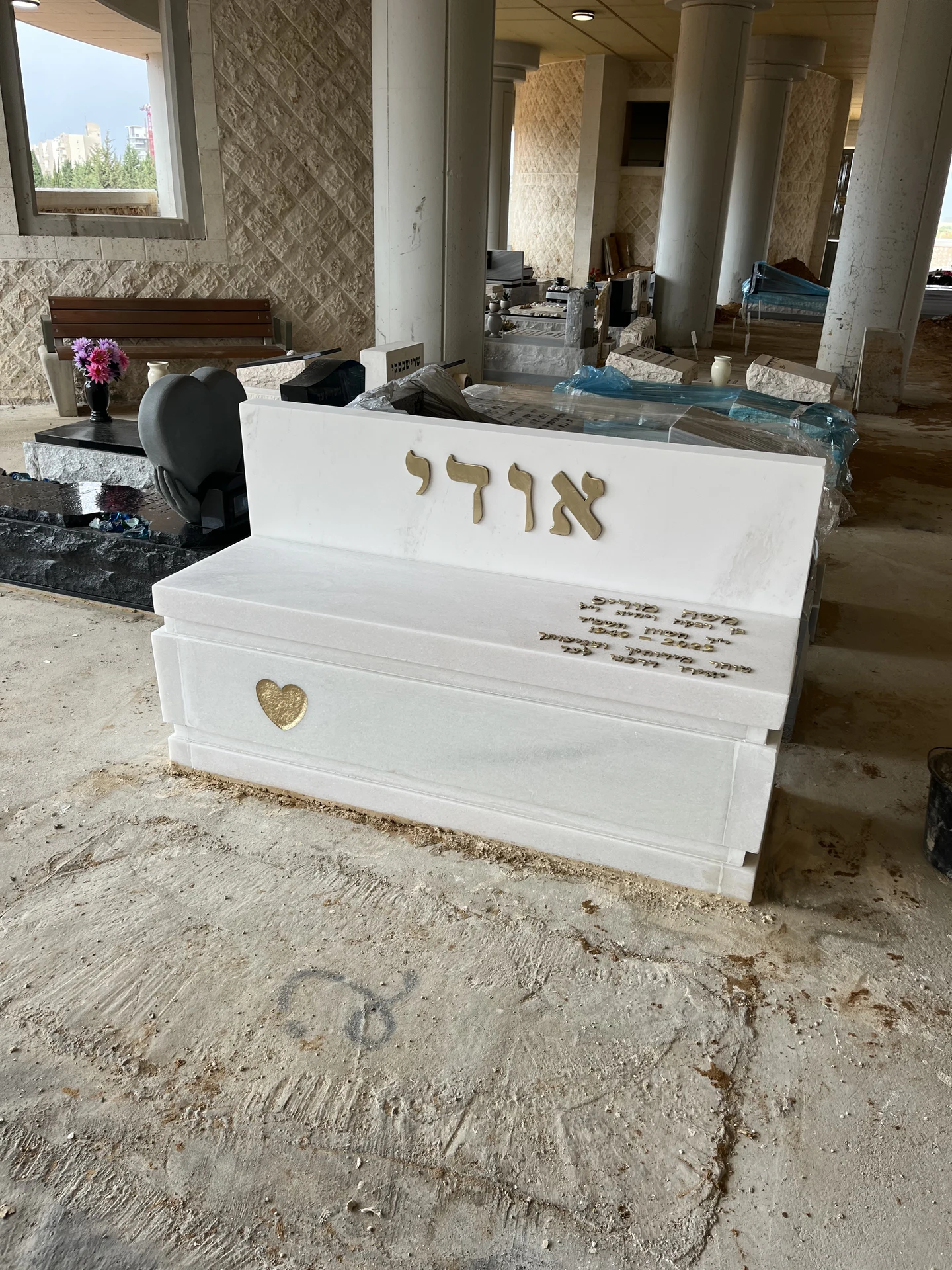
Words for a Headstone: Finding a Phrase That Feels Like Them
Original headstone phrases about love, generosity, home and a way of life. Choose personal words, shorten them and keep them legible.
Read the guide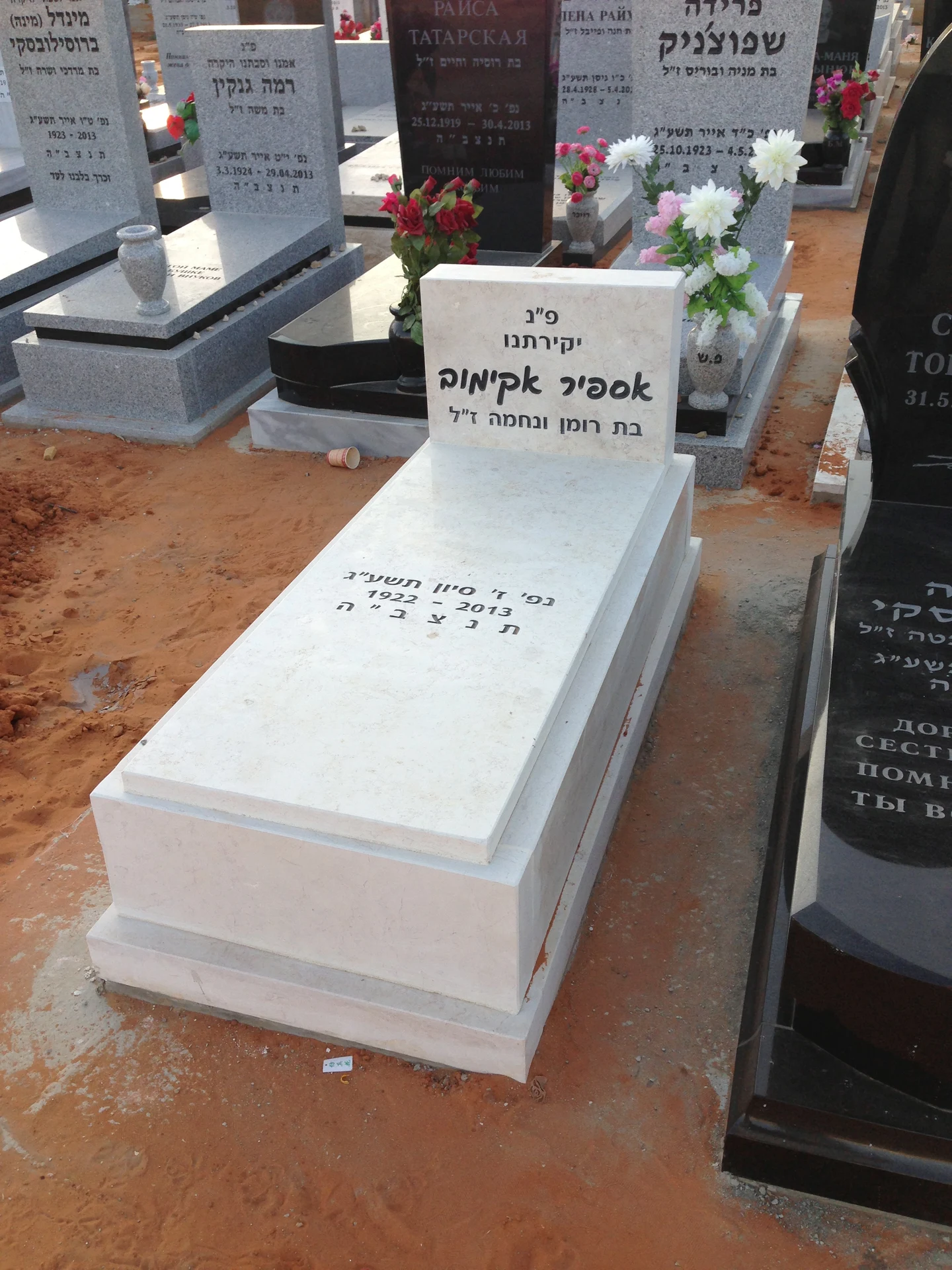
Headstone Inscription Examples: Short and Personal Words
Inscription examples for families: short, personal and shared wording for a couple, line layout and approving details before engraving.
Read the guide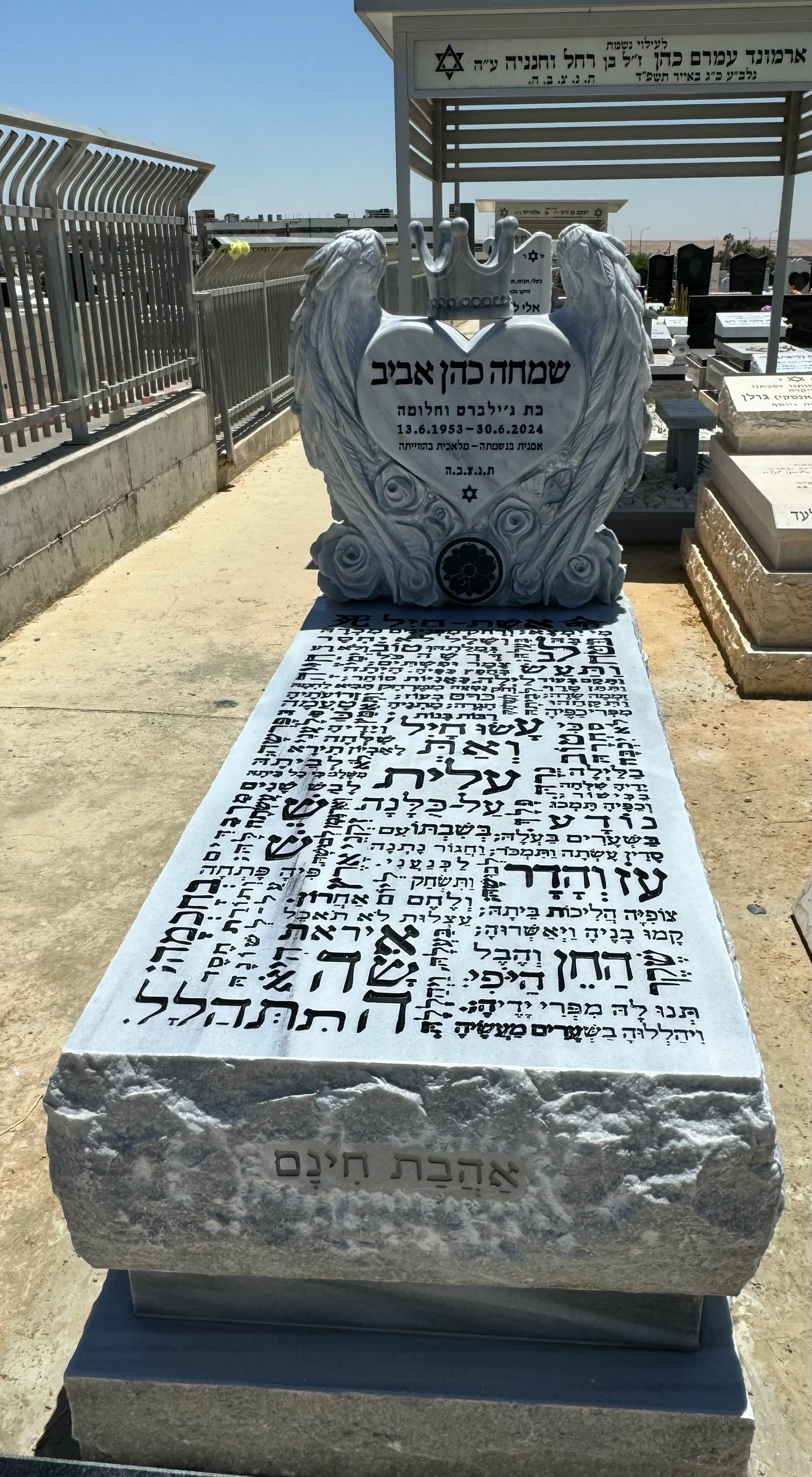
An Acrostic Inscription: Building a Tribute from a Name
Acrostic inscriptions: an original example, choosing personal lines and distinguishing an engraved acrostic from psalms read at a memorial service.
Read the guide