Bespoke Headstones: From a Personal Idea to a Work in Stone
A distinctive headstone starts with a detail that recalls the person. It may be a striking sculpture, a quiet line in the stone or something they often said. Its meaning matters more than its size.
Three Approaches to Headstone Design
A personal shape
A heart, book, curve or hobby-inspired shape. Start with the silhouette and the proportions of upright and base before choosing decoration.
Stone with character
A boulder, distinctive colour or contrast between light and dark stone can create a personal design without sculpture.
One focused detail
Engraved handwriting, a sculpted detail or an unusual inscription area. Leave space around it so its meaning remains clear.
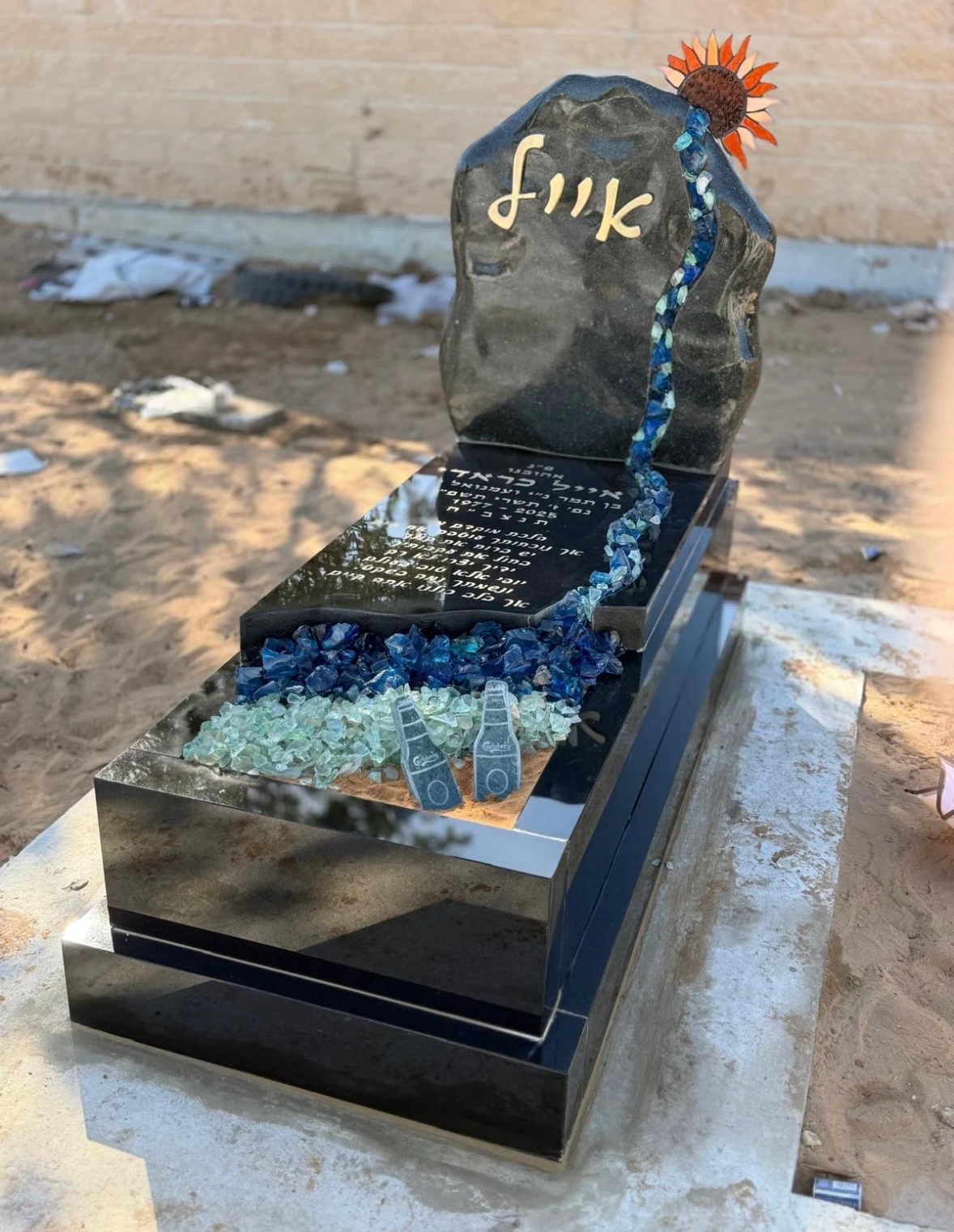
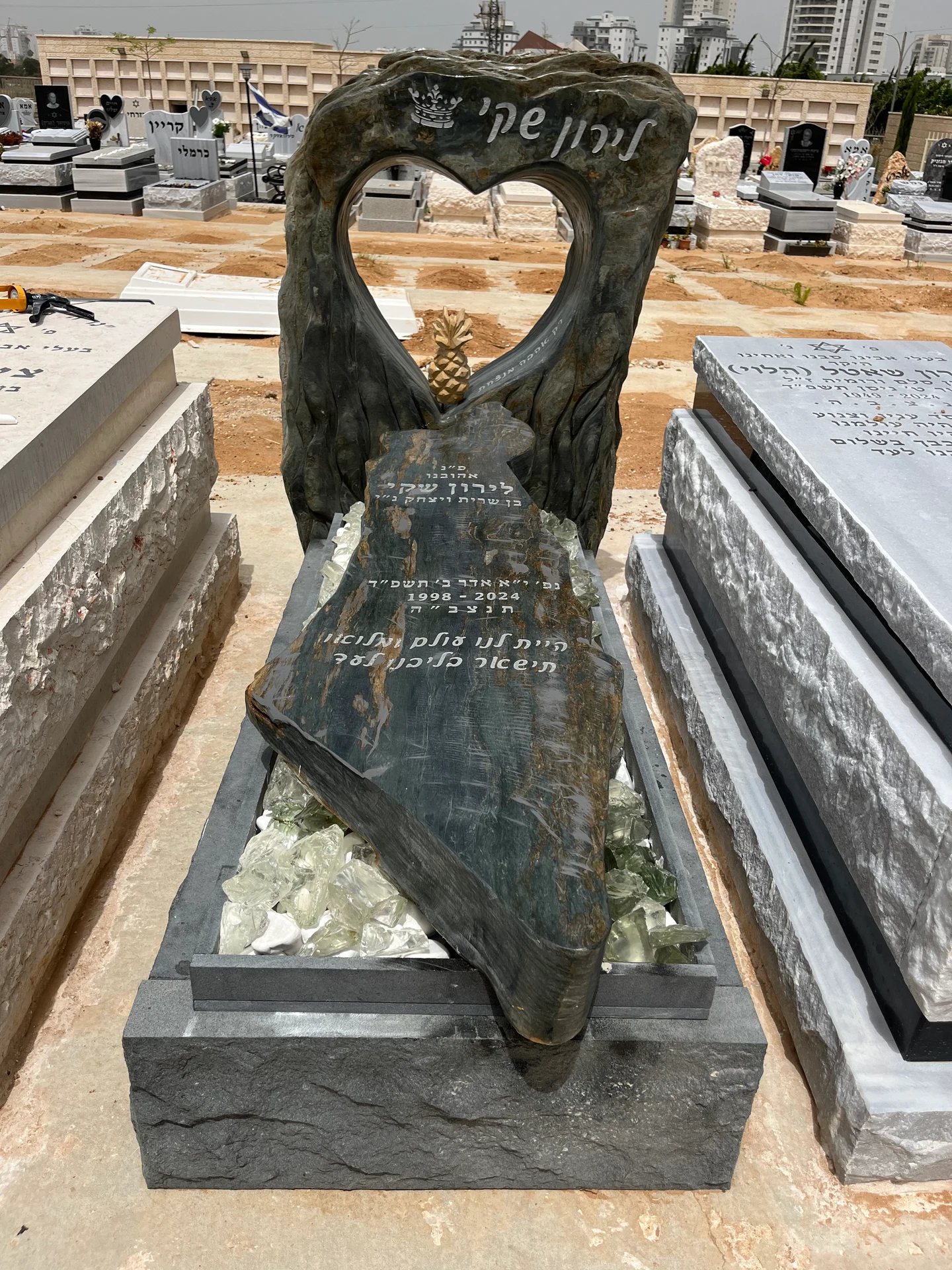
Using a Photograph as Inspiration
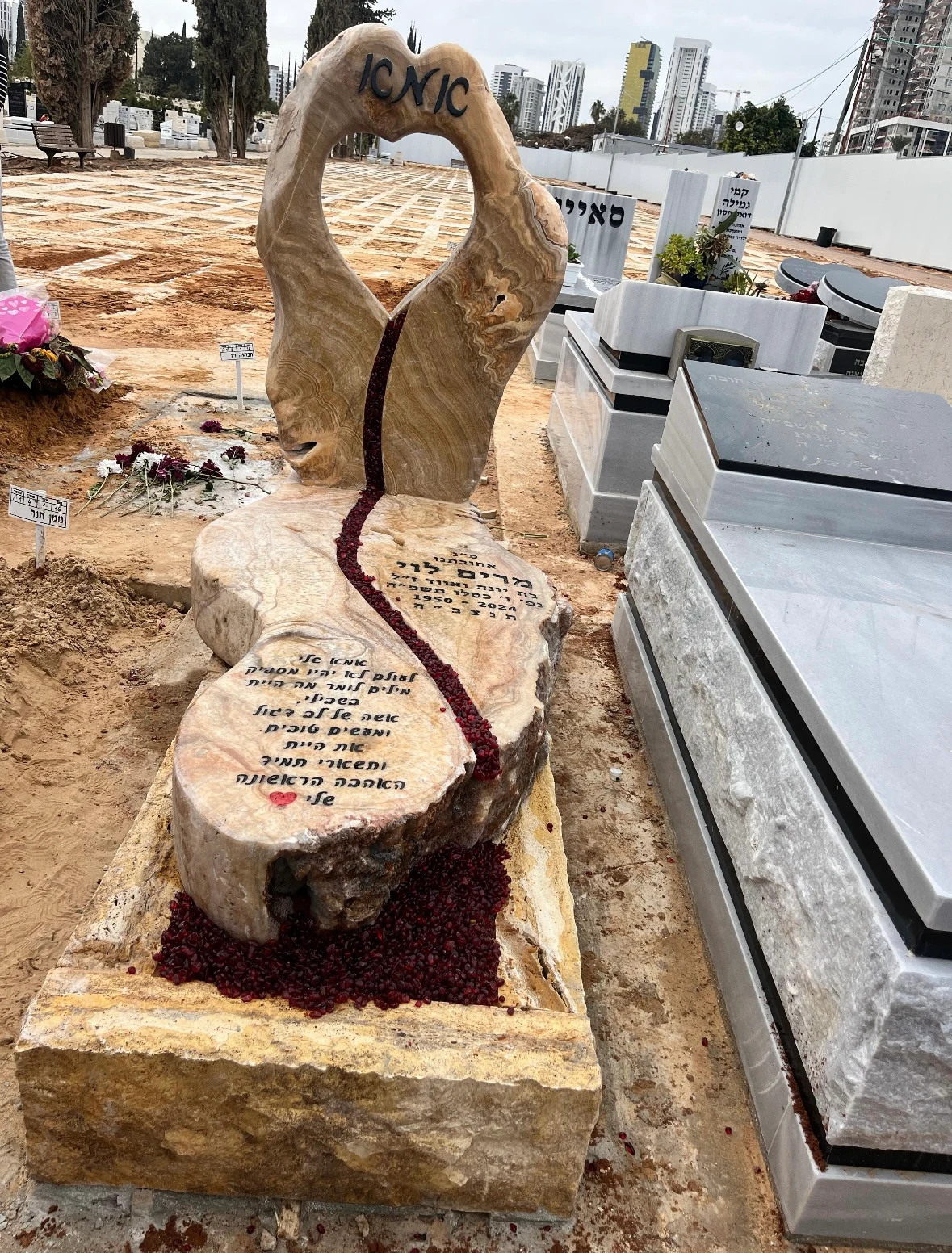
You can send a memorial photograph or an object that says something about the person. Explain whether the important feature is its movement, colour or meaning. This helps determine whether sculpture, engraving or another approach is appropriate.
A carved opening, curved line or coloured detail can give stone a distinctive character. These examples show personal expression, not a requirement for elaborate work. A small change can be just as meaningful when connected to the family's memories.
What to Check before Settling on a Sketch
| Decision | Practical question |
|---|---|
| Height and shape | Does the design fit the permitted plot dimensions? |
| Mixed materials | How are stone, glass or metal connected, and what care will they need? |
| Lettering | Do names and dates remain clear beside the artistic feature? |
| Installation | How will the work be transported and installed, and who coordinates access? |
| Budget | Which elements are essential to the idea, and which additions can be simplified? |
A Beautiful Headstone Can Be Simple
Choose what leads the design and what supports it. Richly coloured and textured stone may need only simple lettering; a sculptural upright can work with a quiet base. If every part competes for attention, the headstone loses its unity.
Review the drawing both close up and from a distance. Details that look clear in an enlarged image may not read well on site. Ask to see the layout at the intended proportions, not just a drawing without scale.
What to Approve before Production
Direction
One story or personal detail, with examples explaining the style.
Design
Material, dimensions, wording and special features. Record every change in the updated version.
Agreed scope
The quote, inclusions, completion date and warranty terms for this specific work.
Making Room for Your Preferences
You do not need a finished design before visiting. Rubi can develop an initial direction into something you can assess. Mention what you dislike as well—high gloss, excessive height, strong colours or many ornaments. This is as useful as a favourite photograph.
Browse by material in the bespoke headstone catalogue. If you are unsure what suits the plot, start withheadstone types before narrowing the design options.
Have a question about your headstone?
Ask Rubi about stone, inscriptions and options, free and without obligation.
Related information
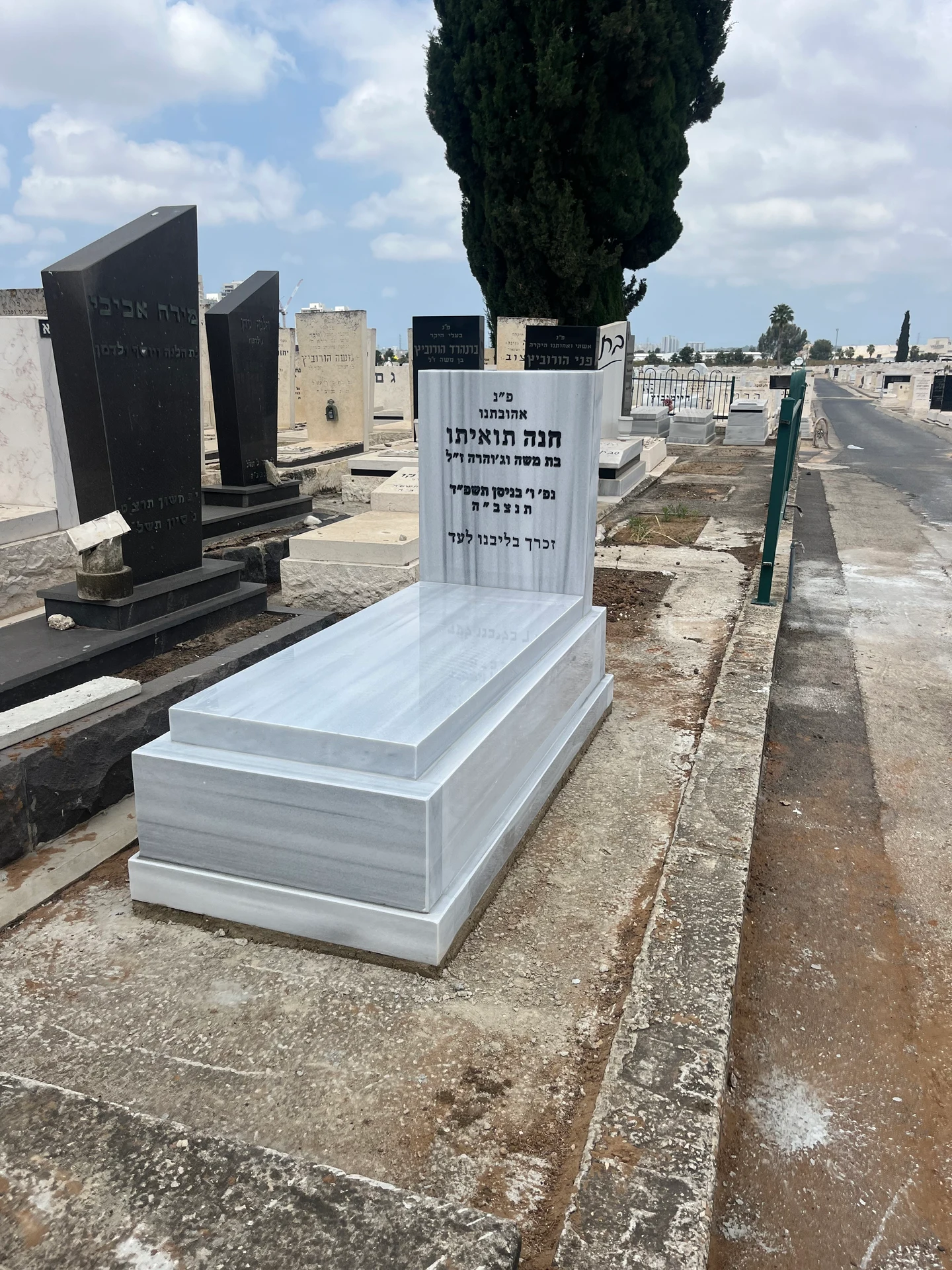
Headstone Prices: What Does a Headstone Cost, and What Is Included?
Headstone prices depend on stone, dimensions, inscriptions and installation. Learn to compare quotes, recognise extras and plan within your budget.
Read the guide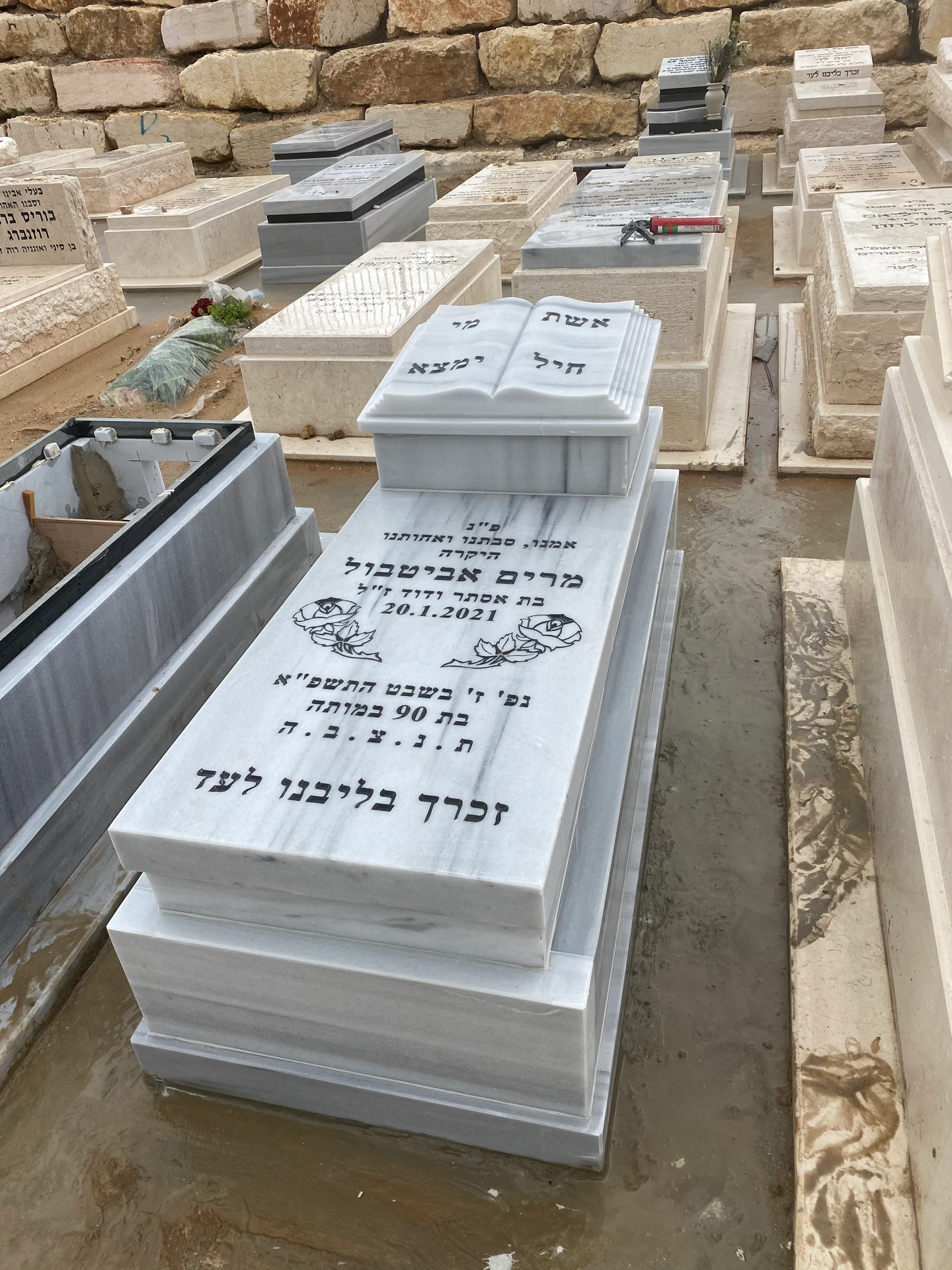
Headstone Inscriptions: Choosing and Approving the Words
What should a headstone say? Wording, names, dates, engraving and line layout, with examples for mothers, fathers and personal tributes.
Read the guide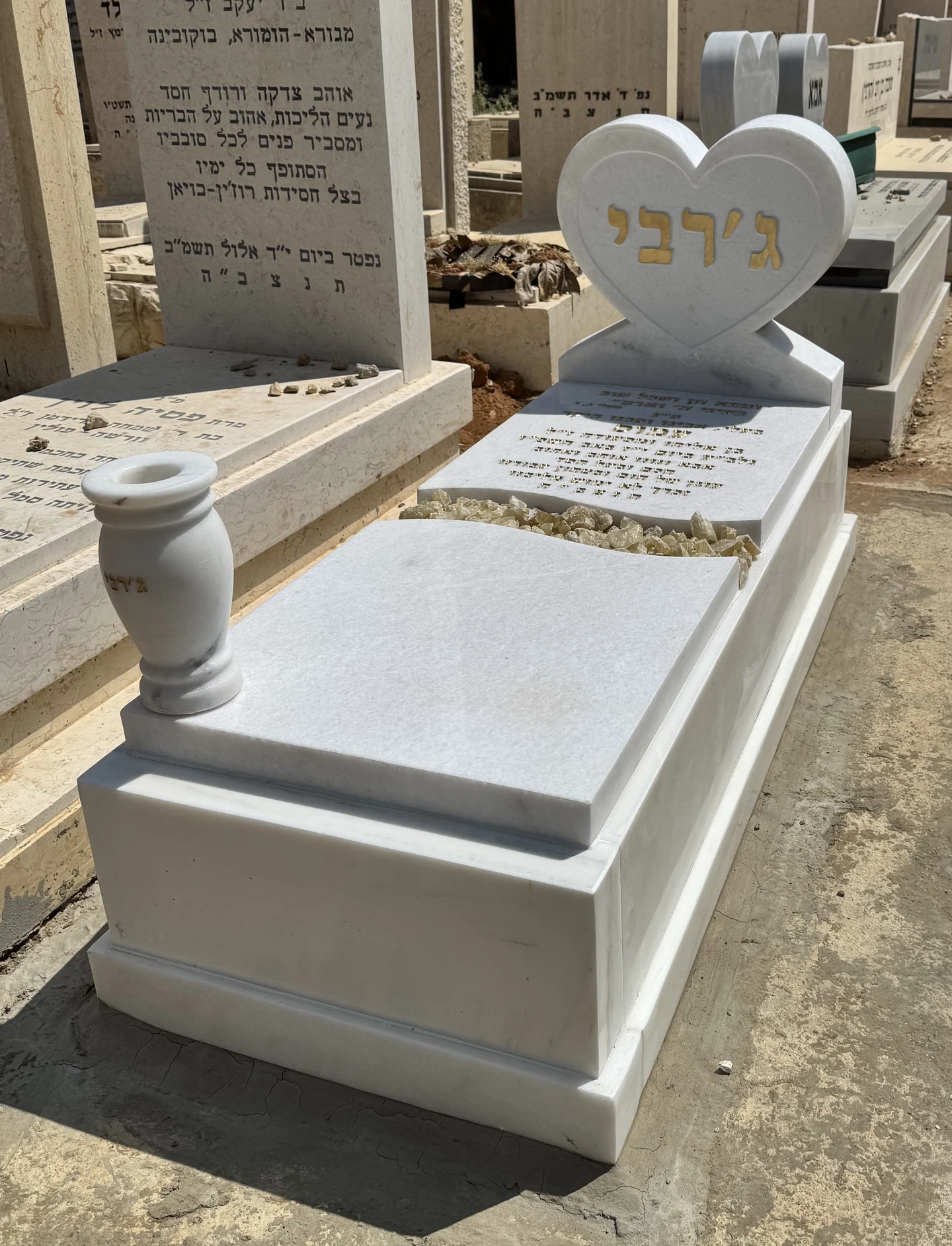
How to Choose a Headstone: A Step-by-Step Guide for Families
Stone, design, budget and installation: what to check before ordering and how to make a clear decision.
Read the guide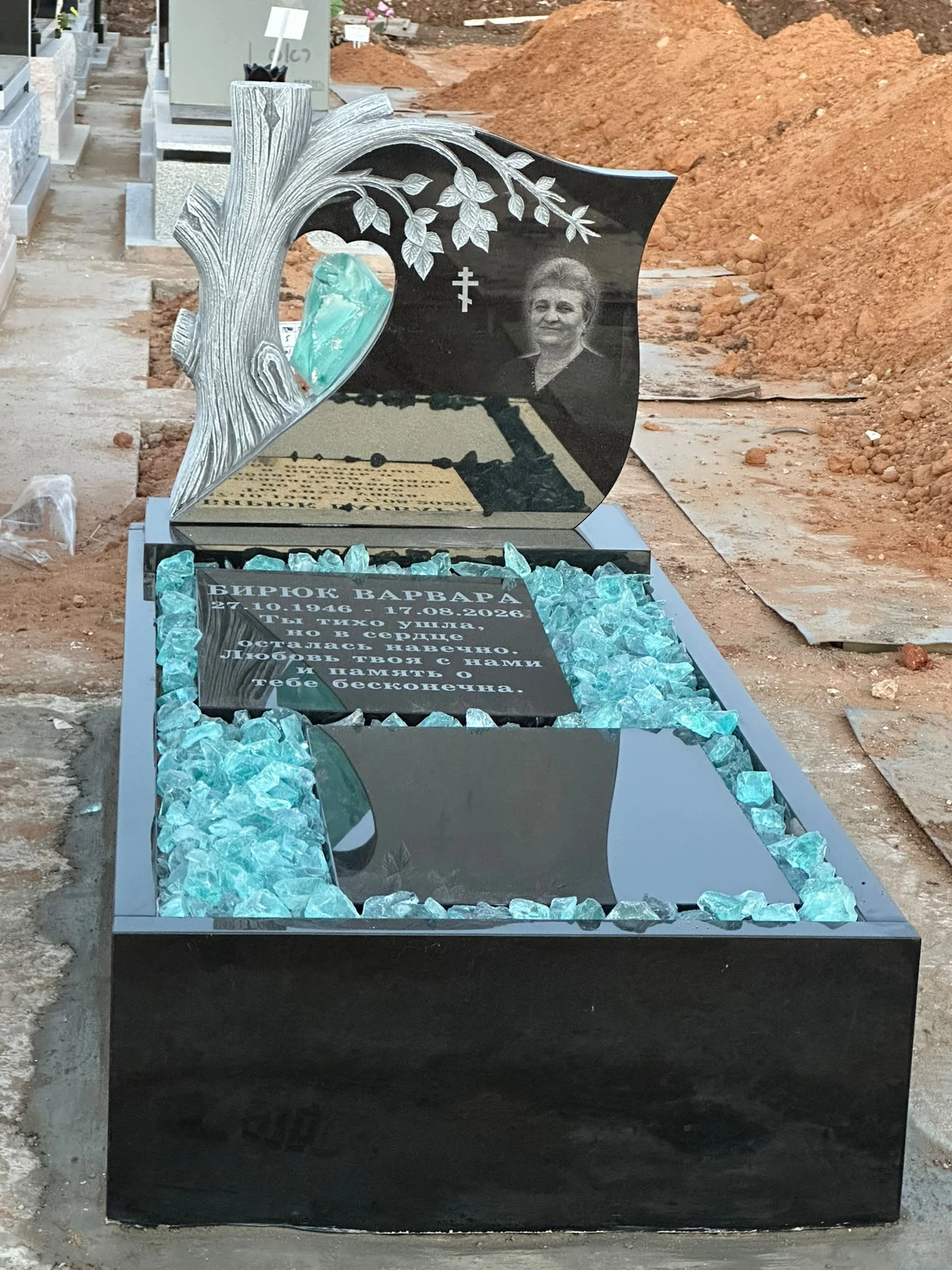
A Portrait on a Headstone: Choosing a Photograph for Engraving, Glass or Ceramic
Choosing a portrait for a headstone: source-photo quality, cropping without losing likeness, engraving, glass and ceramic options, placement and approval before production.
Read the guide