
Headstones with a Garden: Plants, Pebbles and Seating for a Place of Remembrance
A headstone can also be a place to spend time. Combining stone, plants and pebbles means thinking about light, water and care, as well as the people who will visit, sit and remember.
Contents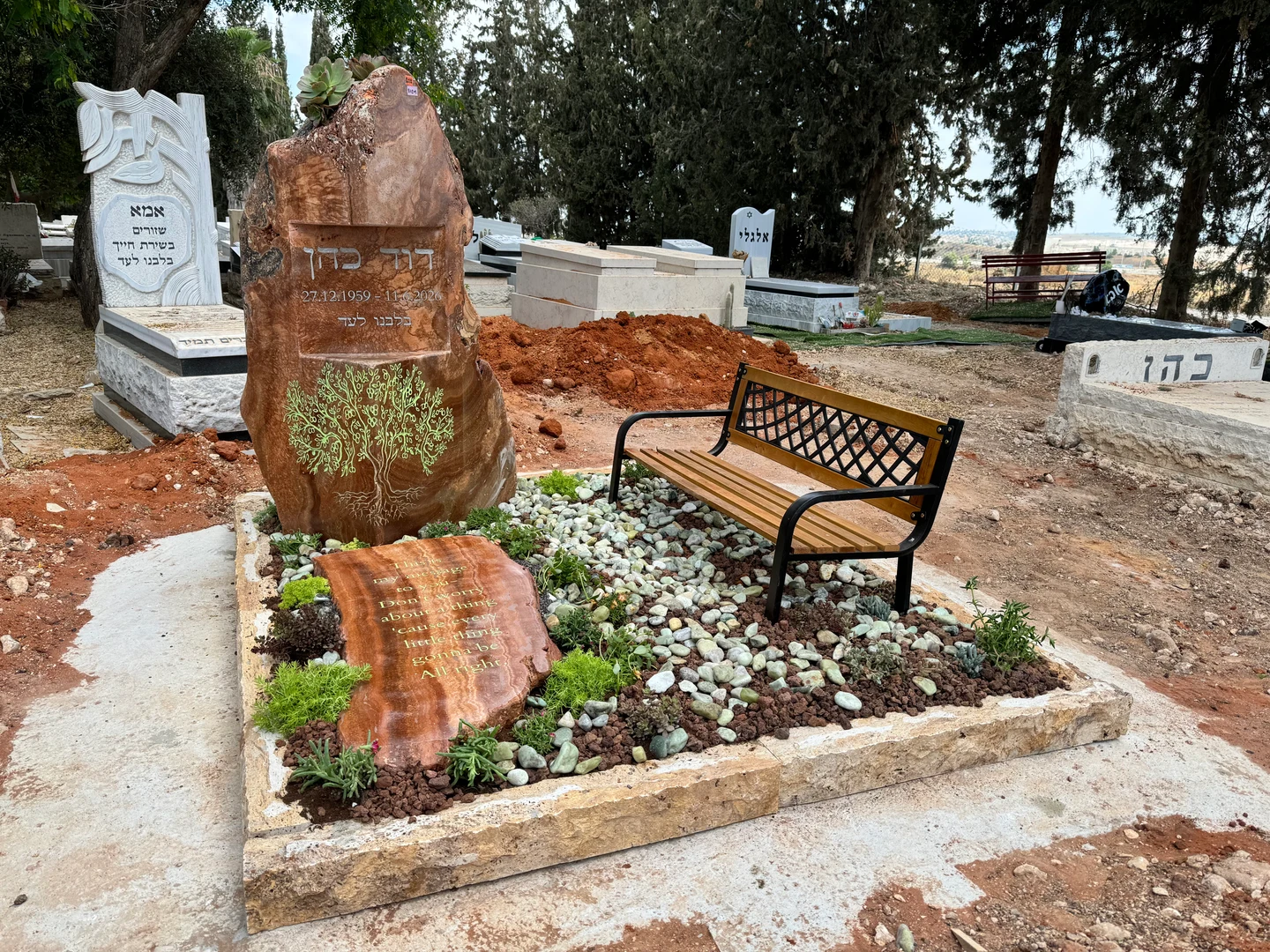
Light, water and plot boundaries
For words, growth and visits
A garden you can realistically maintain
Contents 12 sections
Designing a Place to Visit
Stone and planting change at different speeds: the stone is chosen for many years, while plants grow and respond to the seasons. Plan them together so the name remains readable, the surface stays tidy and visitors can approach once the planting matures. Start with how you want to spend time here and the care you can provide, rather than with a particular plant.
Think about an ordinary visit as well as the memorial gathering. Will one person come, or several relatives? Does anyone need a seat? Where will flowers, remembrance stones or a candle go? Give each activity a place that does not cover the planting or inscription. Even a small garden feels peaceful when every element has a purpose.
There is no need to fill every empty area. Clear stone, a little planting in a defined space and a restrained pebble surround can form a complete design. Choose one focus—an unusual upright, the inscription slab or the planting—and let the other elements support it. In a small plot, too many colours, pots and details can make both visits and maintenance harder.
Plot Boundaries and Cemetery Requirements
Before choosing a bench, border or planting bed, ask the cemetery administration for the rules applying to your plot: permitted additions, boundaries, dimensions and approvals. Something seen on a neighbouring grave or at another cemetery may not be allowed here. Access to a tap does not necessarily permit a private irrigation connection.
Consider the shared path, neighbouring headstones and access for maintenance. A bench that looks comfortable on paper can obstruct the path; a plant near the boundary may grow beyond it. Bring a sketch showing known boundaries and photographs of the whole area, including side views and the approach from the path.
For an existing memorial, first have its structure and scope for alteration assessed. Do not drill, open a planting bed or change the base yourself. A professional should determine what can be added without compromising the existing work. A separate planter or a small adjustment to the pebbles may fit the plot better than a large addition.
Four Functions within One Small Space
Think of the design as a small map with areas for lettering, plants, ground cover and approach or seating. They need not be equal, and not every headstone needs all four. This helps reveal conflicts early: a pot in front of the name obstructs reading, while pebbles along a path edge can spill into the walkway.
| Area | Purpose | What to check |
|---|---|---|
| Inscription and main stone | A readable name, dates and message | A clear view after the plants mature |
| Planting | Softness, seasonal interest and personal meaning | Root space, light, drainage and maintenance |
| Pebbles or ground cover | A visual frame connecting the elements | Edging, cleaning and a tidy appearance |
| Access and seating | Comfortable time beside the memorial | Approved boundaries and an unobstructed approach |
Before approving the plan, walk through the small practical tasks: where someone will stand to water, how a pot can be replaced and where a bouquet will rest. This can reveal issues a rendering misses. Finally, check that the memorial still feels like one coherent design rather than a collection of later additions.
Light, Heat and Wind: Let the Site Guide Your Choices
The plot's conditions matter more than an attractive plant name. Check hours of direct sun and shade from buildings or trees. Nearby stone, walls and paving also affect the growing conditions. A spot shaded in the morning may receive intense afternoon sun. Photograph it at different times or ask cemetery staff about conditions through the day.
A built-in planting area and a separate pot have different requirements. The volume and depth of the soil, together with drainage, limit what can grow well. Do not choose a plant only for its size when bought: ask about its mature size and growth habit. Roots, branches and leaves should not cover the inscription or displace other elements. Take photographs and measurements of the planting space to a nursery, and choose plants suited to the local conditions.
A plant thriving on another plot may not suit yours. Wind, exposure, proximity to the sea and frequency of care all matter. Begin with a few suitable plants and see how they establish rather than buying a large assortment. If a plant has personal meaning, check whether it will thrive here—or express that connection through colour, shape or a stone ornament.
Which Plants Should You Consider?
Choose planting for its appearance, mature size and care needs. Low plants can keep lettering visible, relatively evergreen foliage provides continuity, and seasonal flowers add colour where someone can replace and tend them. These are options to assess, not a universal shopping list. Choose the final species and variety with a nursery or gardener familiar with the conditions.
Low, contained planting
Consider low planting around the inscription or in a small planting pocket, provided its mature size allows it. Check how it spreads, how it is pruned and how it changes through the seasons.
Succulents
They may suit some designs, but their needs differ. Check sun, drainage, mature size and spines. Choosing succulents does not remove the need for watering or make every hollow in stone a suitable planter.
Seasonal flowers in an accessible container
These change the colour and mood without altering the headstone. They work when someone can visit to tend and replace them. Position the container so it does not hide words or make cleaning difficult.
Near seating and approach areas, consider how plants feel as well as how they look. Sharp leaves, protruding branches and fast growth can obstruct a visit. Ask for an easy-care alternative that stays within its designated area. A few suitable plants are better than an overcrowded garden needing frequent intervention.
Watering and Drainage: A Realistic Care Plan
According to the RHS guide to watering container plants — opens in a new window, watering depends on the growing medium and location; there is no schedule for every container. Plan who will inspect and care for the plants, then choose accordingly. Do not copy a routine from a different climate or assume light rain has soaked the whole root zone.
Explain how often the family visits and whether anyone else can help with care. With infrequent visits and no maintenance service, use less living planting or choose something easy to remove and replace. Irrigation, where permitted and suitable, still needs design, water and someone responsible for checks. Even drought-tolerant plants need suitable conditions while establishing and afterwards.
Design the planting area with the headstone. Water routes, separation from stone and joints, and access for cleaning or replacement require professional detailing. Do not improvise planting pockets or drainage holes in an existing structure. Clarify who designs and maintains planting, especially when different contractors handle stone and gardening.
Pebbles: Colour, Size and Edging
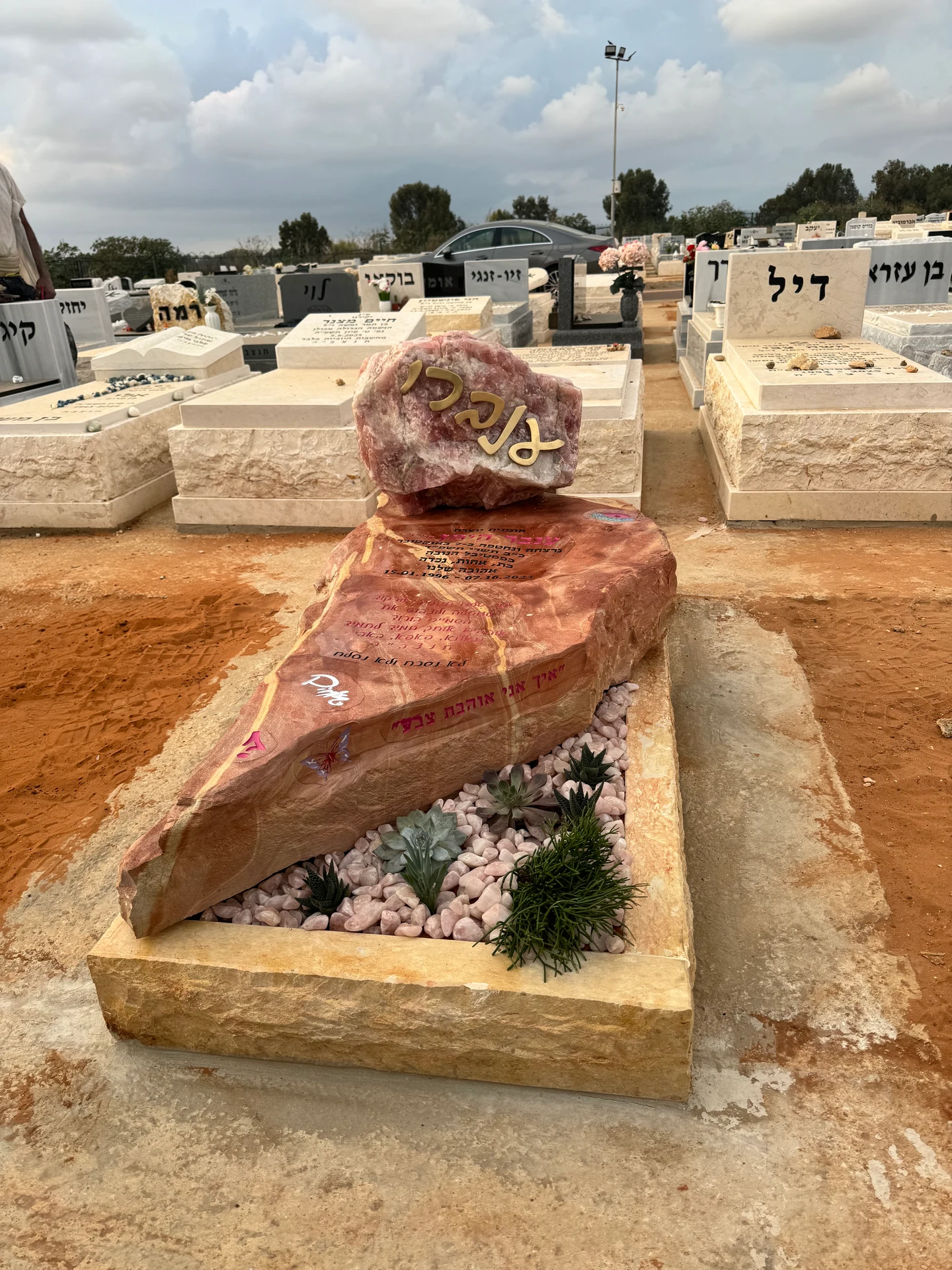
Pebbles can connect the stone and planting and give the surface an orderly appearance. Choose beside a stone sample in natural light. Light pebbles contrast strongly with dark stone, while similar tones create a quieter effect. Consider texture and shine too. One colour may be enough to unite the design.
Pebble size affects both appearance and upkeep. Larger stones stand out individually; smaller ones form a more continuous surface, but containment and cleaning differ. View a full-size sample over a representative area, not just a bag or close-up. Clear edging separates decoration from the space visitors use.
Plan how to remove fallen leaves, replace a plant and return pebbles after maintenance. Record the chosen ground-cover material so it can be matched later. Pebbles do not eliminate dirt or the need for care. Choose them as a purposeful part of the overall design rather than a way to fill every undecided area.
A Bench beside the Headstone
A bench allows people to stay, talk and return outside a ceremony. First confirm it fits within approved boundaries and conditions. Consider the view, sun and approach. It must not block a neighbouring grave, and it should be clear whether it is for the family or part of a shared space.
Ask about sitting comfort and maintenance when choosing the structure and material. Stone, metal and mixed-material benches feel different in use. Try a real example, considering the backrest and ease of getting up. The designer should adapt dimensions to visitors and the site rather than rely on one universal measurement.
If a bench cannot be added to the plot, check for existing seating nearby. Sometimes changing the orientation or opening the view from the path makes the place more comfortable. An intimate atmosphere does not require filling the plot. In ourguide to creating a memorial space you can explore seating and gathering areas on a larger scale.
Three Ways to Plan a Small Memorial Garden
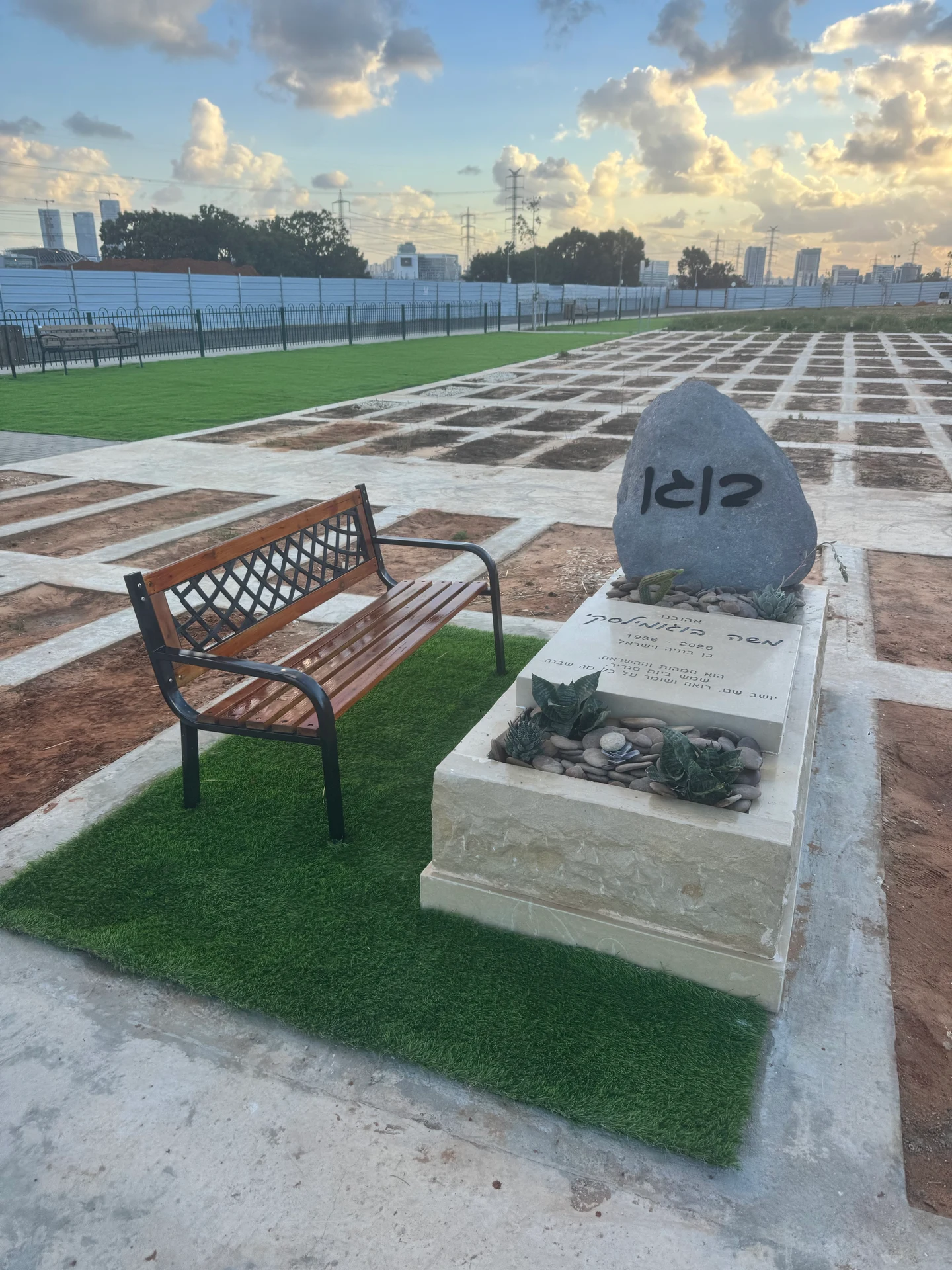
These scenarios illustrate choices, not completed projects or solutions approved for a particular cemetery. Each starts from the plot and local requirements. The photographs show real catalogue work, allowing you to study details without assuming they suit every site.
Scenario 1: A few visits each year
A family visiting on set dates might choose a clear stone surface, contained pebbles and one accessible plant container. Decide who checks the plant between visits. If nobody can, reserve space for flowers brought during visits instead of permanent planting. The design then does not depend on care that cannot be provided.
Scenario 2: A personal connection to gardening
If a family member wants and can provide regular care, consider a distinct planting area with a few plants suited to the light and soil volume. Leave access and space around the words. Plan an alternative for times that person cannot visit, so the garden does not become a burden.
Scenario 3: A place to spend time together
Where approved conditions allow, combine the headstone with seating, low planting and ground cover linking the parts. Focus on the relationship between bench, stone and path. Check the view from the seat, where flowers are placed and how several visitors can approach without stepping on the decorative area.
You can borrow from several scenarios while retaining one clear approach. First ask what the family can still maintain a year from now, then decide how much planting to include. A plan grounded in visitors' real time and ability will serve them better than one requiring ideal care.
Caring for Stone and Plants Together
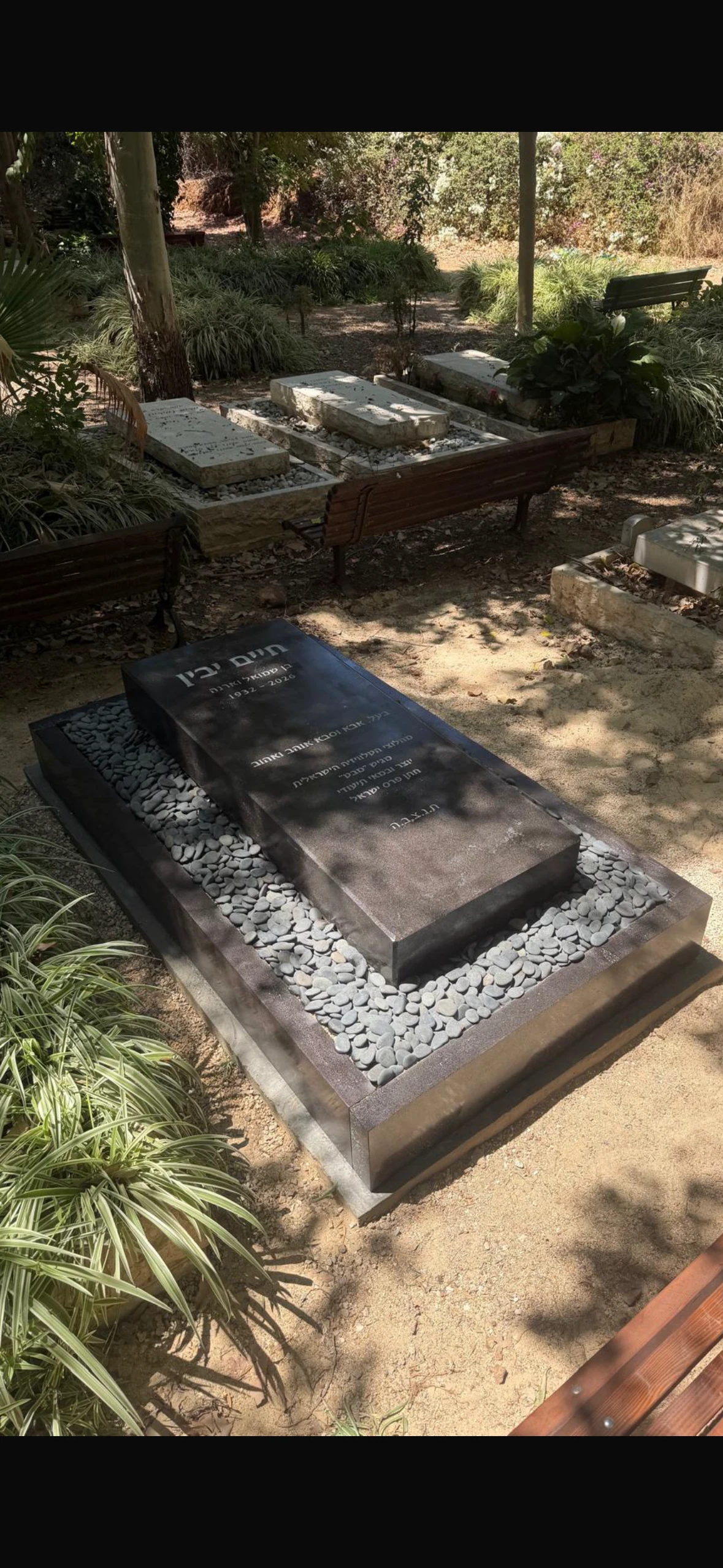
Stone and planting need separate care plans. Natural Stone Institute care guidance — opens in a new window emphasise identifying the material and matching the cleaning method to it; acids, for example, damage some stones. A general-purpose cleaner is not automatically safe for the stone, inscription and surrounding elements. Ask for instructions for the actual stone and finish installed.
During ordinary visits, observe the overall condition and gently remove loose debris as instructed. Check for leaves over the wording, spreading plants or containers obstructing cleaning. Do not attack a stubborn mark with stronger chemicals before identifying the stone and stain. Structural or joint changes need a professional.
Share a short care list with the family: the chosen plants, who looks after them, the approved cleaner and who to call for replacement pebbles or stonework. Photograph the finished design as a reference. For careful cleaning and checks before treatment, see our the headstone care guide. Responsibilities for the planting and the stonework should be clear in the order.
What Belongs in the Quote and Final Approval?
The quote should state what is built and supplied: stonework, pebble areas, planting pockets or containers, an approved bench and the plants themselves if included. Preparing space for a plant is different from supplying and planting it. Make this explicit alongside transport, installation and responsibility for care after handover.
- Clear dimensions and zones for lettering, planting, pebbles and access.
- A photograph or sample of the agreed stone, pebbles, colour and finish.
- A plant list, or an agreement on who chooses and approves the plants.
- Bench and accessory details within the approved installation conditions.
- Coordination between stonework and gardening, including responsibility where they meet.
- Separate care and warranty terms for the components, as quoted.
At handover, view the memorial from the path and likely visitor positions. Check that it matches the approved layout and the inscription remains visible. Record any plant or detail still to be added. Clear agreement on small finishing items turns a good design into a complete result.
Questions about Planting around a Headstone
Can planting be added to an existing headstone?
Sometimes a container, different ground cover or a limited adaptation is possible, but first check the structure and cemetery rules. Do not assume a slab may be removed or a planting pocket opened. Bring wider photographs and headstone details to the consultation.
Are there plants that need no watering?
There is no answer that suits every plot. Even drought-tolerant plants depend on species, growing medium, exposure and establishment stage. If care is not possible, choose a design based on stone and ground cover, with a place for flowers brought during visits.
Are white pebbles always the best choice?
Not necessarily. White pebbles create a particular contrast, but the choice should suit the stone, surroundings and care plan. See a sample beside the stone and compare natural or darker tones before deciding.
How do we keep plants from hiding the name?
Define the reading area and select plants for their mature size, with suitable spacing and care. Show their expected future volume in the visualisation, not only the small plant on installation day.
Does a quiet place for remembrance need a bench?
No. A clear view of the stone, room to approach and modest planting can create a dignified place. A bench is an option where space and permission allow, not a requirement for a personal design or a meaningful visit.
Would you like stone, planting and a place to sit?
Bring a plot photo and the cemetery’s instructions. Together, we can plan the space for the headstone, planting and visits.
Related information
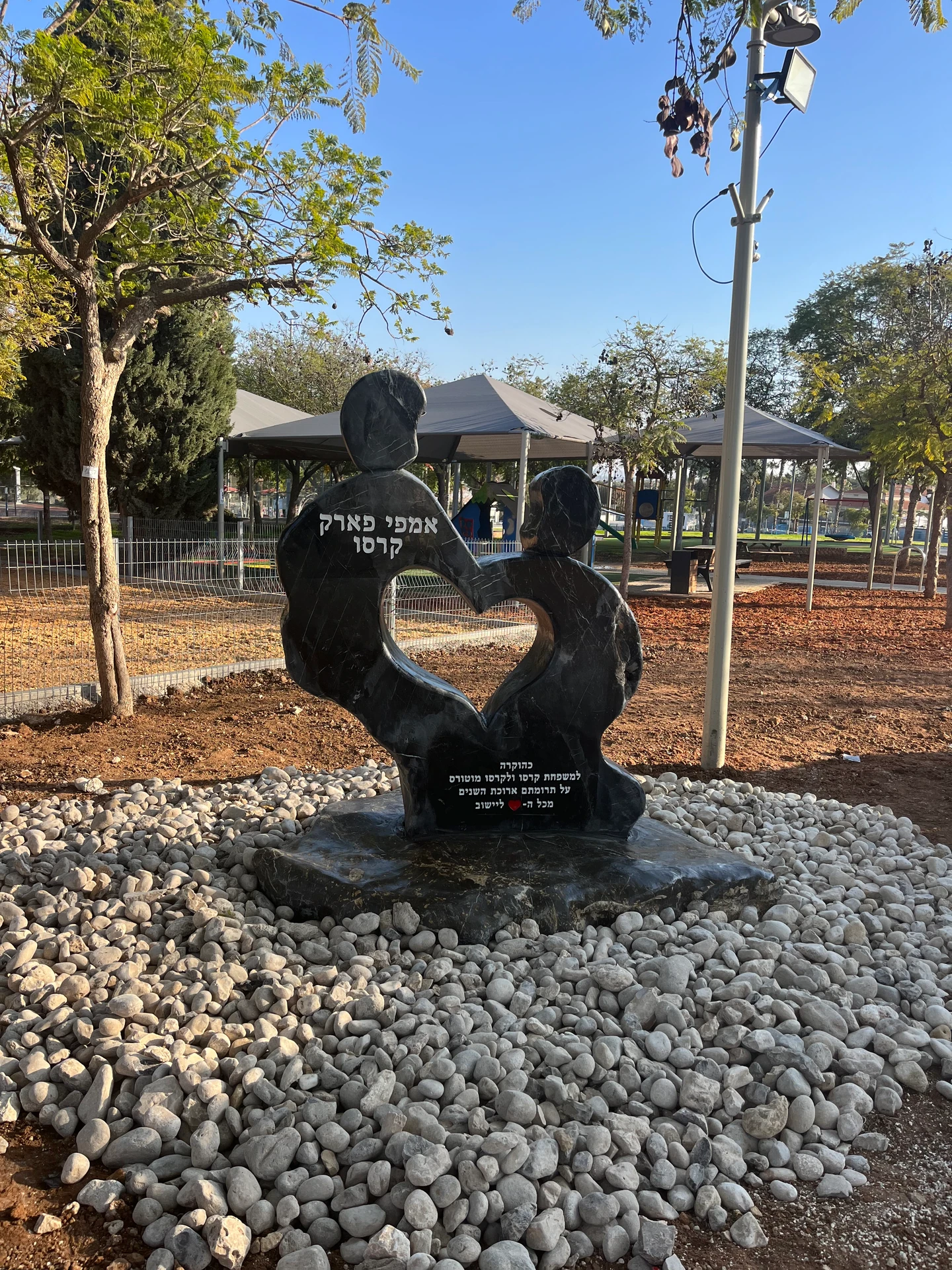
Creating a Memorial Garden or Square: A Guide for Families, Communities and Organisations
A detailed guide to creating a remembrance space or memorial square: site selection, local coordination, stone design, accessibility, wording, budget and care, with photos and a printable planning sheet.
Read the guide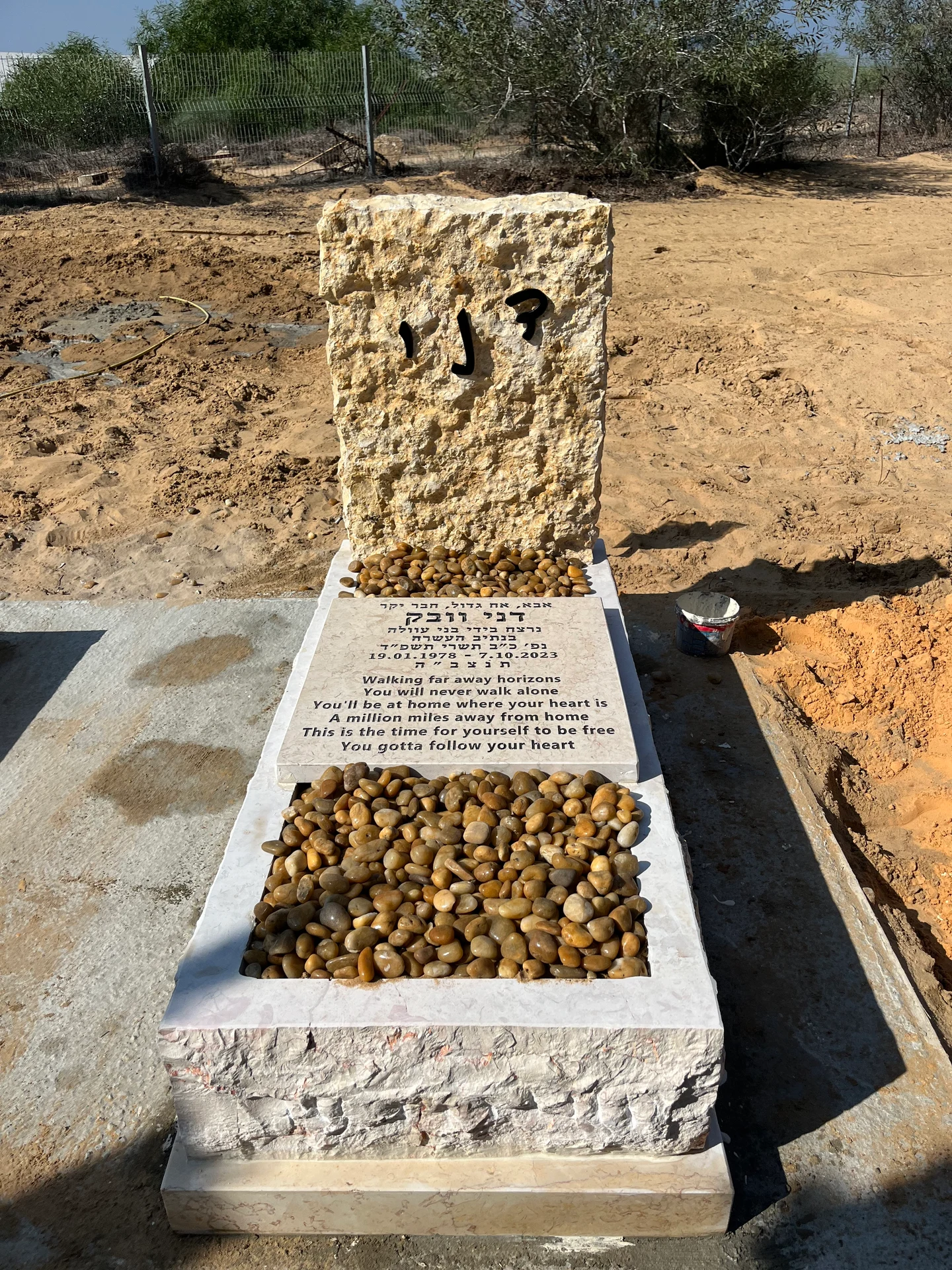
Natural-Stone Headstones: Choosing the Boulder, Texture and Inscription
Natural-stone headstones: rough and worked stone, choosing a specific block, inscription space, finishes and care, with examples.
Read the guide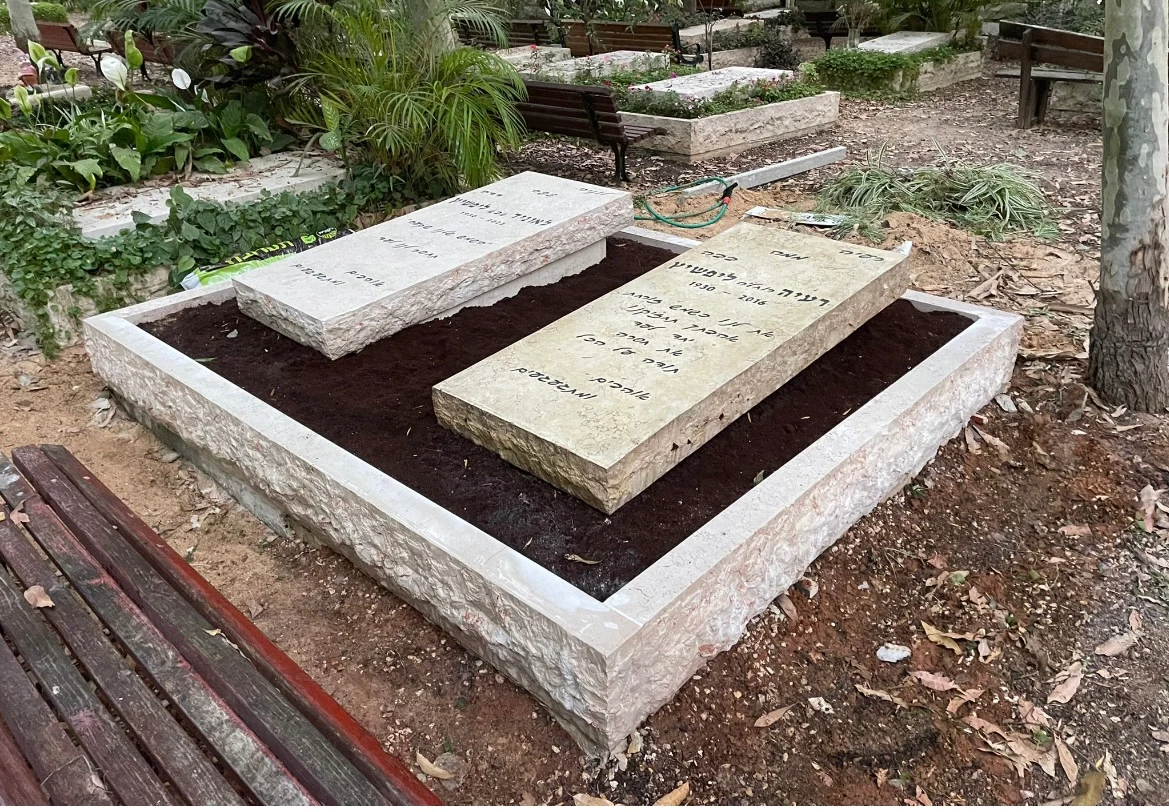
Caring for a Headstone Yourself: What to Clean and When to Stop
Headstone care at home: inspect before cleaning, remove dirt gently and distinguish maintenance from repairs to stone, lettering or joints.
Read the guide