Repainting Headstone Lettering: What to Check First
Hard-to-read lettering does not always need paint. It may be dirty, the paint may have worn away, or the issue may involve attached letters or damaged stone.
Identifying the Lettering Technique
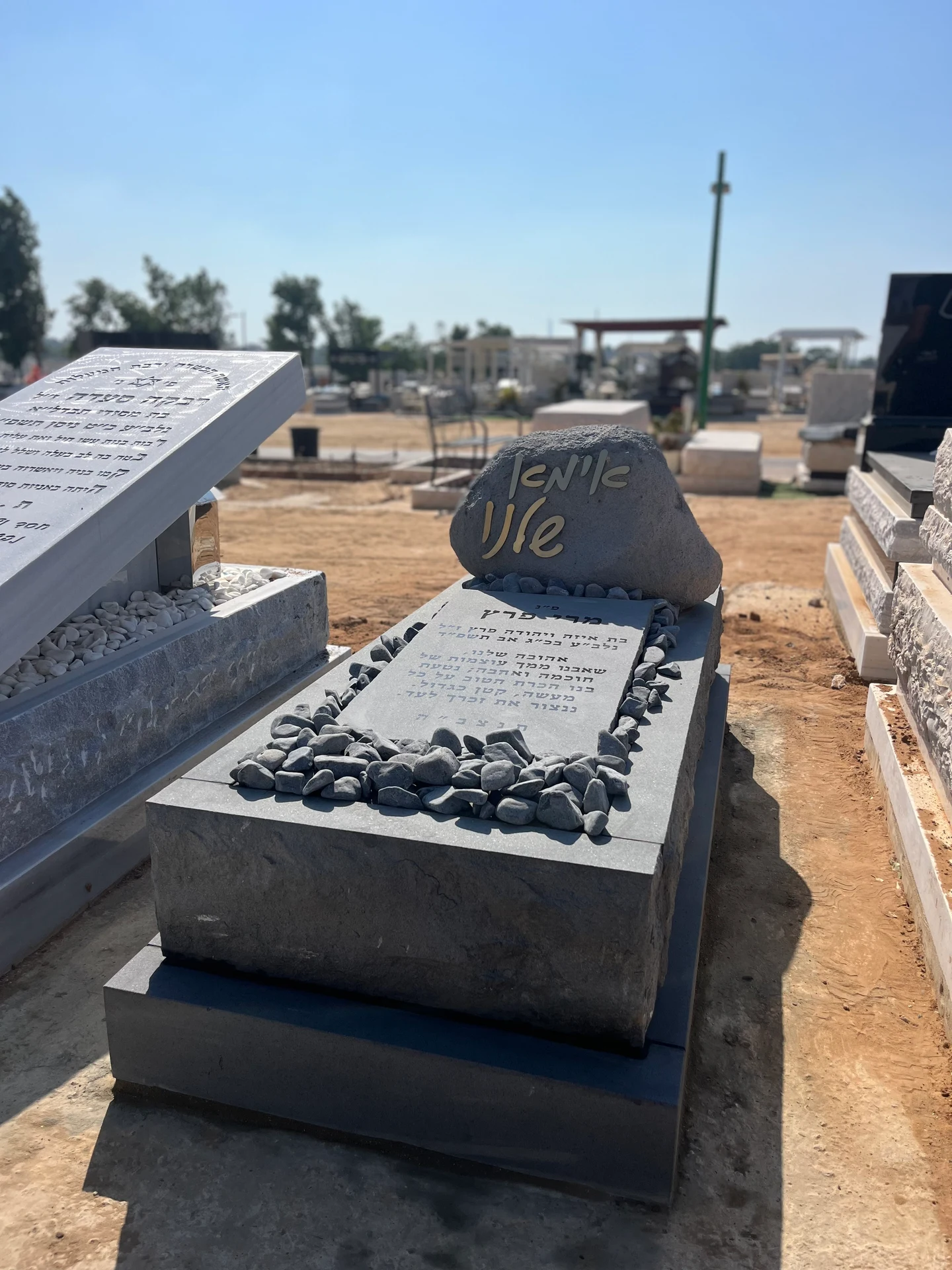
Paint-filled engraving
Check the engraving, old paint and surrounding stone. The product must suit the whole combination.
Attached letters
A loose metal or cast letter needs both the letter and its fixing checked. Paint cannot repair a failed attachment.
Carved or raised stone lettering
Treatment depends on the material and finish. Do not fill or sand lettering simply because it looks faint in a photograph.
Why There Is No Universal Lettering Paint
Stone may be polished or rough, light or dark, and the original lettering may use different techniques. You need to know what the paint is intended for, how to prepare the area and what happens if it touches the surrounding stone.
Before using a product, obtain the manufacturer's explicit guidance on compatibility with the stone, outdoor exposure and the existing coating. If the old paint cannot be identified, do not assume a new layer will adhere. No particular product is recommended here because your headstone and lettering system have not been examined.
What to Photograph before Requesting a Quote
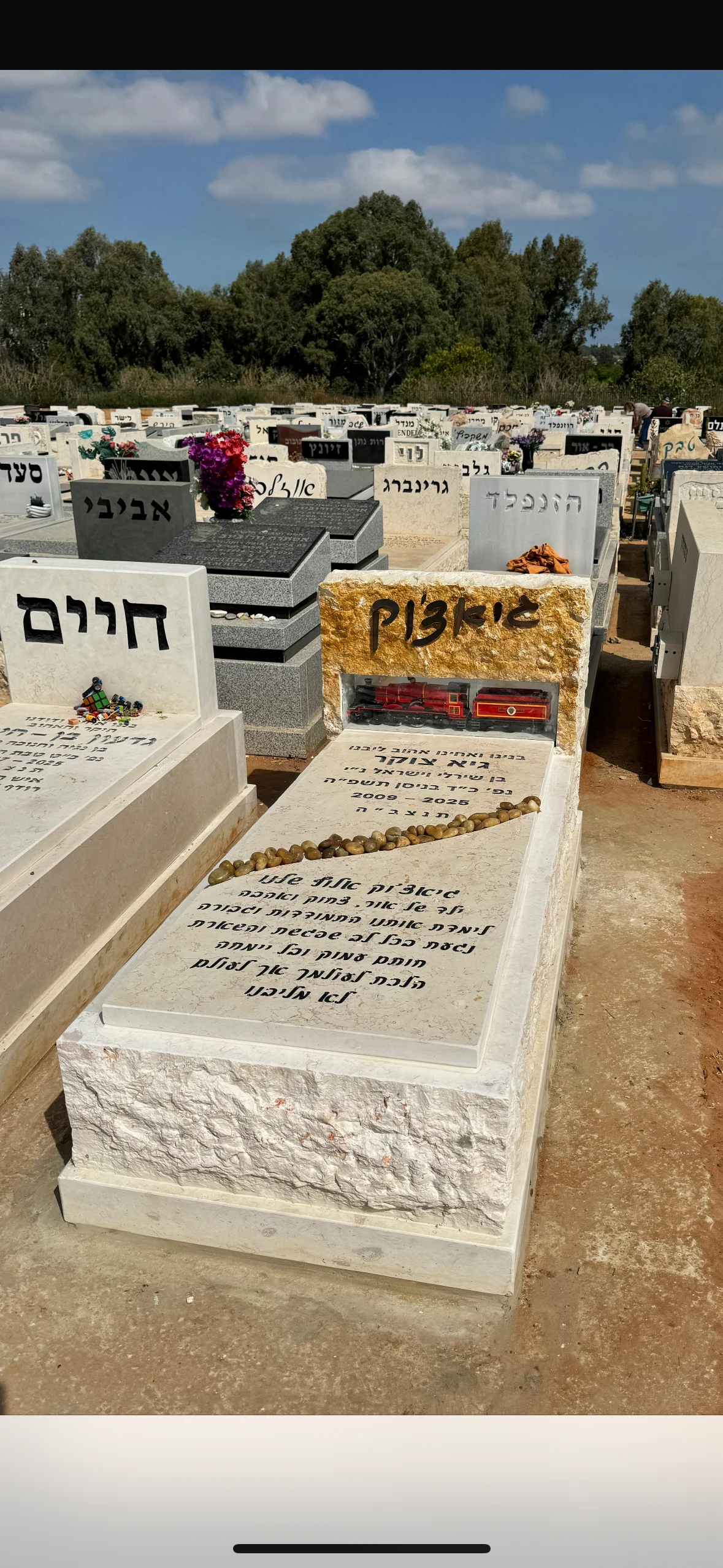
| Photograph | What it helps assess |
|---|---|
| The whole headstone | The layout and relationships between the stone surfaces |
| Lettering close up | The lettering technique and condition |
| A damaged area | Missing paint versus damage to the stone itself |
| A well-preserved area | The original colour and appearance, where still visible |
Preserving the Original Wording
Record every word and date before work begins. A faded letter may resemble another, and punctuation or numerals can be difficult to distinguish in old inscriptions. If there is doubt, compare family documents and records, then approve the wording before restoration.
When adding a name or line, treat the addition and restoration as separate items. Ask which letters will be restored, whether the colour will change and what will happen to areas that need no work. This keeps the intended result clear.
Why Household Tools Are Unsuitable for Scraping Paint
Scraping and rubbing can damage letter edges or the stone's finish. An aggressive stain remover can cause further harm. If you do not know the material and original technique, begin with an assessment.
NPS conservation guidance warns against removing original surfaces or using abrasive tools. For initial cleaning, see ourhome care guide. Restoring letters is a separate task, with its own assessment and material requirements.
Agreeing the Scope of Work
- The existing lettering technique and its condition.
- Exactly what will be restored and whether letters or components need replacing.
- The expected result and any colour differences that may remain.
- When visiting and cleaning can resume, considering the products used.
- Warranty terms and care instructions for the completed work.
Have a question about your headstone?
Ask Rubi about stone, inscriptions and options, free and without obligation.
Related information
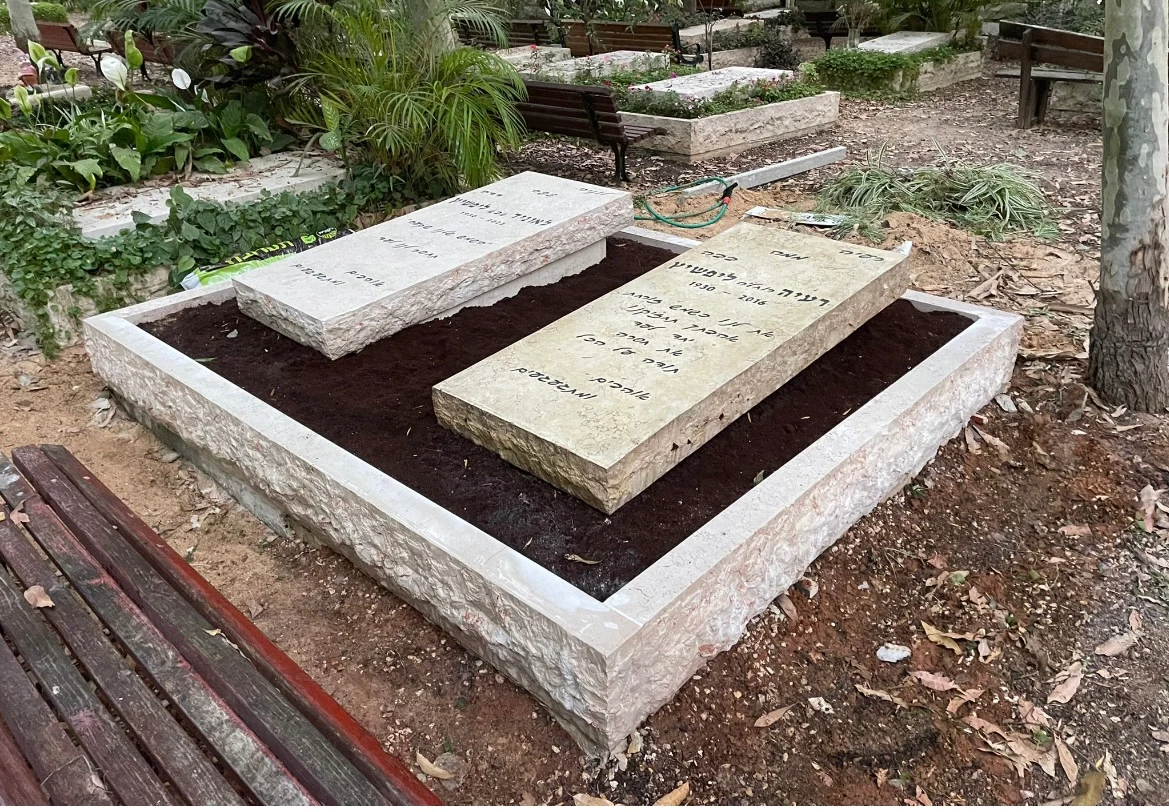
Caring for a Headstone Yourself: What to Clean and When to Stop
Headstone care at home: inspect before cleaning, remove dirt gently and distinguish maintenance from repairs to stone, lettering or joints.
Read the guide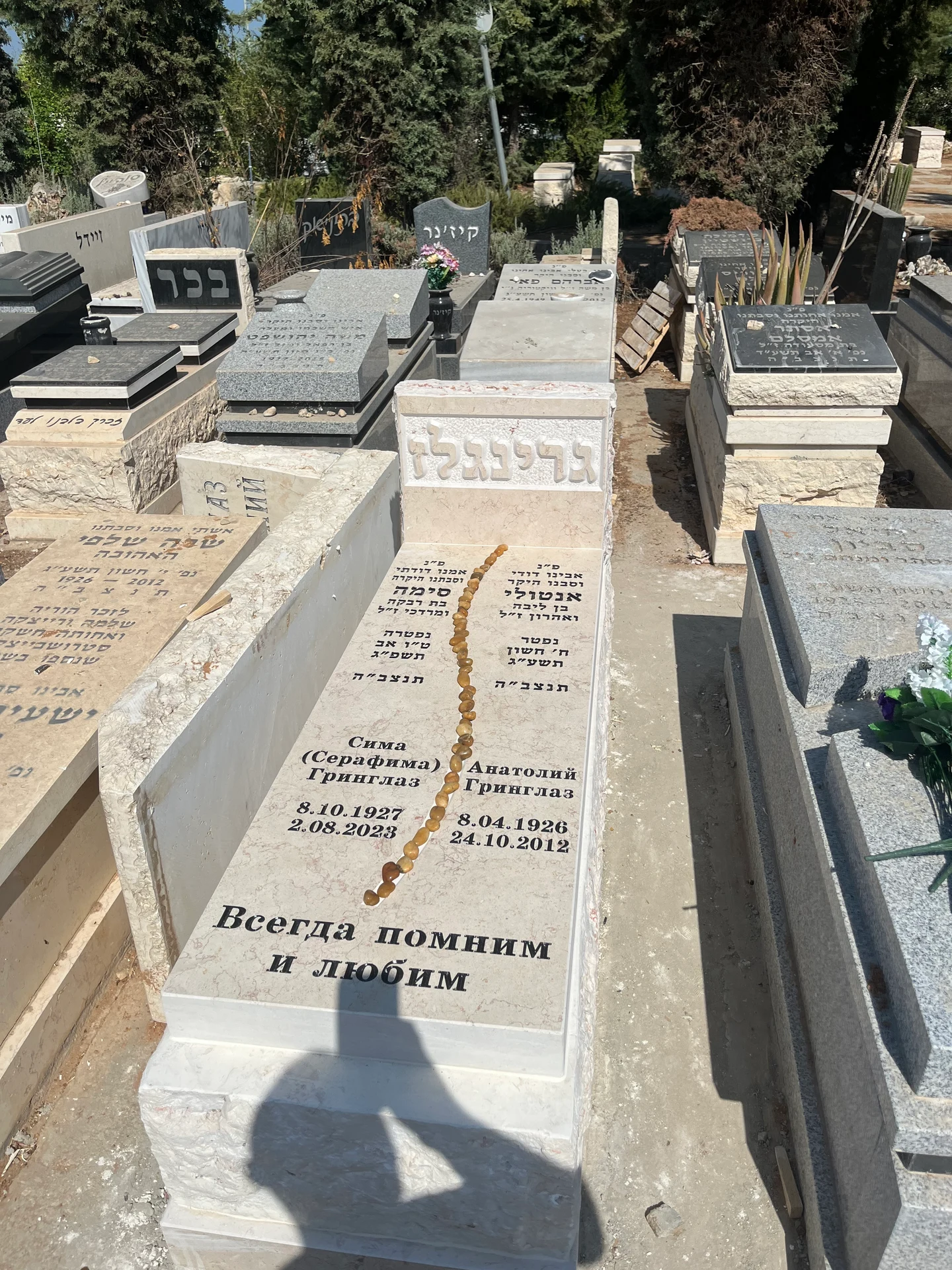 Image awaiting review
Headstone Restoration: What Can Be Preserved and What Needs Repair?
Cleaning, renewing lettering and structural repairs: how they differ and what to photograph before requesting a quote.
Read the guide
Headstone Inscriptions: Choosing and Approving the Words
What should a headstone say? Wording, names, dates, engraving and line layout, with examples for mothers, fathers and personal tributes.
Read the guide