Headstone Inscriptions: Choosing and Approving the Words
Words and lettering design should be reviewed together. First decide what matters most, then give those words a clear place on the stone.
Looking for a Particular Inscription?
Examples to adapt
Short, personal wording with advice on line breaks.
Inscriptions for parents
Inscriptions for a father andInscriptions for a mother with original examples.
Tradition and style
Start with the Words That Matter
An inscription can be brief or detailed. You do not have to find an extraordinary phrase. Start with the full name and essential details, then add personal words, family roles, dates or traditional wording as you wish.
Keep the inscription in one document. Decide who gathers family comments and who approves the final version. This matters especially when corrections arrive in messages, where an older draft can easily be used by mistake.
Simple original lines might be “Your love is with us every day” or “We remember your kindness and the path you showed us.” A particular memory can also be expressed in your family's own words. These are starting points, not fixed formulas.
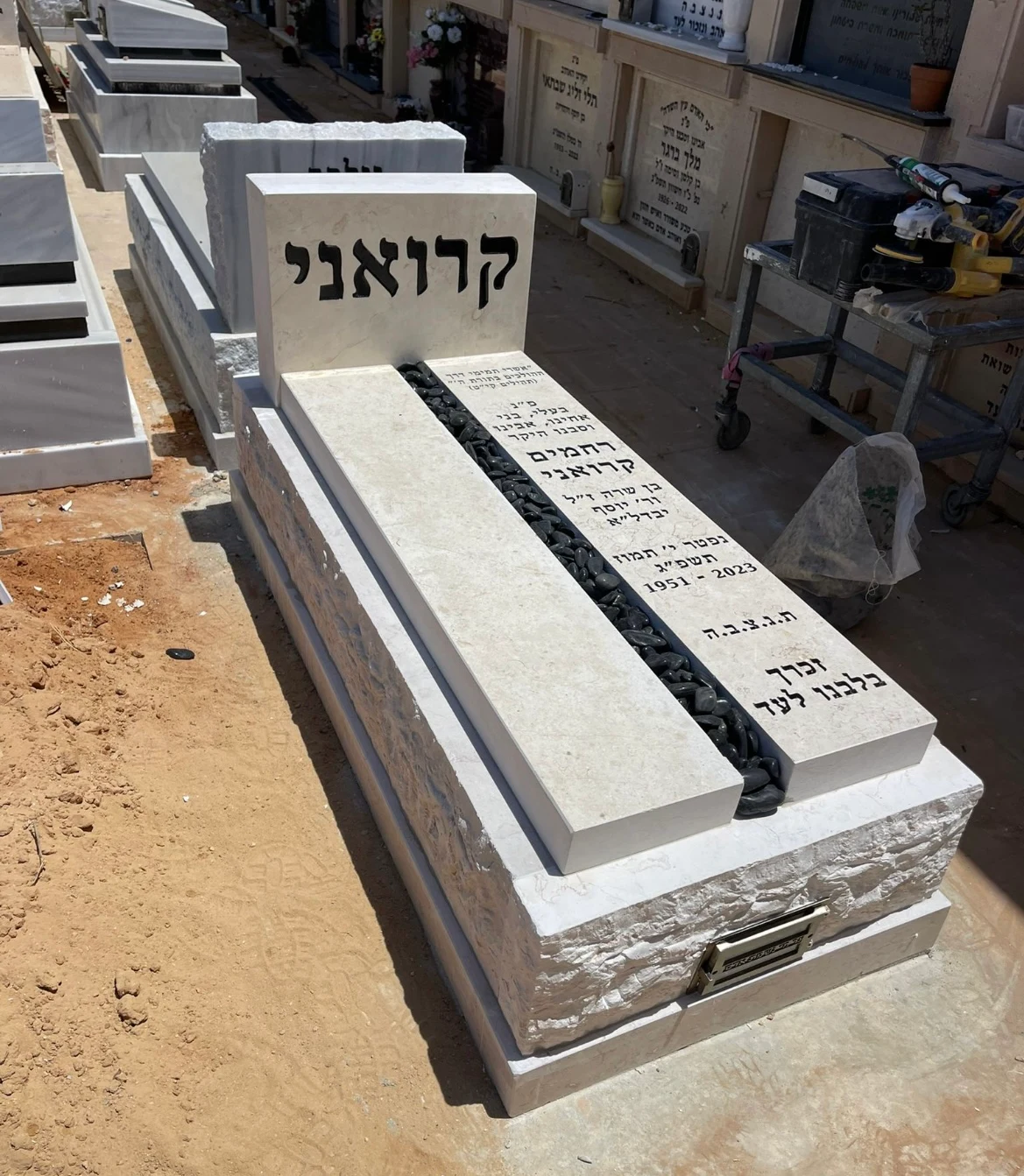
Arranging the Text for Easy Reading
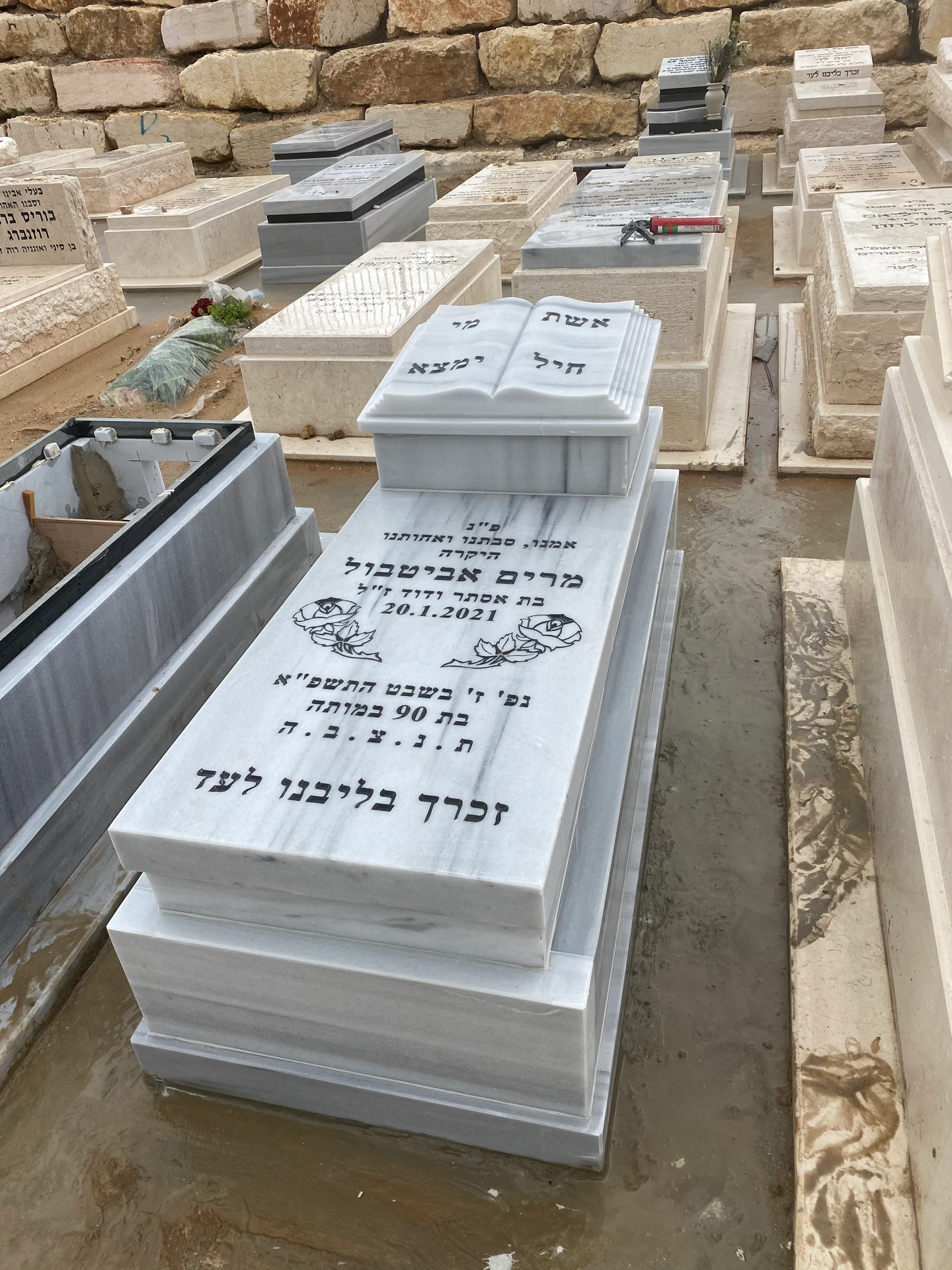
The available lettering space depends on the shape and other features. A small boulder surface, a niche plaque and a family memorial need different layouts. Very long lines can force small letters; a shorter sentence may be more readable and dignified.
View the line layout at the intended dimensions. Check the name size, separation of dates and personal text, and margins. If another name may be added later, reserve the space now rather than assuming it can be fitted in afterwards.
Personal handwriting can be meaningful, but the source must be clear enough for the intended size. A tiny signature or blurred photo may not be suitable. Ask to review a sample before deciding.
Choose a Technique Suited to the Stone
Rubi offers recessed and raised lettering, metal details and other techniques suited to the stone and design. Options include lead, bronze, gold and personal handwriting. Each requires an appropriate method and a clearly stated specification.
Do not choose by technique name alone. View the contrast and overall effect on similar stone. Strong patterns, glossy surfaces and dark plaques may need different solutions. The quote should specify the material and work precisely, especially when a precious metal is named.
Languages, Names and Dates: Double-Check the Details
Hebrew, English, Russian, Arabic and other languages can be arranged. The family approves the spelling in each language. When right-to-left writing meets numbers or left-to-right text, check the visual order and punctuation as well.
- Check the full name, nicknames and parents’ names if included.
- Check dates against your documents, including Hebrew-calendar conversion if used.
- Read aloud and check for typing errors.
- Approve the line breaks as well as the words.
- Keep a clear copy of the version approved for engraving.
For traditional wording or religious questions, consult the authority your family trusts. Cemetery rules also apply to inscriptions and decoration.
Adding or Restoring an Inscription
For additions, document the original lettering with a full view, close-up and measurements. Matching involves font, depth, colour, spacing and stone condition. A small photo alone cannot guarantee an exact match.
Faded paint, damaged stone and missing letters need different work. Send photos for an initial assessment, then agree what to preserve and renew while retaining the family's approved wording.
Have a question about your headstone?
Ask Rubi about stone, inscriptions and options, free and without obligation.
Related information
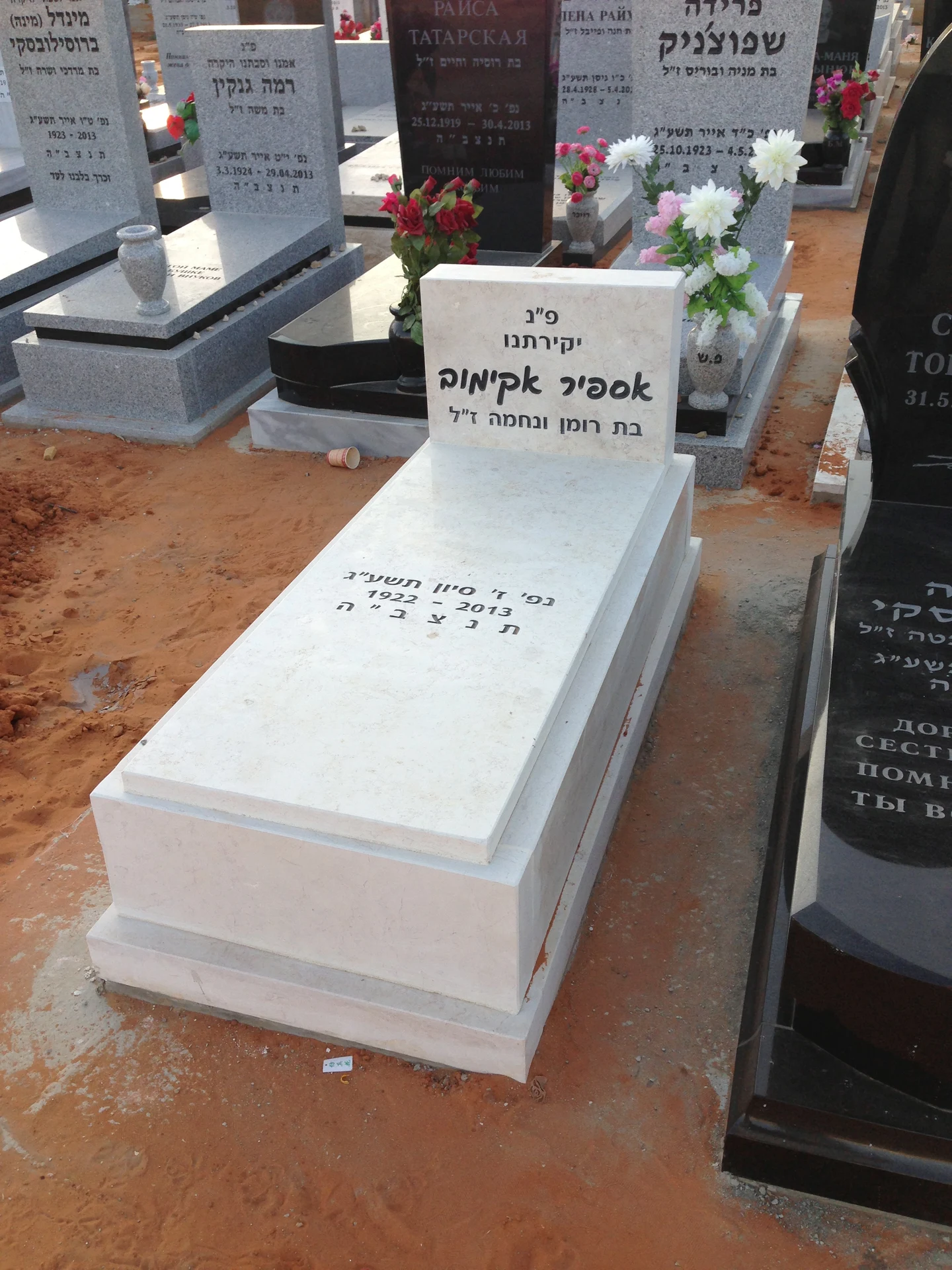
Headstone Inscription Examples: Short and Personal Words
Inscription examples for families: short, personal and shared wording for a couple, line layout and approving details before engraving.
Read the guide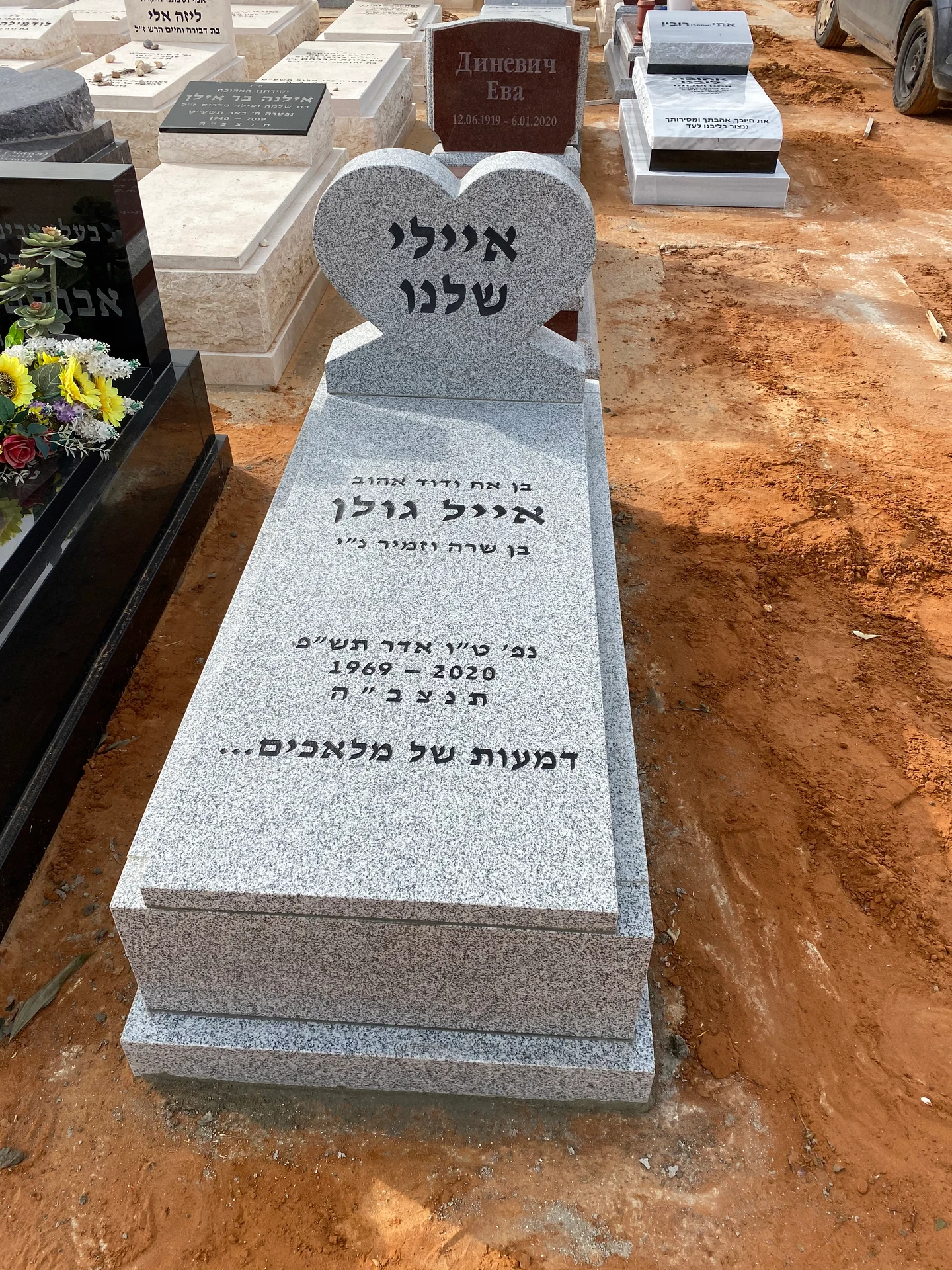
Inscriptions for a Father: Personal Words and Examples
Original inscription examples for a father: short or personal wording, his place in the family and checking names and dates before engraving.
Read the guide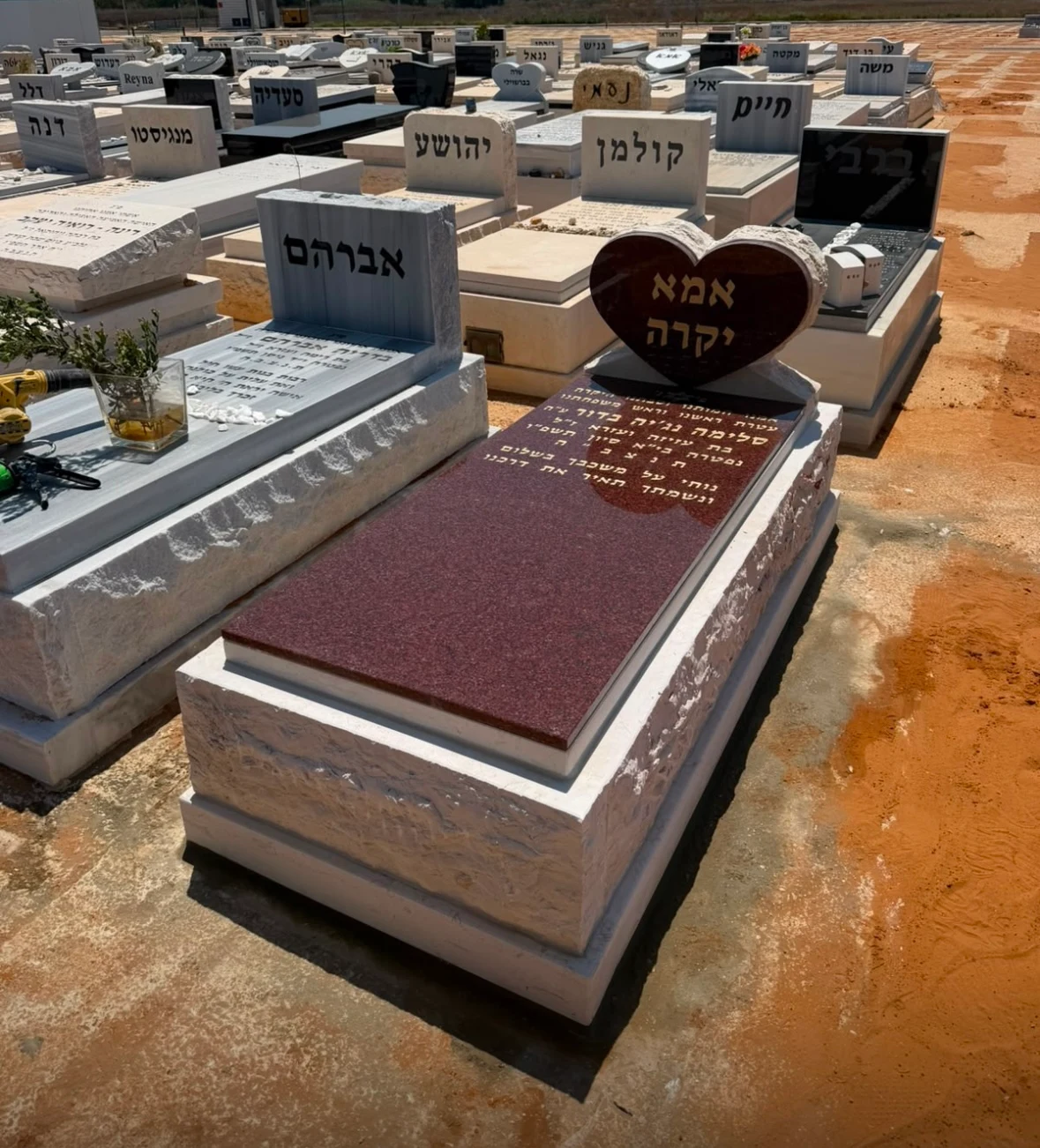
Inscriptions for a Mother: Finding the Words and Planning the Layout
Inscription examples for a mother: choose words that bring her to mind, include names and dates and fit the wording to the design.
Read the guide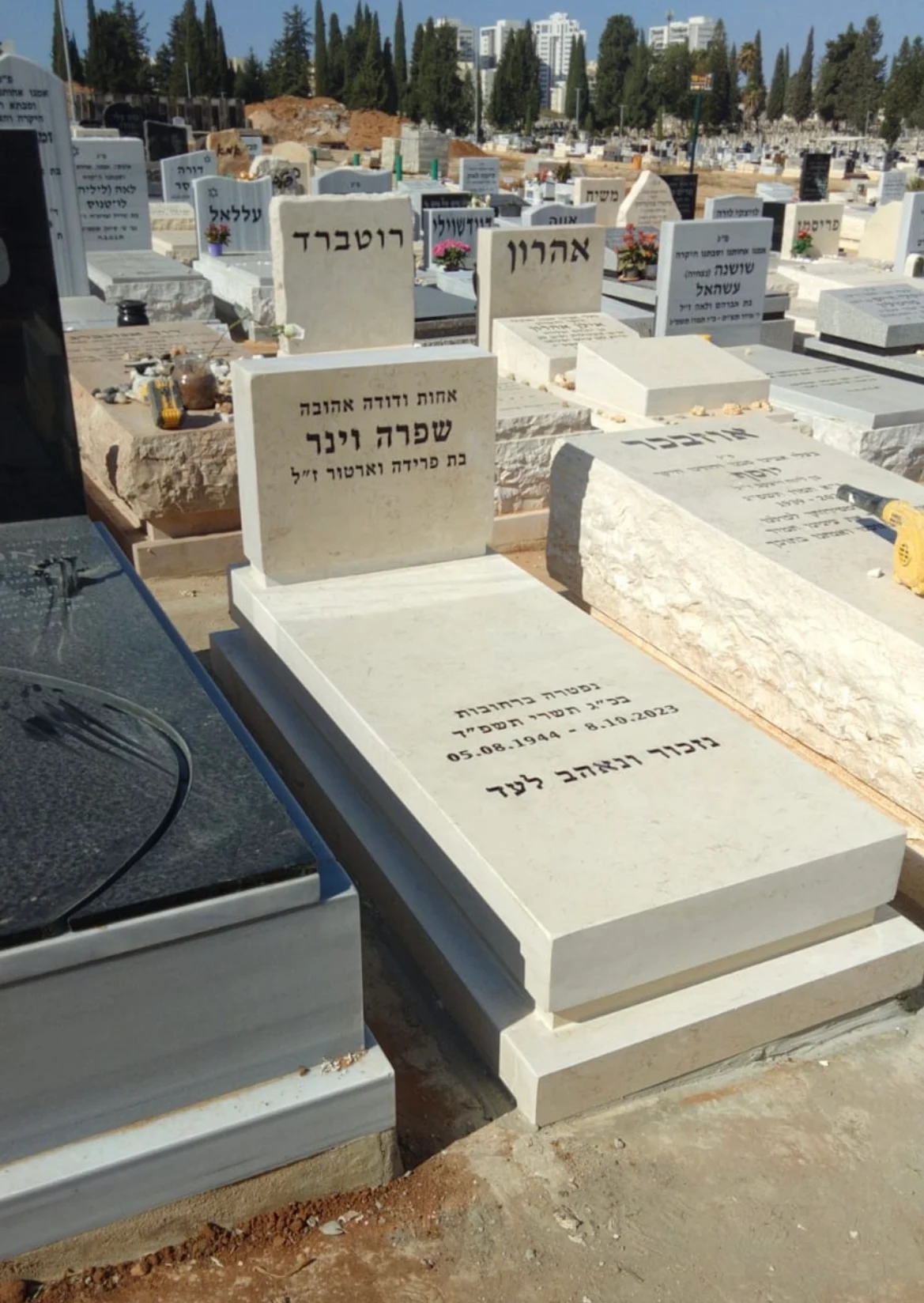
Jewish Headstone Inscriptions: What to Check Before Engraving
Jewish headstone wording and family traditions: parents’ names, Hebrew dates, traditional phrases and languages. Questions to discuss with your rabbi and cemetery.
Read the guide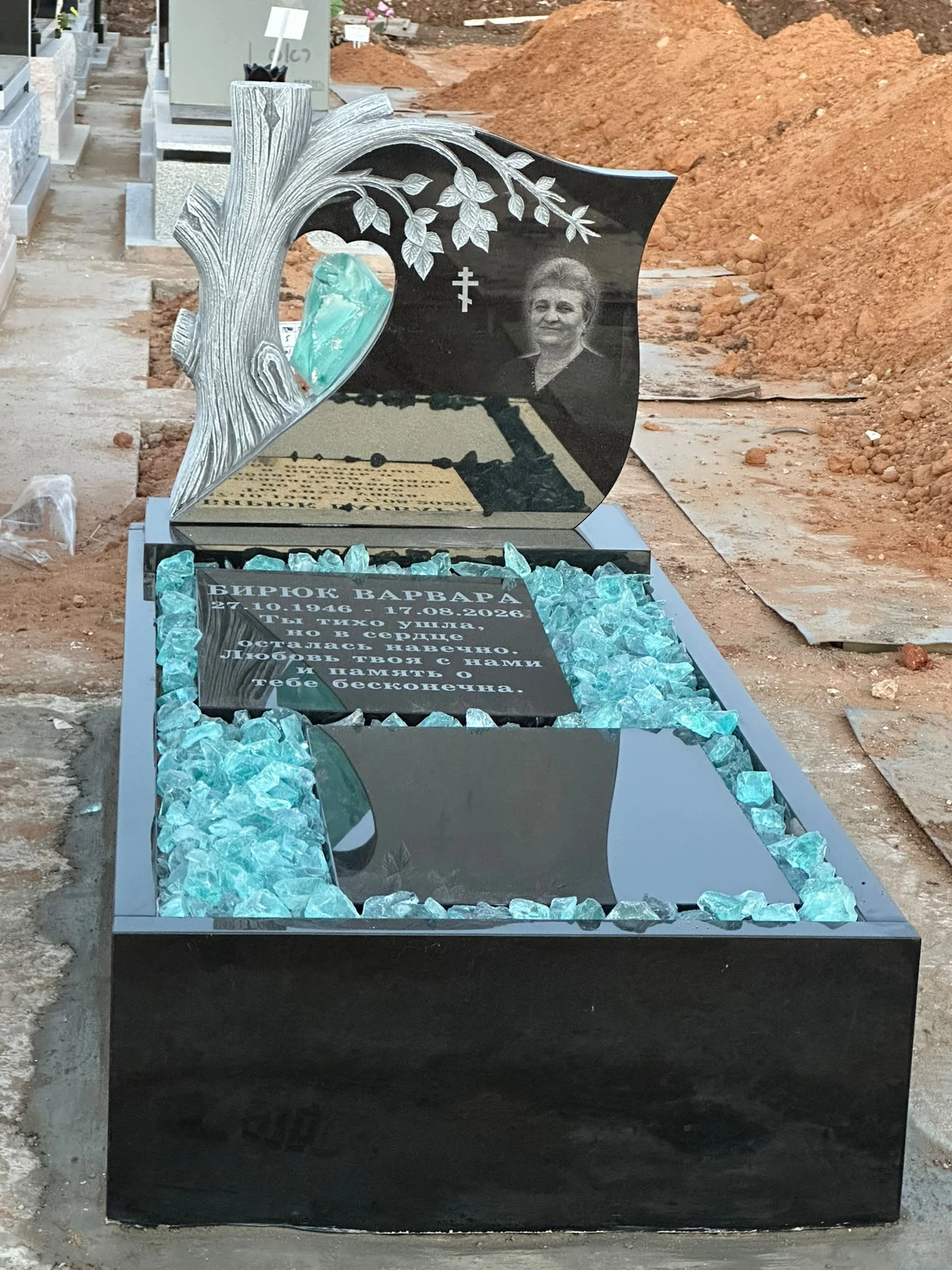
A Portrait on a Headstone: Choosing a Photograph for Engraving, Glass or Ceramic
Choosing a portrait for a headstone: source-photo quality, cropping without losing likeness, engraving, glass and ceramic options, placement and approval before production.
Read the guide