Jewish Headstone Inscriptions: What to Check Before Engraving
Before approving traditional wording, check family customs and cemetery requirements. This page brings together questions to clarify; it is not a personal religious ruling.
Family Traditions and Cemetery Requirements
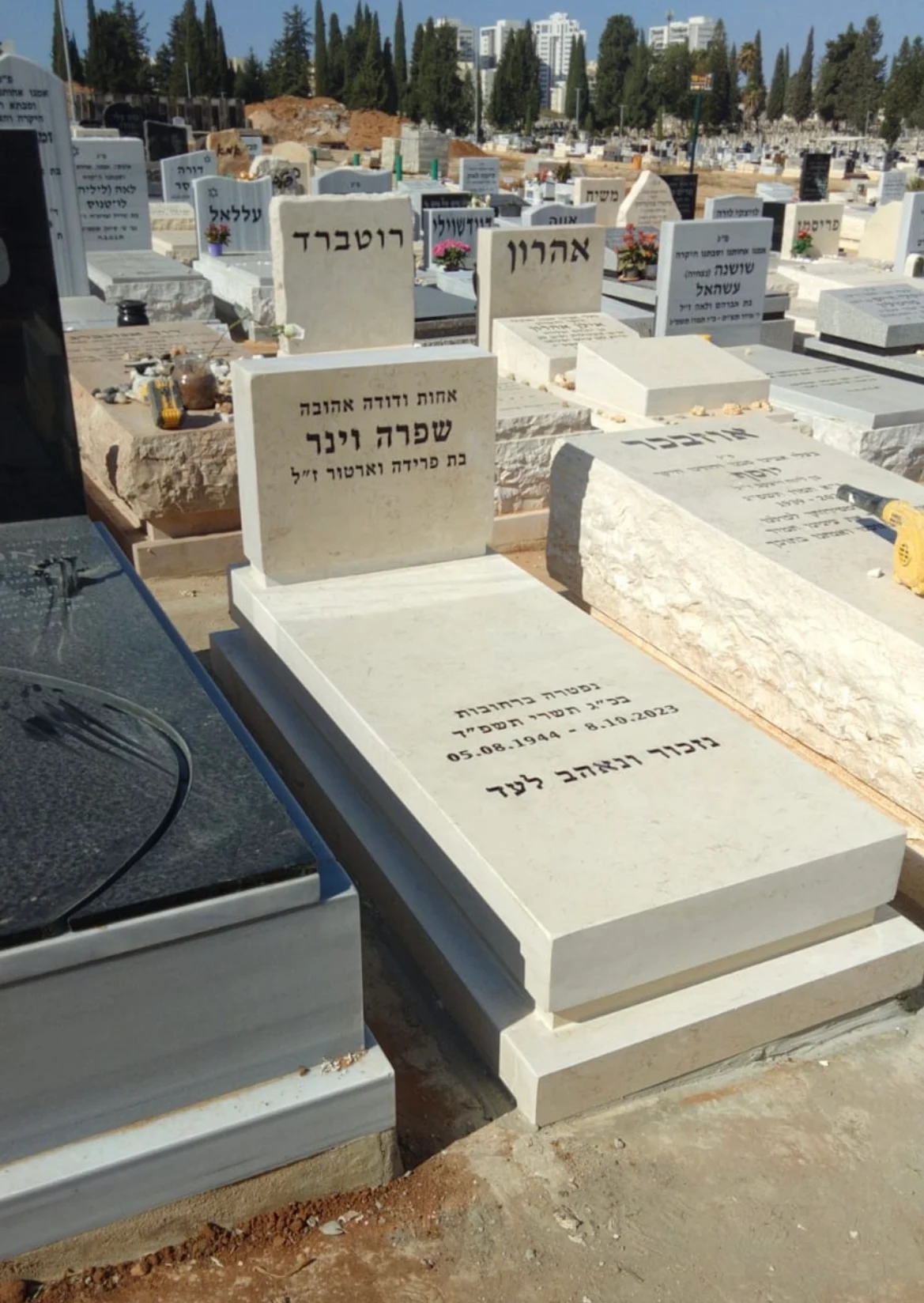
A neighbouring inscription is not necessarily the right precedent for your family. A ruling by the B'Mareh HaBazak team discusses burial-society regulations alongside language choices, illustrating why wording and local requirements must be considered together.
Prepare a short draft, mark points needing guidance and show it to the rabbi your family consults. If cemetery approval is required, establish who gives it and when. Resolve the wording before engraving day.
Four Questions to Clarify
| Topic | What to bring | What not to assume |
|---|---|---|
| The person’s name | Hebrew name, nicknames and names in other languages | That spelling in a foreign-language document is necessarily the desired inscription |
| Parents’ names | Exact names and known family custom | That only the father’s or only the mother’s name is always used |
| Date | The recorded death date and details needed for calendar conversion | That an unchecked calendar conversion is a final answer |
| Personal words or a verse | The exact text and its source | That a verse can be shortened or changed without checking |
The Father's Name or the Mother's?
Rabbi Yosef Simcha Ginsburg describes differing customs regarding the father's and mother's names, including inscriptions naming both parents. Clarify your family's wording rather than treating one custom as universal.
The choice also affects line count and name length. Mark a pending inscription as unapproved. Material selection and general design can progress while its lettering area remains open for the final decision.
Approving the Wording and the Design Separately
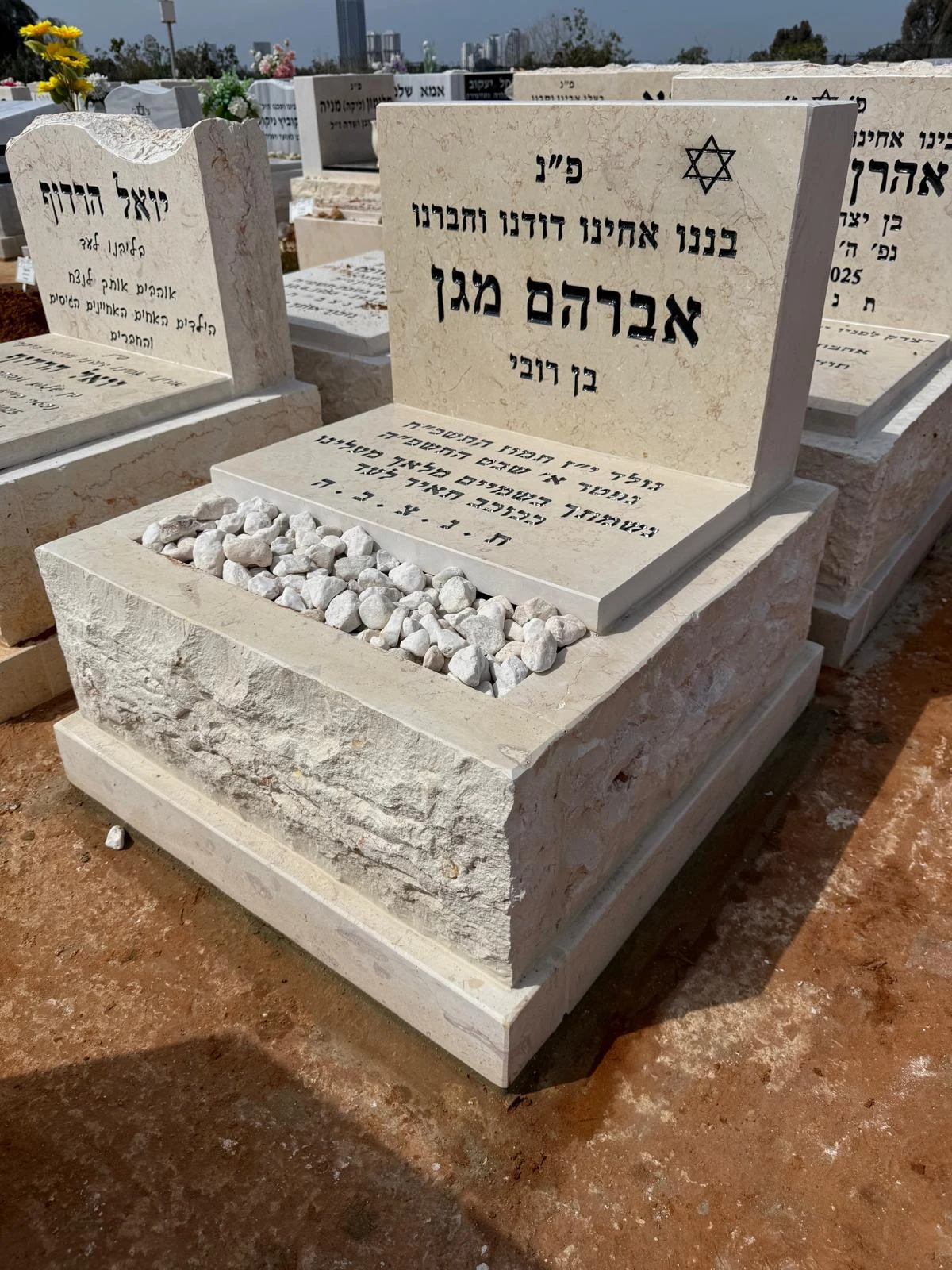
Prepare one clear draft
Combine names, dates, opening and closing in one file. Mark unverified details in brackets.
Resolve the questions
Ask the family’s rabbi about religious wording and the cemetery about dimensions and restrictions. Keep the guidance.
Approve the engraving layout
Confirm that the approved wording retains exactly the same spelling and order, including quotation marks, abbreviations and punctuation.
Personal Words alongside Tradition
Explain your preference for a family phrase, short text or another language and ask how it fits the relevant customs and rules. You need not choose wording that feels wrong merely because it looks formal.
Rubi plans and produces the agreed inscription; religious decisions belong to the appropriate adviser. Ininscription examples you will find original starting points for discussion, not binding religious formulas.
Have a question about your headstone?
Ask Rubi about stone, inscriptions and options, free and without obligation.
Related information
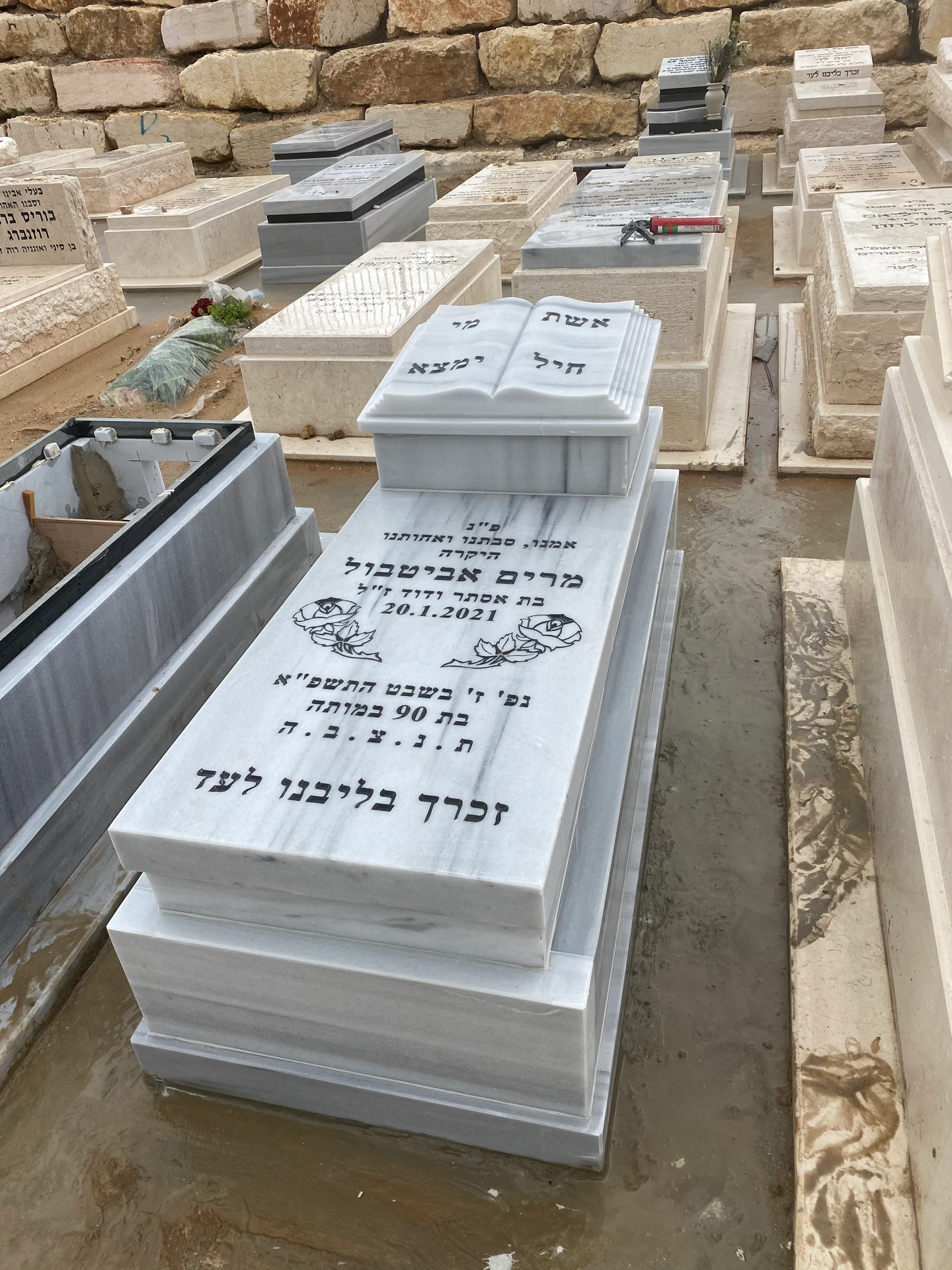
Headstone Inscriptions: Choosing and Approving the Words
What should a headstone say? Wording, names, dates, engraving and line layout, with examples for mothers, fathers and personal tributes.
Read the guide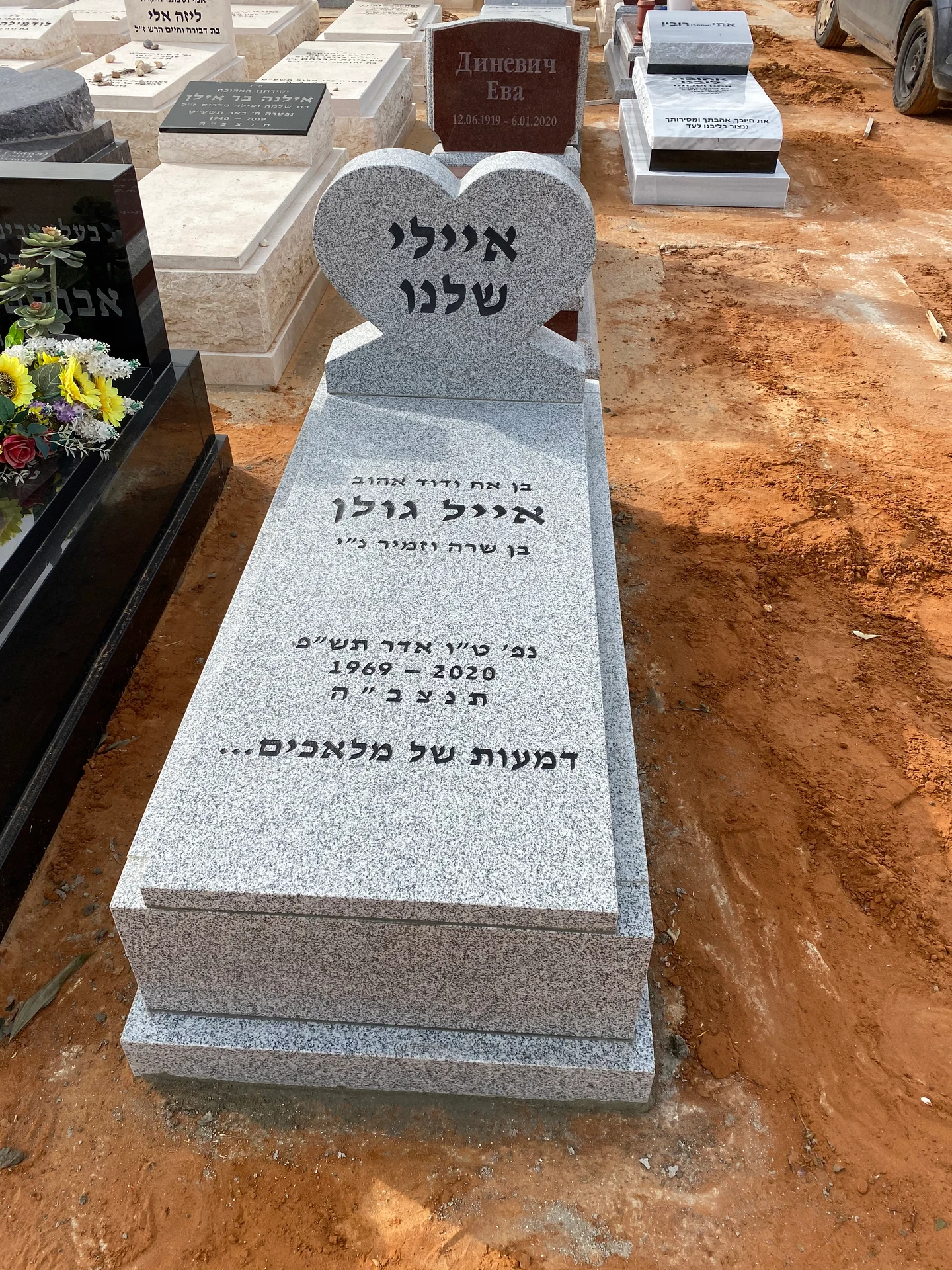
Inscriptions for a Father: Personal Words and Examples
Original inscription examples for a father: short or personal wording, his place in the family and checking names and dates before engraving.
Read the guide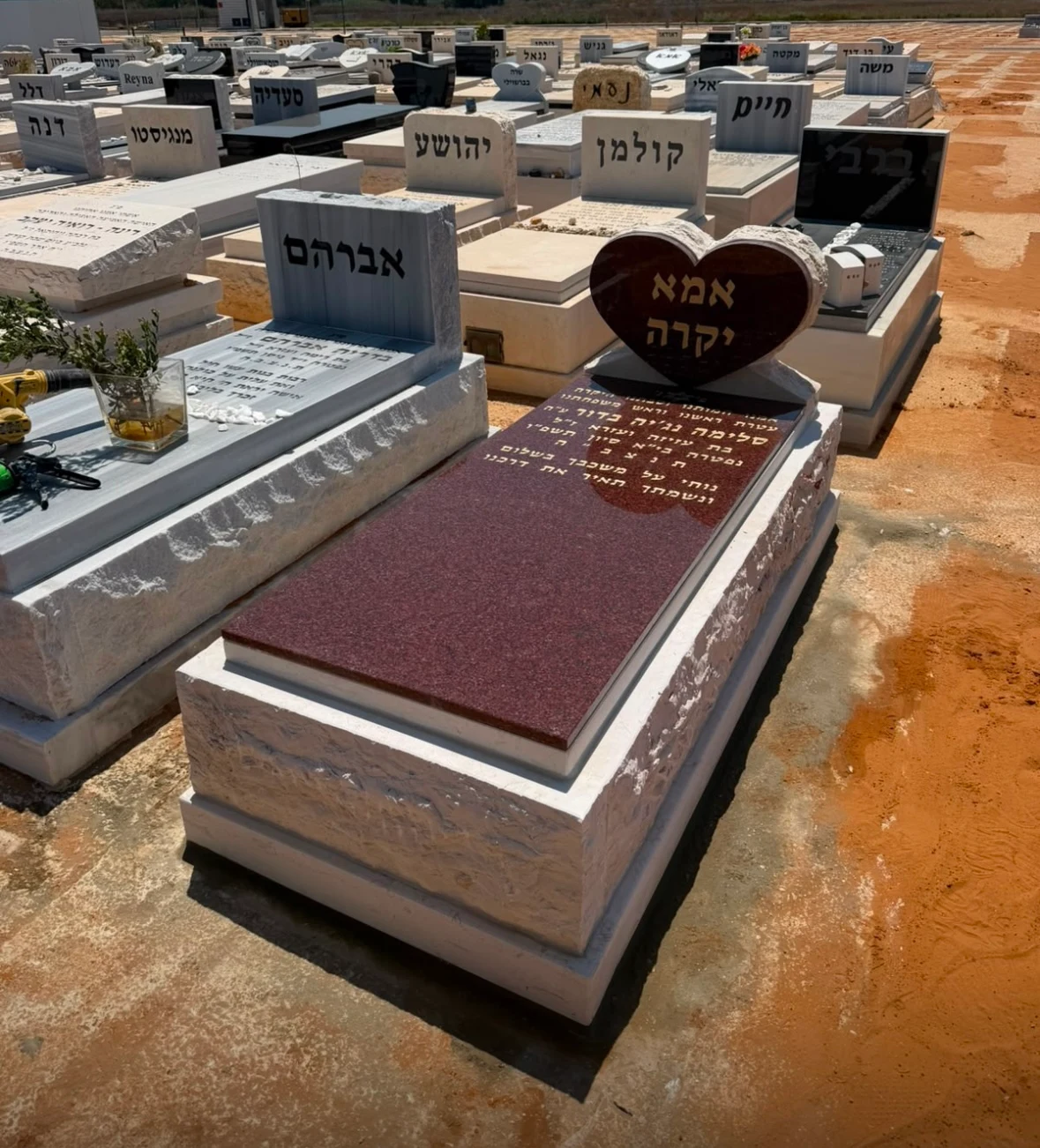
Inscriptions for a Mother: Finding the Words and Planning the Layout
Inscription examples for a mother: choose words that bring her to mind, include names and dates and fit the wording to the design.
Read the guide