Creating a Memorial Garden or Square: A Guide for Families, Communities and Organisations
A thoughtfully planned memorial gives a story a place in everyday life. Connect the family’s wishes, the community’s needs and the site’s conditions, from the first conversation to visits years after installation.
Contents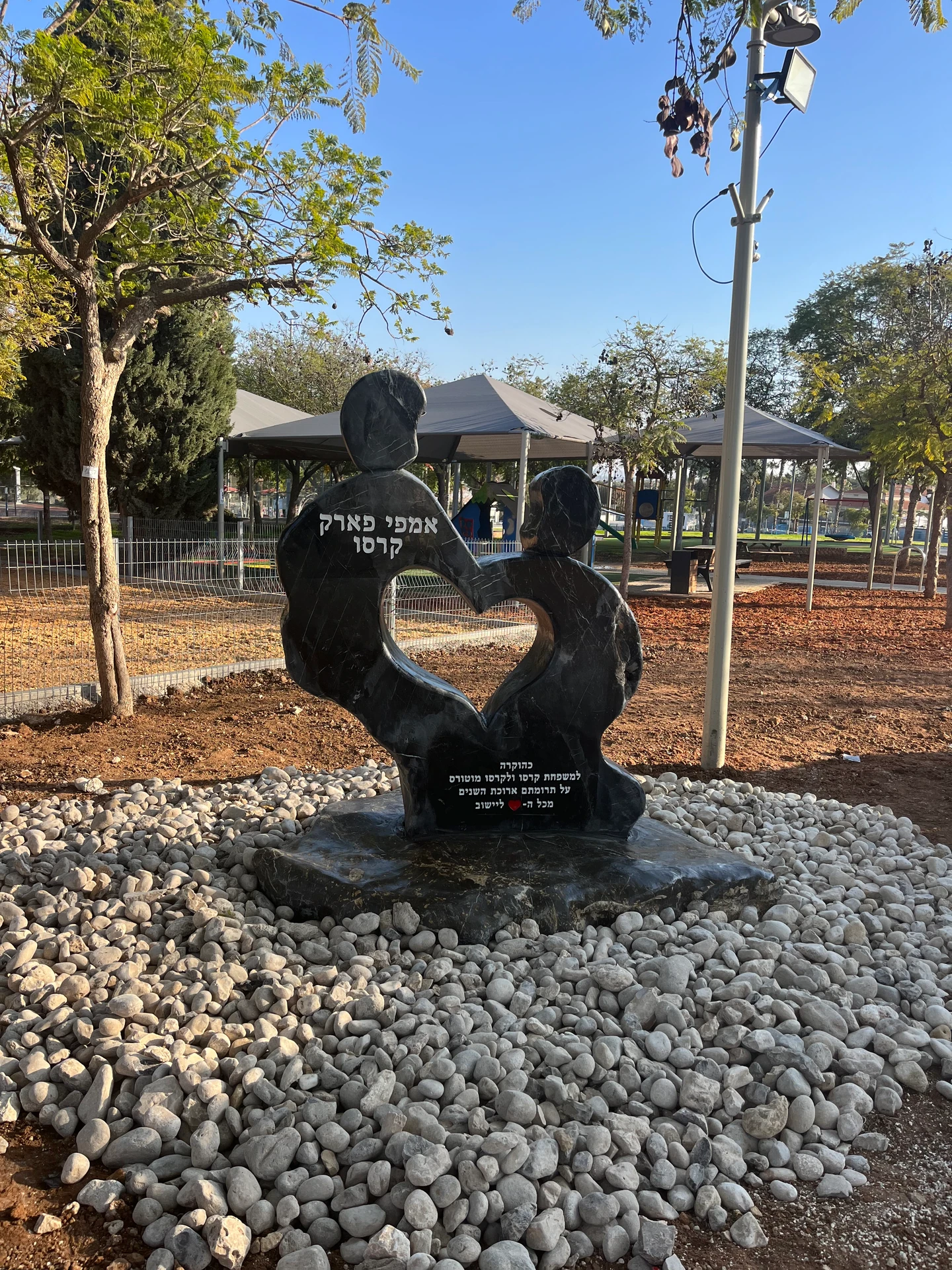
Purpose, partners and the site owner
Stone, words and the space around them
Handover, maintenance and continuity
Contents 17 sections
Before Choosing Stone: What Should the Space Offer?
Before choosing a boulder, bench or inscription, define the purpose of the place. Is it somewhere for one person to sit quietly, a community meeting point, a stop on a walking route or a site for an annual ceremony? A memorial can look impressive in a photograph yet fail to support the intended use. The purpose guides the design: the central feature, the space around it, the approach and how visitors read the words.
Try completing three sentences together: we want to remember this person through this value; we want visitors to be able to do this here; and we want the place to feel like this. A love of nature might suggest naturally shaped stone and seating facing a view. A life in education might suggest an accessible plaque with room for a small group. These are ways to develop a brief, not ready-to-build plans.
Choose one central idea and let the other details support it. Adding a different symbol for every family member's suggestion can overwhelm the story. Longer accounts, extra photographs and personal memories can go into a booklet or memorial page, leaving a clear message in the space itself. Even visitors who did not know the person can then understand the dedication.
A Memorial Corner, Garden or Square?
Similar terms can describe very different visits. A small memorial corner may sit in an institutional courtyard or beside a path. A memorial garden usually combines planting, a route, seating and stonework. A plaque can suit a site with no room for a large sculpture or boulder. Start with the available space and its users, rather than the scale of a project seen elsewhere.
| Setting | Main experience | Question to resolve |
|---|---|---|
| A courtyard or garden corner | Pausing, reading and sitting quietly | Can visitors stay beside the stone without blocking a path? |
| A community memorial square | Gatherings of families and groups | Where will people stand during a ceremony? |
| A memorial feature on a roundabout | Visibility from a distance within the cityscape | Is pedestrian access authorised at all? |
| A plaque in an institution or on a memorial wall | Close reading within a space already in use | Are the wall, lighting and approach suitable? |
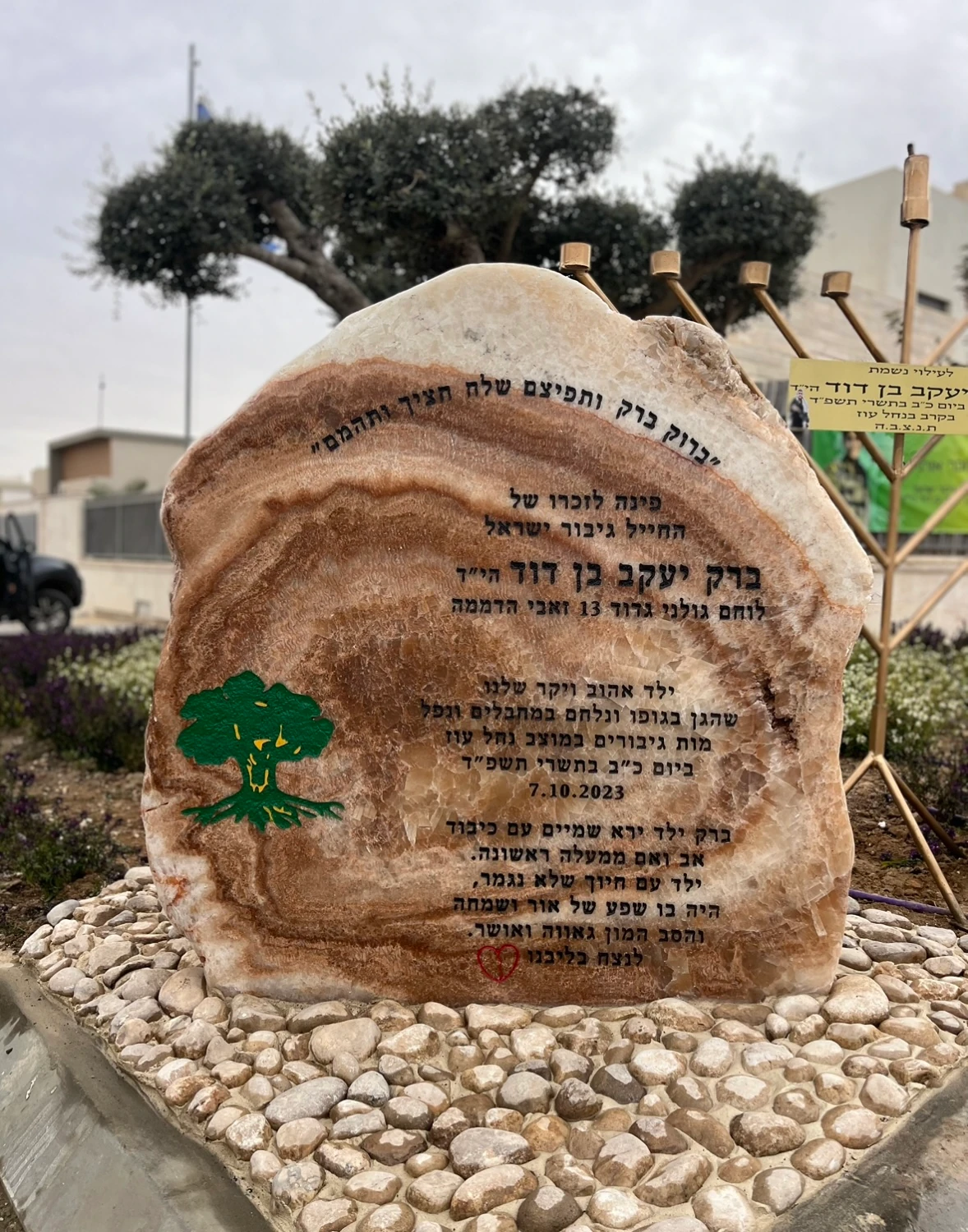
Distinguish a public square from a traffic island surrounded by roads. A roundabout does not automatically allow visitors to approach the memorial or hold a ceremony. Discuss its position, visibility, access and upkeep with the local authority. Where it can only be viewed from a distance, use a clear shape and symbol; the fuller story can be placed at a separate accessible reading point, with the owner's agreement.
Who Takes Part, and Who Gives Final Approval?
Even a small family project has several voices; a community project may also involve management, local officials, donors and professionals. Agree who coordinates requests and who can approve design, wording and payments. This prevents conflicting instructions reaching the maker after a sketch has already been approved.
Hold an initial meeting where each participant explains what matters most, then record the decisions briefly. Separate agreed details from open questions. The name and message may be settled while the location or stone is still under review. Everything need not be decided in one day, but each next stage needs clear prerequisites.
For several people, agree a consistent approach to name order, lettering size, language and text length. A common framework gives respectful, equal treatment even when families provide very different material. Keep one dated, versioned text file, shared by the coordinator, rather than a chain of photographs and messages with no clear final version.
Choosing a Location: Visit before Visualising
A good photograph of a lawn is not enough to plan a memorial. Visit from several directions and record the approach from the car park, the building entrance and the nearest path. Notice what becomes visible as you approach, where people naturally pause and what blocks the view. A tall feature may work from a distance, while a low plaque needs a place to stand close and read. Photograph the wider surroundings as well as the proposed location.
Visit at the times people are likely to use the space. Backlighting can hinder reading, tree shade moves and traffic noise affects the atmosphere even if photographs look peaceful. Note what is fixed and what may change: growing trees, planned development, a gate locked at night or a service-vehicle route. Design for how the place really works.
For the first design discussion, bring a general sketch, known dimensions and photographs with reference points. Professional surveying and utility information follow as needed before work begins. A photograph cannot tell you where excavation or equipment is permitted. Compare possible sites using the same criteria: access, visibility, quiet, care and the character of the memorial.
Coordination and Approvals: Start with the Site Owner
For a public or institutional site, identify the landowner and whoever operates and maintains the space. Present the proposal and suggested location, then ask what coordination process applies. Depending on the site and scope, this may involve memorial, engineering, landscaping, accessibility or traffic teams. Required approvals must be checked for the particular site and design; calling a project a “memorial corner” does not determine the requirements.
One example of a local process appears in theMateh Yehuda Regional Council memorial procedure — opens in a new window, which addresses land ownership, application review and maintenance. It applies to that authority, not the entire country. Ask the authority responsible for your site about current requirements for your own plan.
Separate approval of the commemorative idea from approval of the construction plan. Permission to commemorate someone does not automatically approve the location, size or later additions. Funding or a donation does not replace coordination. Keep approvals and comments in the specification given to the designer and maker so earlier decisions carry through to production.
Access, Approach and Seating: Planning the Whole Visit
The visit begins before anyone reaches the stone. The approach, places to rest and the ability to read the inscription are part of the experience. Consider an older visitor, a wheelchair user, a family with children and a group gathering together. Each should have somewhere comfortable to pause, without plants, loose stones or furniture obstructing the route. Check the accessibility requirements and professional design input needed for the particular site.
If there is a bench, decide what it faces. Facing the stone invites reading and reflection; sitting alongside can open a view and encourage conversation. Leave room for someone who does not use the bench to join the group. In a public place, memorial seating should fit everyday circulation rather than obstruct it.
Readability is part of accessibility. Contrast, text layout and avoiding glare matter as much as letter size. Check the proposed layout at its real size and likely reading distance. If lighting is included, examine the night-time appearance and effects on the surroundings. The aim is a comfortable visit, not merely a well-lit photograph.
Bringing Story, Form and Material Together
A personal story can become a form without depicting every life detail. Music might be suggested by a flowing line or small symbol; connection to a place by naturally textured stone; community remembrance by elements of equal visual weight. Ask what each detail adds. If its role is unclear, leave more space for the part that matters.
At the concept stage, compare two or three genuinely different options. One might be tall and recognisable from a distance, another low and intended for close reading, and a third combine a plaque with seating. Compare their use, upkeep and budget as well as their appearance. A visualisation helps explain proportions, but should be accompanied by dimensions, a material sample and notes on details the image cannot show.
Choose a restrained palette of materials and a clear visual relationship between them. Stone, metal, glass and planting each have their own presence and age differently. Leave quiet space around names and portraits, and judge colours against the actual wall, trees, paving or building. A successful concept stays clear beyond the ideal camera angle.
Stone and Finish: See the Actual Material
When planning a stone memorial, the material's name is only a starting point. For a natural boulder, examine the actual block, outline, visible cracks, texture and potential inscription area. For a worked slab, consider surface consistency, finish and how the front meets the sides. View a real sample and, if possible, the stone intended for the project. A screen image suggests a direction but cannot replace seeing the colour and texture yourself.
Polishing can give stone a formal presence and deepen its colours, but reflections and lettering readability need checking. A natural texture gives a stronger sense of the material, sometimes with a smooth area reserved for the words. No one stone suits every setting: exposure, shape, anchoring and planned maintenance matter alongside appearance.
Ask the quote to specify each component's material, dimensions and finish, and what will be approved from a sample. For several slabs, check joints and expected natural colour variation. Agree how an alternative will be chosen if the stone becomes unavailable. Ourstone selection page introduces materials and approaches. Suitability for the memorial is confirmed after assessing the site and design.
Names, Dedications and Portraits: Giving Each Its Place
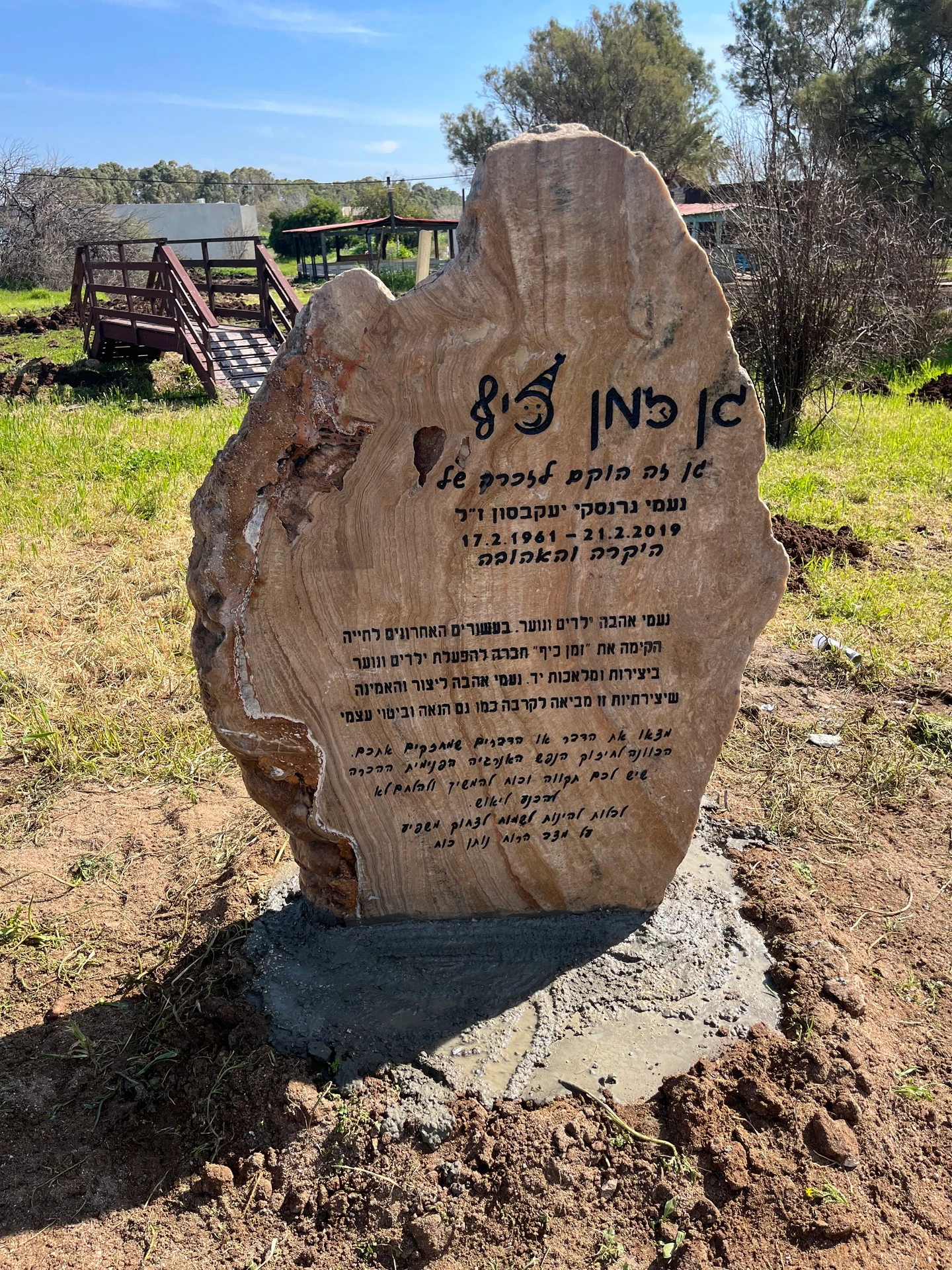
The inscription can reveal the memorial in layers: the dedication at first glance, details as visitors approach, and a story or personal phrase when they pause. Not every line needs to be a heading. Distinguish the name, dates, dedication and donors, with enough space for comfortable reading.
For several languages, finalise every text before designing the layout. Line lengths, punctuation and writing direction differ. Approve the exact arrangement as well as the words. Ideally, two people check names, dates and family relationships independently, with the authorised coordinator recording final approval.
If using a photograph, define its role: introducing the person, recalling a moment or supporting the story. Choose a good source and confirm permission to use it. One plaque need not contain every photograph. Ourportrait and photograph guide covers file selection, techniques and approval stages. If names may be added later, reserve space and a method for a consistent continuation.
The Surroundings: Planting, Paving and Lighting
A memorial extends beyond the edge of its stone. The surrounding ground, its meeting with the base and the planting affect appearance and care. Define areas for walking, staying and viewing only. Pebbles can frame a memorial but are not automatically a suitable approach surface. Walking surfaces and drainage must suit the site and its use.
Planting can soften the transition between stone and its surroundings, define an edge or provide shade. Consider each plant’s mature size, care needs and position in relation to inscriptions and other features. A small plant may eventually hide a plaque. Agree who will water, prune and replace plants, including during periods with fewer visits. A modest, manageable planting scheme is better than a garden no one can maintain.
Lighting should make reading and spending time here comfortable, without glare. Establish where wiring and connections run, who maintains them and how they can be reached. Existing light may be enough, or changing the stone's orientation may solve the problem without another fitting. For more on stone, planting and seating, read our guide to headstones with planting; for public settings, adapt these principles to the scale and professional design required.
Budgeting for the Entire Project
The cost of a memorial space depends on planning, materials, shaping, lettering and site conditions. Similar-looking works may need very different access, transport or groundworks. Prepare a component list and request a clear quote for each part. A general price without site details and specifications can create unrealistic expectations.
| Area of work | What to clarify |
|---|---|
| Design and coordination | Survey, alternatives, visualisations, working details and included revision rounds |
| Stonework | The specific stone, dimensions, shaping, finish, joints and inscriptions |
| Related site work | Foundations, paving, planting, irrigation, lighting and furniture as needed |
| Transport and installation | Access, equipment, site coordination and protection of the surroundings |
| Handover and ongoing care | Final cleaning, documentation, warranty and ongoing care instructions |
List separately any work by others, unresolved site conditions, VAT where applicable and the procedure for approving changes. With a limited budget, reduce the number of components or plan phased delivery. Preserve the main element's quality and suitability rather than adding details without funding for their installation and care. Agree how ongoing maintenance will be funded, especially for a memorial donated to an institution.
From Idea to Handover: When to Approve Each Stage
- Define the project. Gather the purpose, site, participants, budget and photographs. Identify missing information and who will obtain it. Assess feasibility without fixing details that still depend on site approval.
- Choose a concept. Compare designs against the story, dimensions, use and maintenance. Record the decision and requested changes. A visualisation is most useful when it includes paths, surroundings and seating, not just the stone.
- Approve the working details. Complete the professional design and required approvals, confirm materials and inscriptions, and agree each contractor's responsibilities. This stage should produce information the team can build from, rather than just a picture or verbal discussion.
- Produce the work and prepare the site. Agree progress updates, confirm site readiness and settle transport and installation conditions. Changes during production must be assessed for feasibility, cost and timing before proceeding.
- Inspect and hand over. Check the ordered details, appearance and wording, and list any outstanding work. Document the result, obtain care instructions and agree who to contact afterwards. Final ceremony arrangements should follow a clear handover date.
Mention any important memorial date or community event at the start. Plan backwards and allow time for inspections and final adjustments. A preferred date is a planning constraint, not permission to skip unfinished stages. With several suppliers, clarify what each needs before starting.
Three Illustrative Design Scenarios
A family memorial in an institutional courtyard
One possibility is a plaque or boulder at a comfortable reading height, with a seat overlooking existing planting. The focus is an intimate atmosphere and a natural approach. Check opening hours, maintenance responsibilities and permission to use the courtyard. The longer story can be shared at a family gathering, with a short, meaningful line on the stone.
A community memorial space
Arrange several memorial elements around a gathering area, giving them a shared language without losing individual stories. Allow for both daily visits and groups. Key questions concern names, future additions, ceremonies and who represents all the families in decisions.
A feature on an urban roundabout
If the site is approved for viewing from a distance, a clear silhouette and a few large details may work best. Traffic, visibility and maintenance are planned with the authority and relevant professionals. Do not plan for visitors to stay on a traffic island without an approved arrangement. A separate accessible information point can connect the symbol with its story.
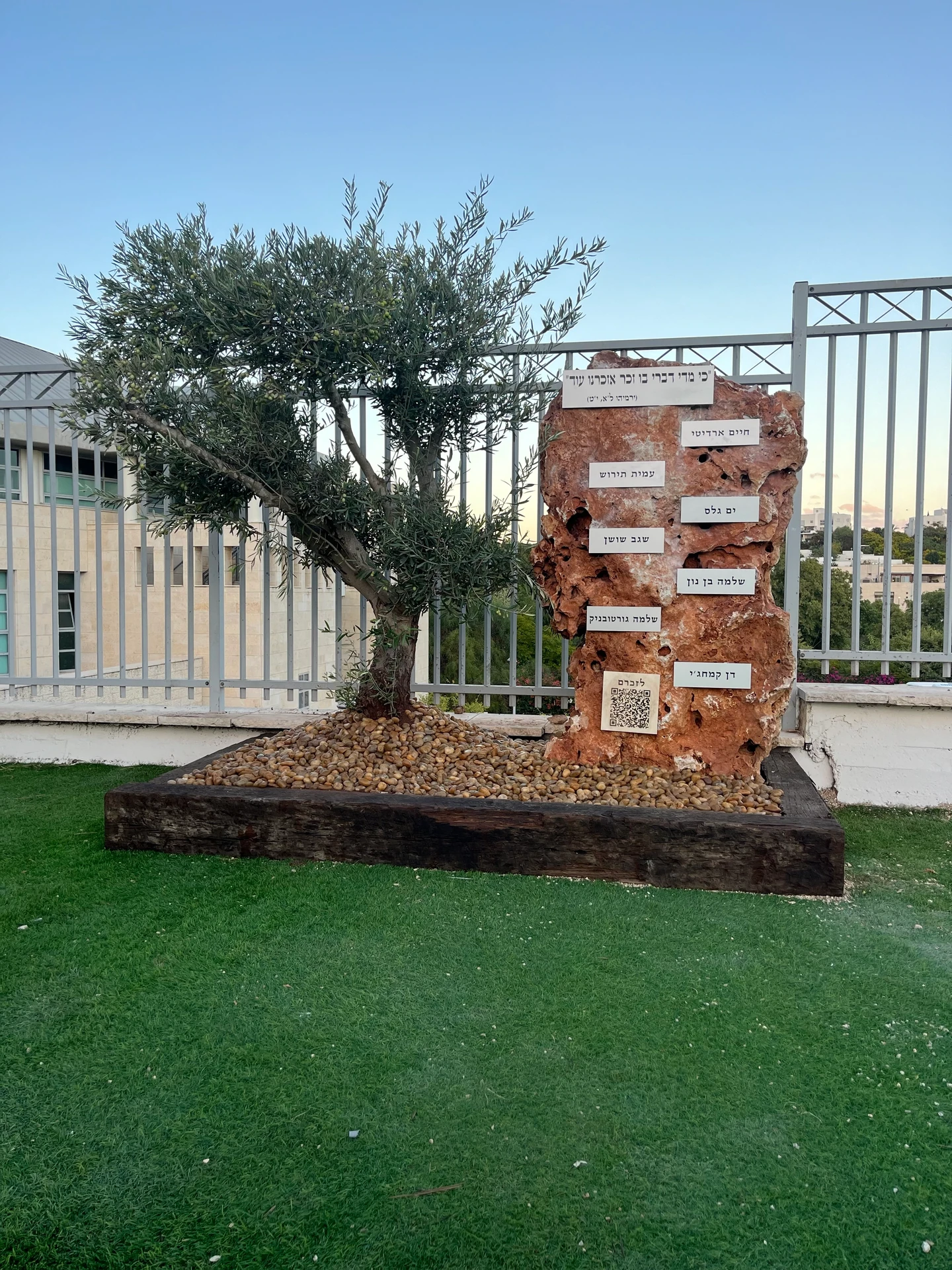
These scenarios help formulate questions; they do not replace a site assessment. The photographs show real stonework from Rubi's gallery, not completed versions of these hypothetical examples. Browse thememorial gallery to identify details you like and discuss adapting a new idea to your setting.
An Indoor Memorial Plaque: Plan for Everyday Use
At a school, community centre or workplace, people may encounter a memorial plaque while passing through a corridor or waiting at the entrance. A group may gather only on certain dates. Decide which experience matters most. For brief everyday reading, a clear name and dedication may be enough. For learning, consider a fuller account at a point where people can stop comfortably.
Before choosing a plaque, record the wall and surroundings: door openings, furniture, signs and lighting. Consider how events change the space, such as chairs filling a corridor. Check the wall and fixing method with the professionals and building management. Even a simple installation must fit daily use and allow access for installation and care.
Agree how institutional symbols, dedications and donors relate to the person remembered. Set their visual priority so they do not compete with the main name. If more people or groups will be included, record lettering size, name order and expansion rules. Keep the layout and rules in the project file so they survive staff changes.
Include someone familiar with everyday use, such as a caretaker, community coordinator or manager. They may spot issues a sketch misses, including glare at a particular hour or difficulty standing beside the plaque during activities. Visit ourmemorial plaques page for ideas, then select an approach suited to the wall, content and visitors.
Handover and the Years Ahead
At handover, bring the approved specification and someone familiar with the decisions. Check names and wording against the final file, materials and finish against the agreement, and positions against the plan. Look from a distance and from likely visitor positions. List outstanding items together, with a responsible person and completion date for each.
Request a simple handover pack: photographs, material details, contacts, warranty terms and care instructions for the installed elements. For an institutional project, give the maintenance team a copy so the information survives staff changes. Agree who may approve later alterations or additional inscriptions.
Care begins with observation: are plants obscuring the words, has dirt accumulated, or has a component changed? Set inspection and care intervals for the setting and materials. Do not assume a garden cleaner is safe for stone, portraits or metal. Follow the supplied instructions and seek professional help when needed. A memorial remains cared for when responsibility continues beyond the ceremony.
A Planning Sheet for Your First Meeting
Bring a story, a possible location and organised questions; a finished solution is unnecessary. The planning sheet gathers who is remembered, who will visit, what matters to the family, what is known about the site and what still needs checking. Fill it in together and leave unanswered fields open rather than guessing.
Bring site photographs, two examples you like and one that does not appeal to you. Explaining why a detail matters is more useful than collecting many images. Bring draft wording as editable text and any documents from the site authority so discussion rests on actual conditions.
Memorial space planning sheet
Questions about the site, design, participants and care. Complete it in the browser and print it; the information is not sent to the website.
Open and print the planning sheet — opens in a new windowDownload a copyQuestions about Creating a Memorial Space
Can we choose the stonework before the location?
You can explore ideas first, but approve dimensions, connections and construction once the location and conditions are known. A late change of site may alter proportions and installation. Begin with at least a possible location and agreement in principle from whoever manages it.
How does a plaque differ from a memorial monument?
A plaque usually focuses on text on a defined surface; a monument can express memory through volume, silhouette and space too. They can be combined. Choose according to the story and the opportunities to approach, read and spend time there.
Does a distinctive memorial need a large symbol?
No. Carefully chosen stone, personal words and balanced proportions can create a place with real presence. Its character comes from the relationship between the story and setting. A prominent symbol works when it strengthens that relationship and suits the site.
How do we compare quotes from different suppliers?
Give every supplier the same location, dimensions, preferred material, wording and additional elements. Check what design, production, transport, installation and warranty each includes. Clarify any undefined area before comparing totals.
Can we leave room for more names later?
Yes. Reserve space or use separate components from the concept stage. Define the extent of future expansion and the lettering rules. The design should still look complete while the reserved area remains unfilled.
Have a place you would like to turn into a memorial?
Send a photo of the site, the story you want to commemorate and the project’s scope. We can start by discussing the stonework and design possibilities.
Related information
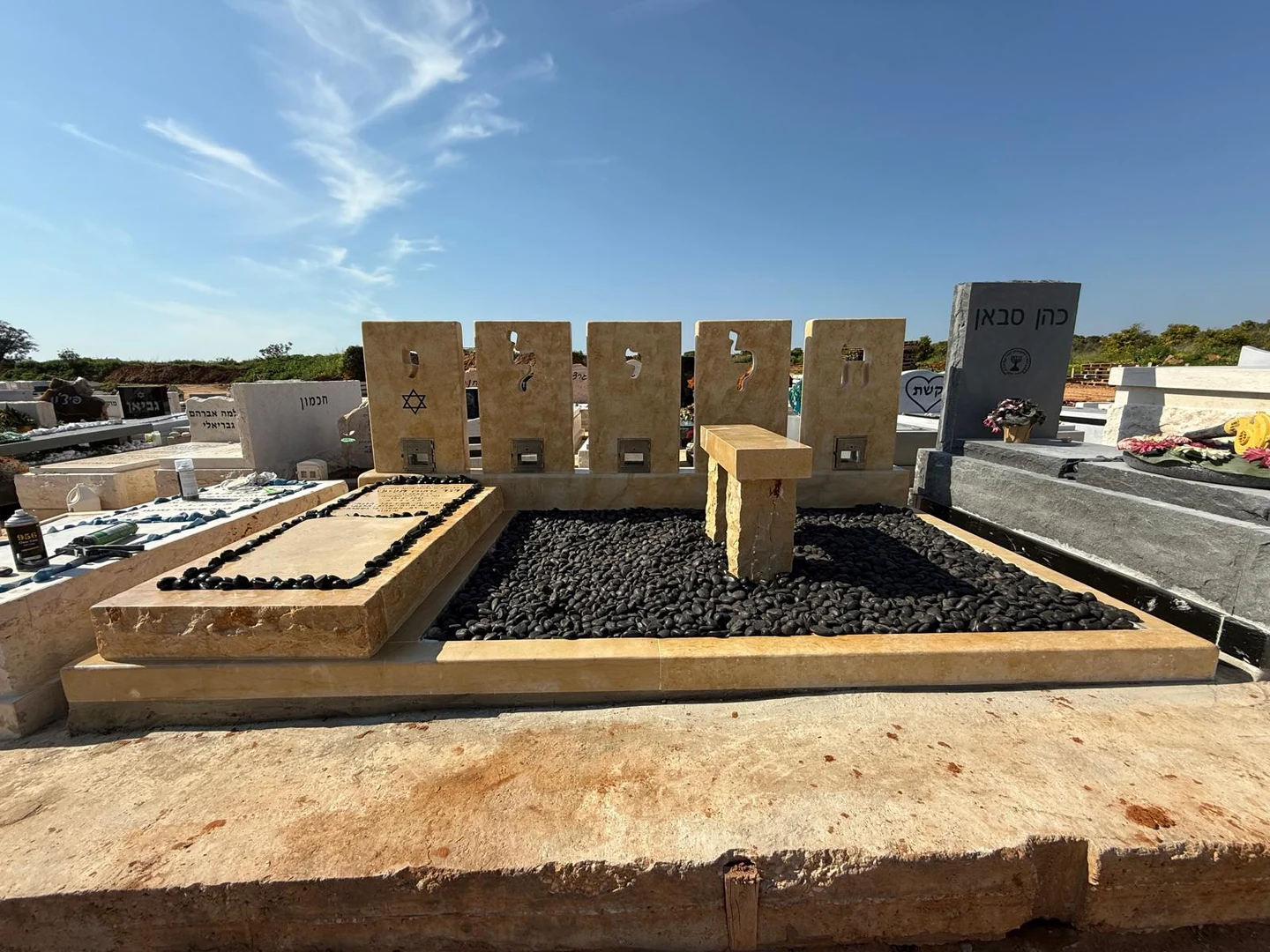 Image awaiting review
Planning a Memorial or Plaque: From the First Idea to Installation
A guide for families, communities and institutions to choosing a location, material, inscription and budget for a memorial project.
Read the guide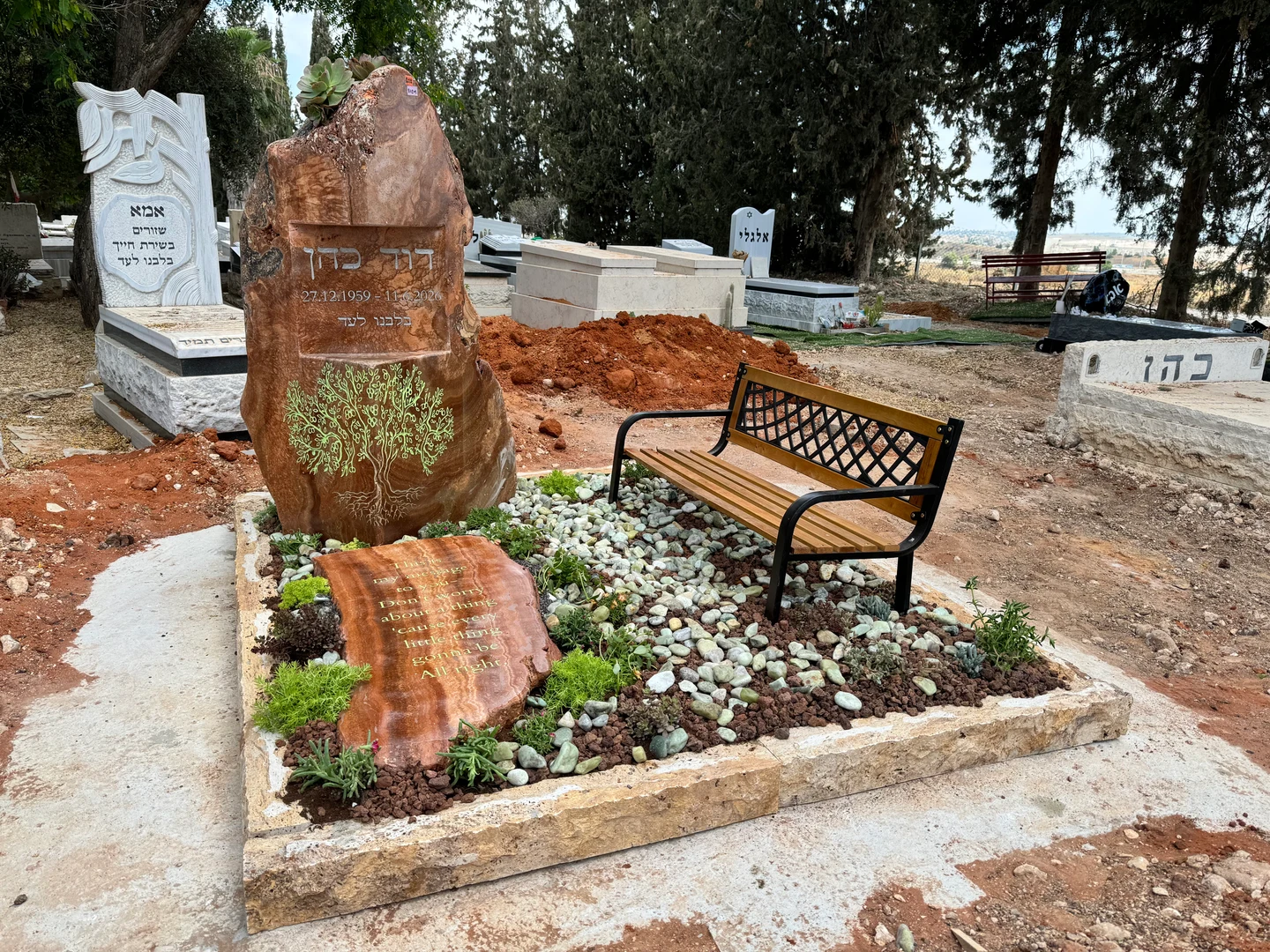
Headstones with a Garden: Plants, Pebbles and Seating for a Place of Remembrance
How do you plan a headstone with planting and seating? Explore planting areas, pebbles, benches, cemetery coordination and care, with three design scenarios and original photos.
Read the guide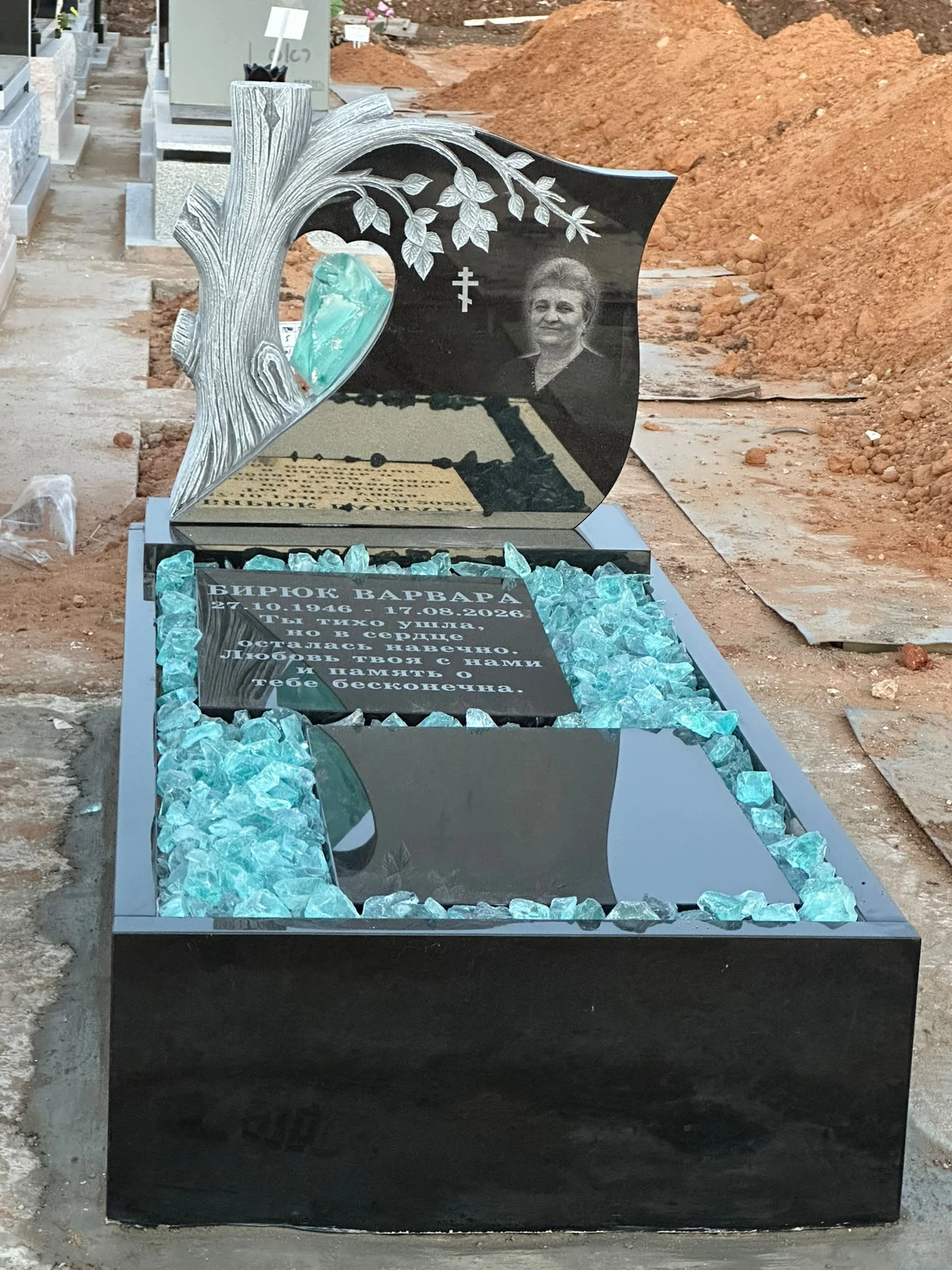
A Portrait on a Headstone: Choosing a Photograph for Engraving, Glass or Ceramic
Choosing a portrait for a headstone: source-photo quality, cropping without losing likeness, engraving, glass and ceramic options, placement and approval before production.
Read the guide