Headstone Restoration: What Can Be Preserved and What Needs Repair?
An ageing headstone may need cleaning, renewed lettering or structural repair. Start with an assessment so you do not pay for work that misses the problem.
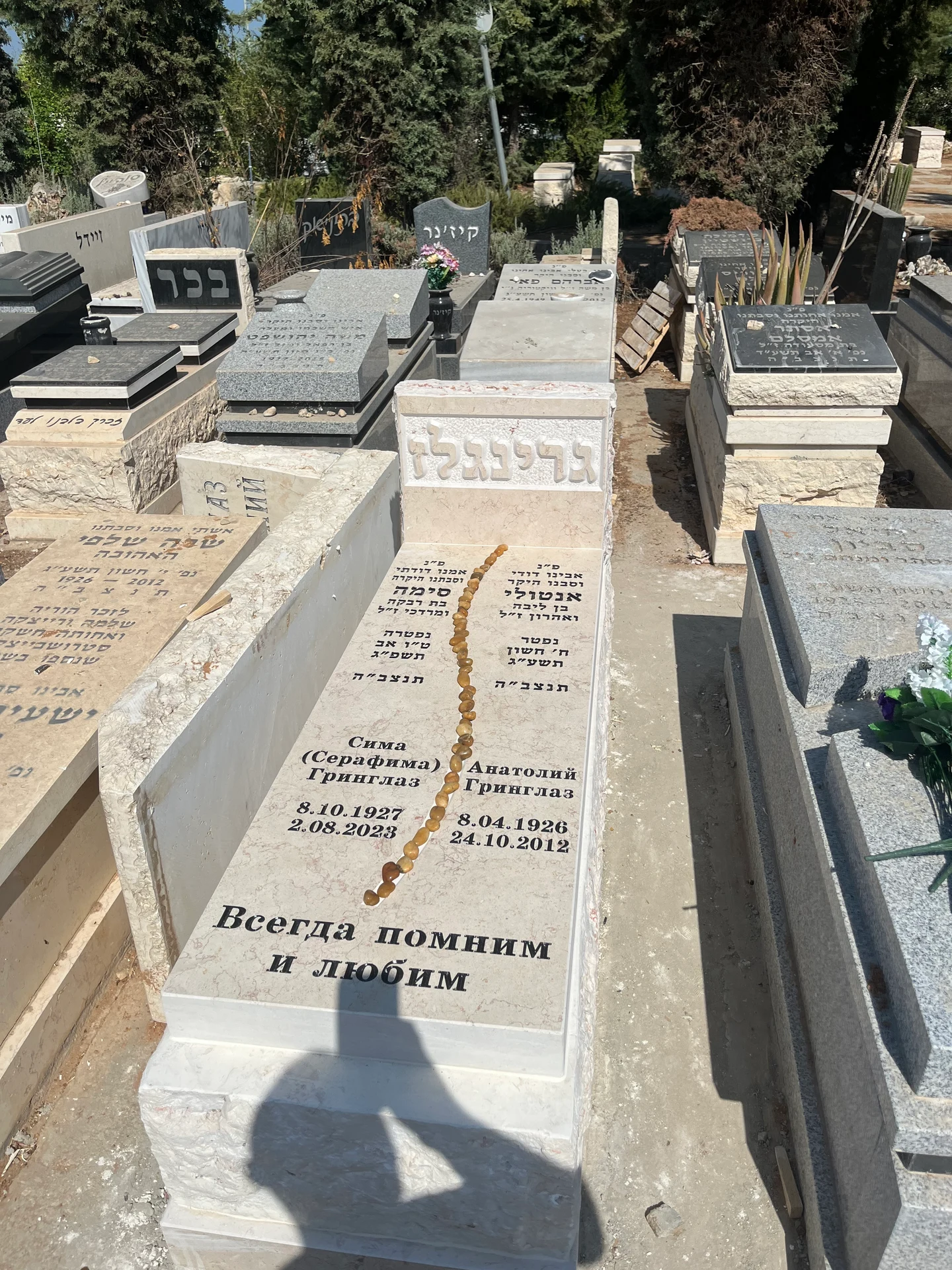 Image awaiting review
First, Assess the Headstone's Condition
An older-looking headstone does not necessarily need replacing. It may simply be dirty or have faded lettering; in other cases there is a crack, an open joint or a displaced component. Before deciding on the work, distinguish an appearance problem from a stability problem.
For an initial assessment, photograph every side, the base and any damaged areas. Include the cemetery and plot details. If you know when the headstone was installed or which stone was used, tell us. Photographs help with an assessment but do not always replace an on-site inspection.
Do not try to move or straighten a loose or leaning stone yourself. Contact a professional and coordinate the work with the cemetery management. Even an apparently minor problem may involve the base or fixings.
Cleaning, Restoration and Repairs: Different Types of Work
Cleaning removes dirt using a method suited to the material. Renewal may include renewing the finish or faded lettering. Repair may involve replacing components, repairing joints or working on the base, depending on the inspection findings.
Ask for the individual tasks to be listed, rather than a quote that simply says “restoration”. Will the work cover the whole headstone or just one slab? Is lettering included? Does anything need replacing? Will a second visit be needed? These details explain what you are paying for and what the result should be.
Preserving the Original Stone and Inscription
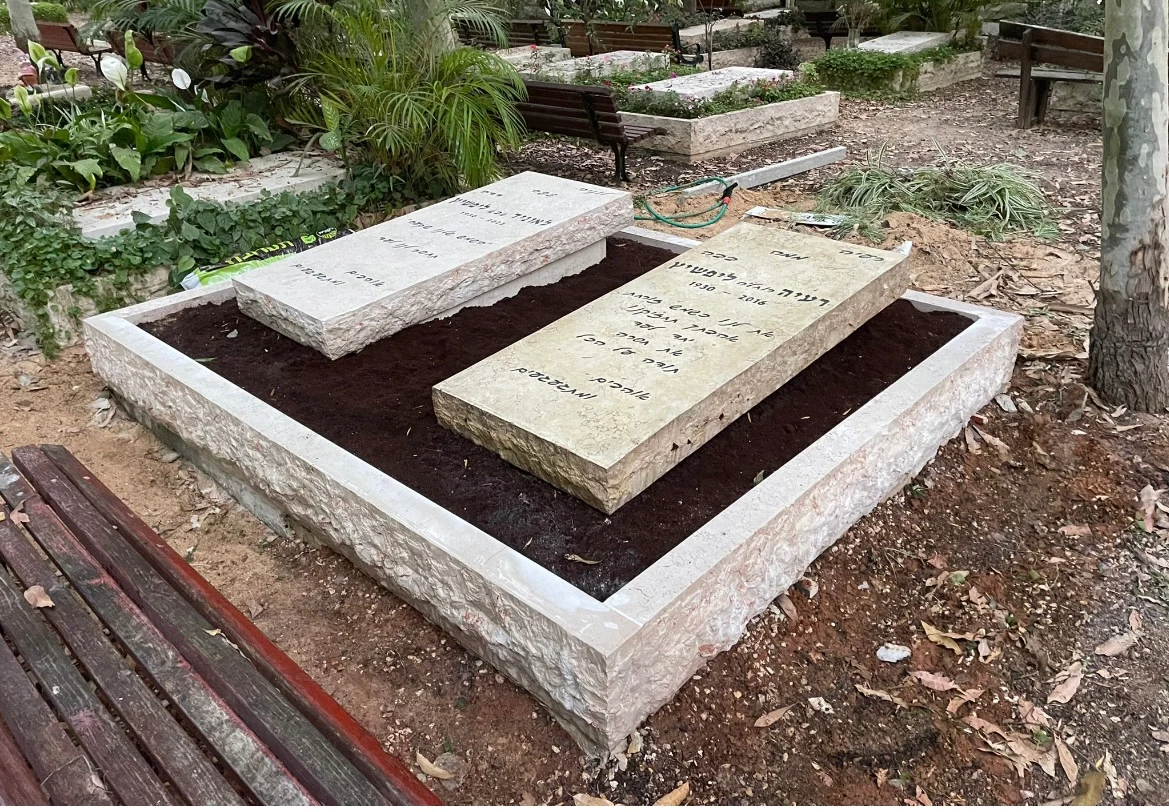
Before altering an inscription, take clear photographs of all the wording and decoration. Approve any addition and its position separately. For a family headstone, consider the whole composition so a local repair does not create an unwanted difference between its parts.
Not every mark in stone should be removed. Changes in colour and texture may be part of the material and its ageing. Ask what result is achievable and what limitations apply. A promise to make any stone look new, without examining it first, is not a sound basis for a decision.
A headstone of historical or artistic value may require a conservation specialist and appropriate approvals. In that case, the aim may be to preserve the original material rather than make the surface look new.
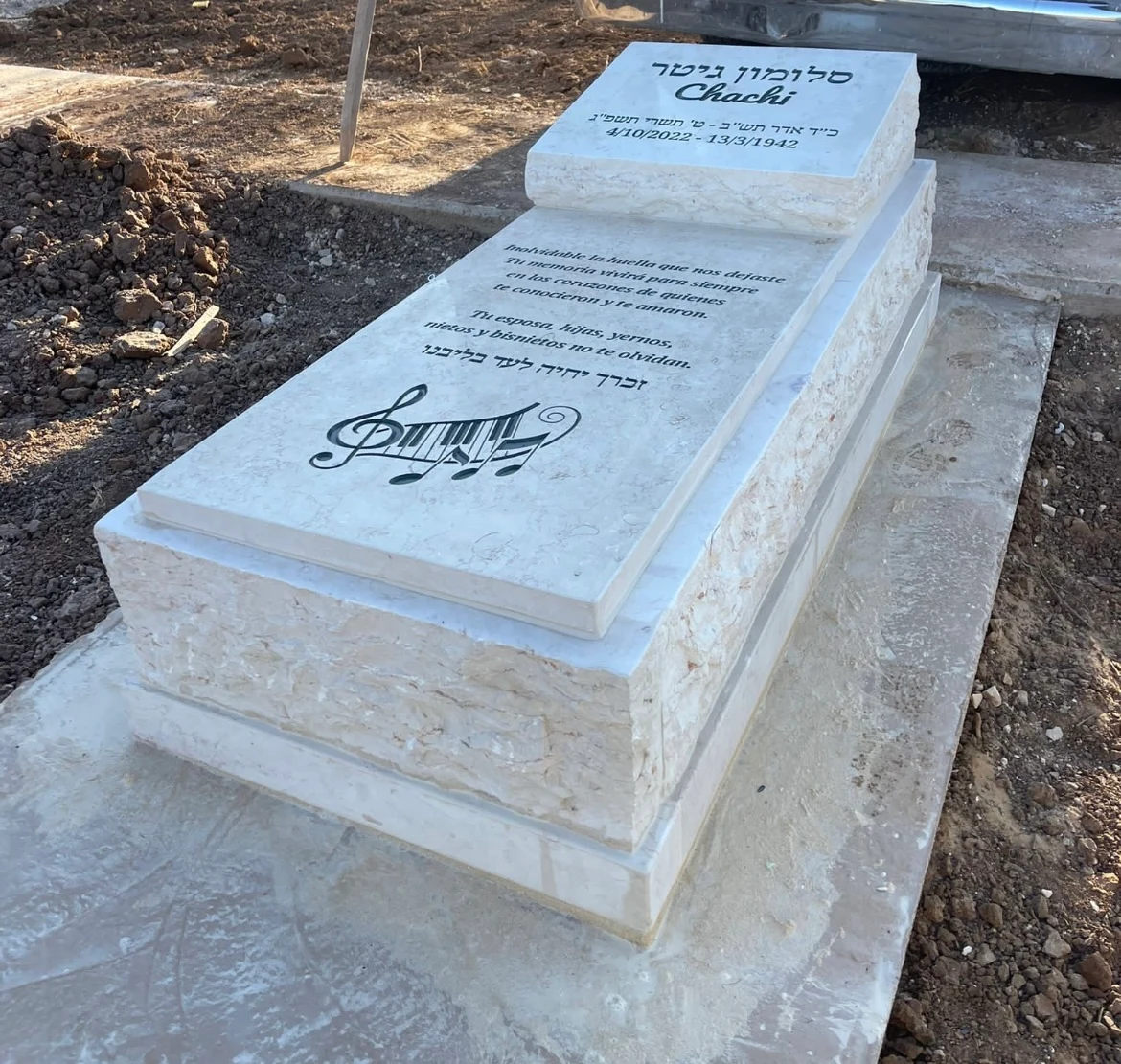 Image awaiting review
Treatments That Must Be Matched to the Stone
US National Park Service conservation guidance warns that bleach, strong acids, abrasive tools and pressure washing can damage stone. This guidance concerns particular types of headstones; it is not a treatment instruction that automatically applies to every headstone in Israel.
Identify the stone and finish, then choose a treatment suited to their condition. Do not mix cleaning products or use household descaler simply because it is available. A professional inspection is especially important when the stone is crumbling or cracked, or has old layers of paint.
Commissioning Work and Checking the Result
Begin with photographs and a description of what you need: cleaning before a memorial gathering, restoring letters, repairing damage or adding an inscription. Give your preferred date before agreeing the work. Some jobs need several stages and cannot be completed in one visit.
- Approve a precise list of tasks and components.
- Agree who will coordinate with the cemetery.
- Check what removal and clean-up are included.
- Compare before-and-after photographs taken from the same angles.
- Obtain care instructions and warranty terms for the work completed.
Rubi can assess lettering restoration, stone finishing and repairs according to the headstone's condition. Recommendations follow an examination of the material and damage, rather than a generic service package.
Have a question about your headstone?
Ask Rubi about stone, inscriptions and options, free and without obligation.
Related information
Caring for a Headstone Yourself: What to Clean and When to Stop
Headstone care at home: inspect before cleaning, remove dirt gently and distinguish maintenance from repairs to stone, lettering or joints.
Read the guide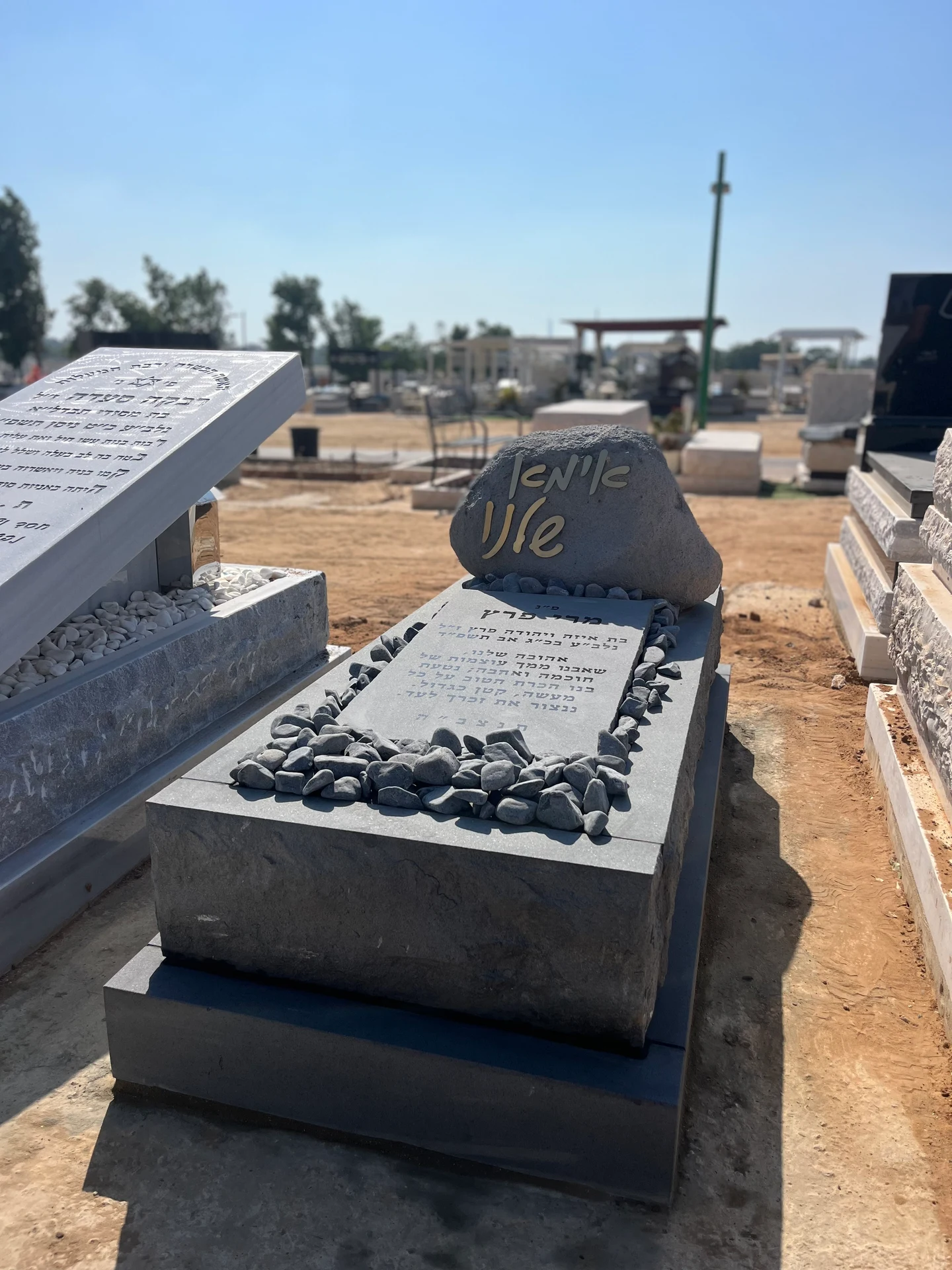
Repainting Headstone Lettering: What to Check First
Repainting headstone letters: identify the engraving and old paint, match the stone and distinguish refilling from repairs. What to photograph and ask before work.
Read the guide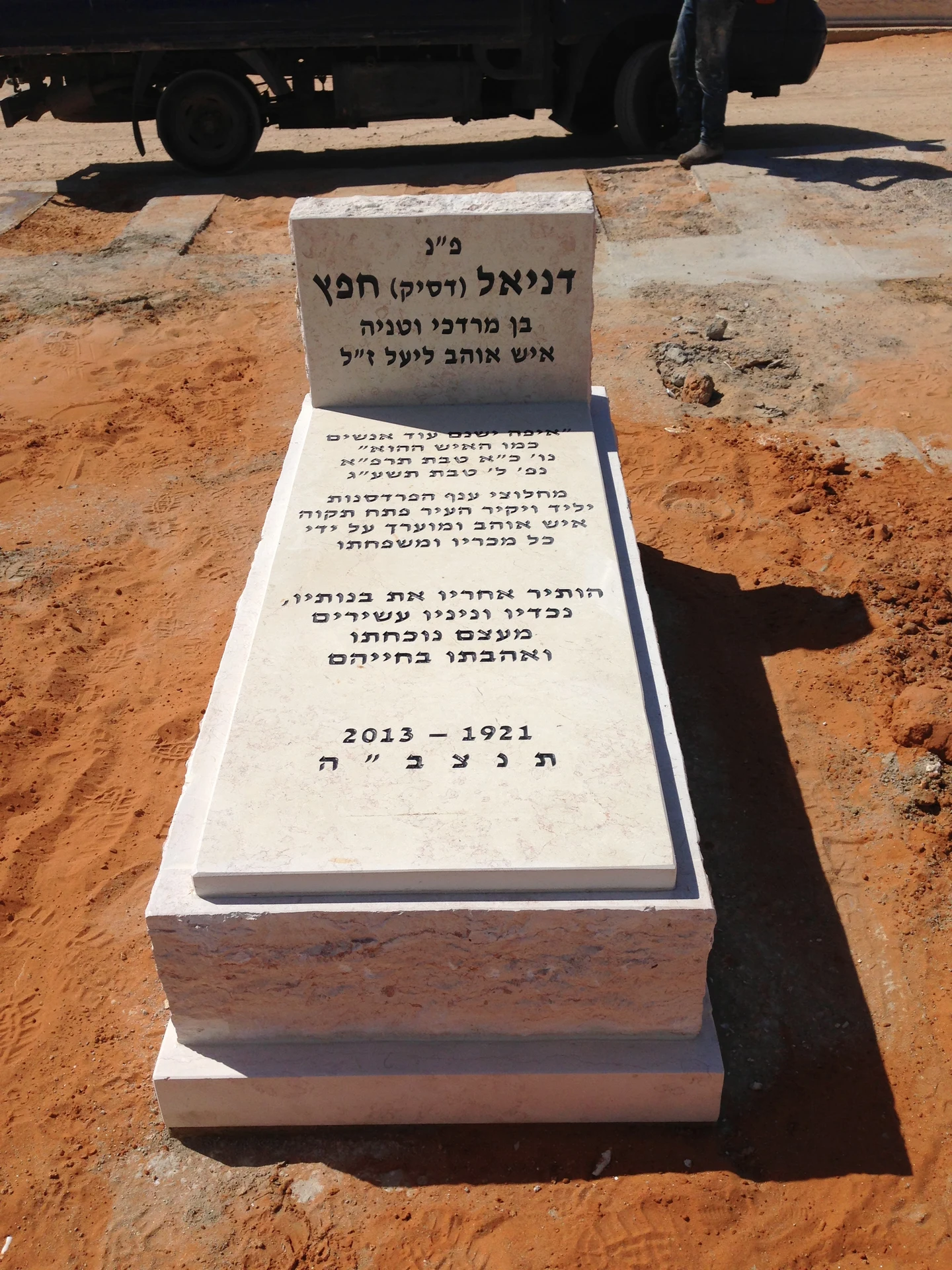
Choosing a Headstone Maker: What to Check
Choosing a headstone maker: previous work, cemetery requirements, written quotes, wording approval and schedules. Practical questions before ordering and paying.
Read the guide