Headstones Explained: Types, Stone, Design and Pricing
Headstones can look very different, but the important differences go beyond colour and shape. This guide considers burial arrangements, materials, design and the work involved, helping you compare options and understand what suits your family.
Contents 18 sections
Three Ways to Compare Headstones
Headstone names often describe different aspects of a design. “Double” refers to two people or burial spaces; “granite” describes the material; “book-shaped” describes the form. All three can apply to one memorial, so a long model list alone does not explain the choices.
A useful order is burial type, then material, then design. The plot and burial arrangement define the space. The stone determines colour, pattern and shaping options. The design brings together the components, inscription and personal details. Price and maintenance are then assessed for that particular combination.
A family might want natural stone for a double grave or a pale, straight-lined design for a single grave. Establish the requirements before looking for the “right model.” This guide separates the categories, then brings them together through comparisons and examples. For a step-by-step ordering guide, see the complete headstone planning guide.
Headstone Types by Burial Arrangement
Scroll the table sideways to see every column.
| Type | Design scope | Key question before design |
|---|---|---|
| Single-grave memorials | A design for one burial space and one person’s inscription | What are the plot dimensions and required components? |
| Double or shared memorials | Two remembrance areas, shared or separate according to the site | Are the graves adjacent, and what space is reserved for each name? |
| Layered-burial memorials | Design for burials at different levels within the same footprint | What access and future work must be allowed for? |
| Wall and niche memorial plaques | An inscription plaque within a specified burial system | What is the plaque specification, and who approves material and installation? |
| Family memorials | A shared design for several inscription areas or plots | Which components may be shared, and which must stay separate? |
Families may use the same terms to mean different things. If someone says “double”, clarify the burial arrangement. Two names on one headstone do not prove that the graves lie side by side. Check the plot documents and cemetery instructions rather than inferring the arrangement from the stone's shape.
Requirements can differ even within one burial category. Dimensions and installation methods at one cemetery are not universal standards. See the dedicated guides to double memorials, layered-burial memorials andniche memorials set out the questions for each type.
Recognising Different Design Styles
Straight lines
An upright and base with clear geometric lines, balanced proportions and space for the inscription. Patterned stone can still produce an understated result.
Natural boulder
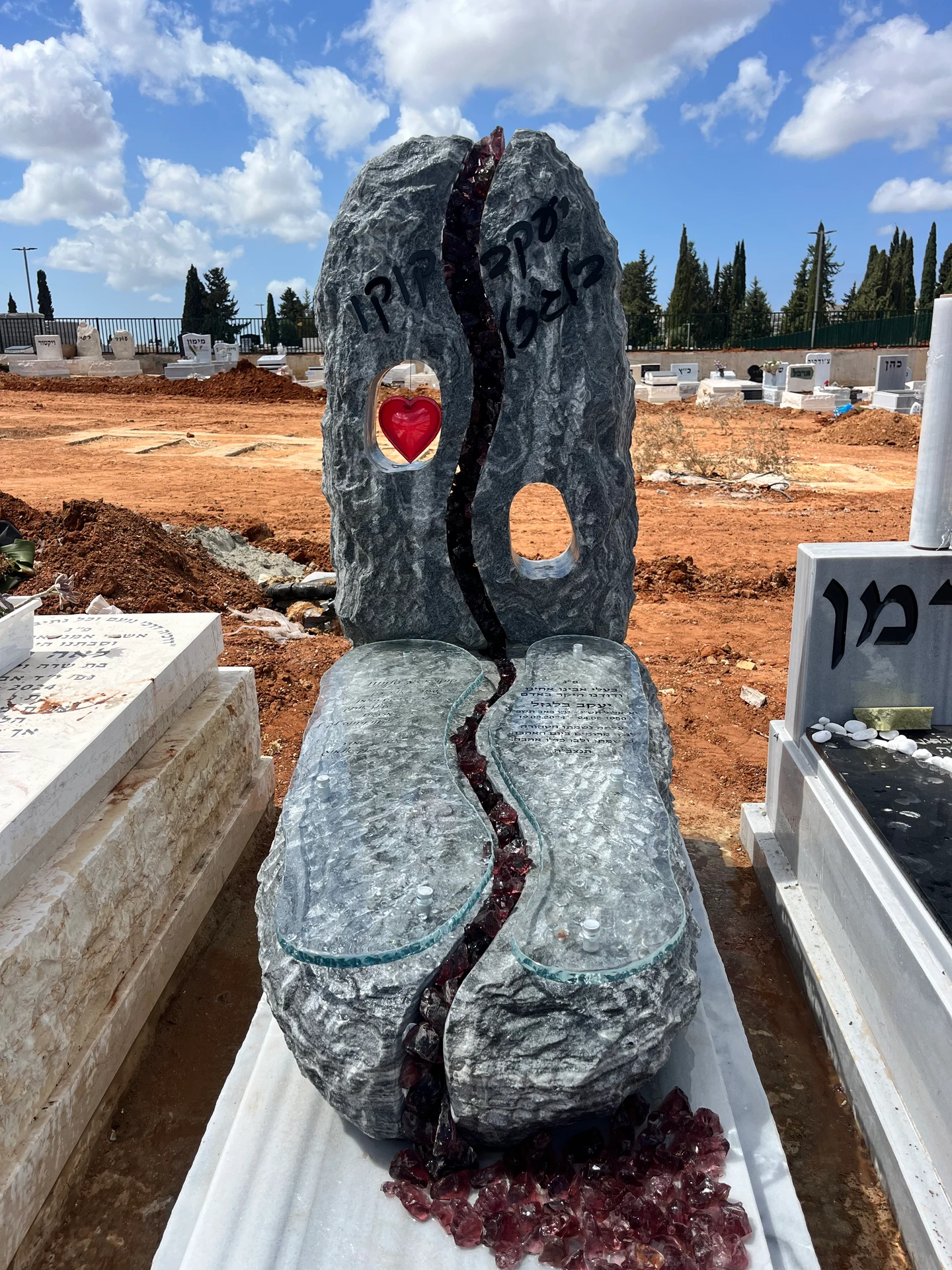
The stone’s own shape becomes part of the design. Place the name and worked surfaces around the actual block.
A rounded or curved upright
Softer outlines can be paired with a simple base. Check how the curves affect the space available for lettering.
Book and heart shapes
Recognisable shapes give the memorial a distinct character. Keep names readable and the symbol in proportion to the rest of the design.
Personal sculpture
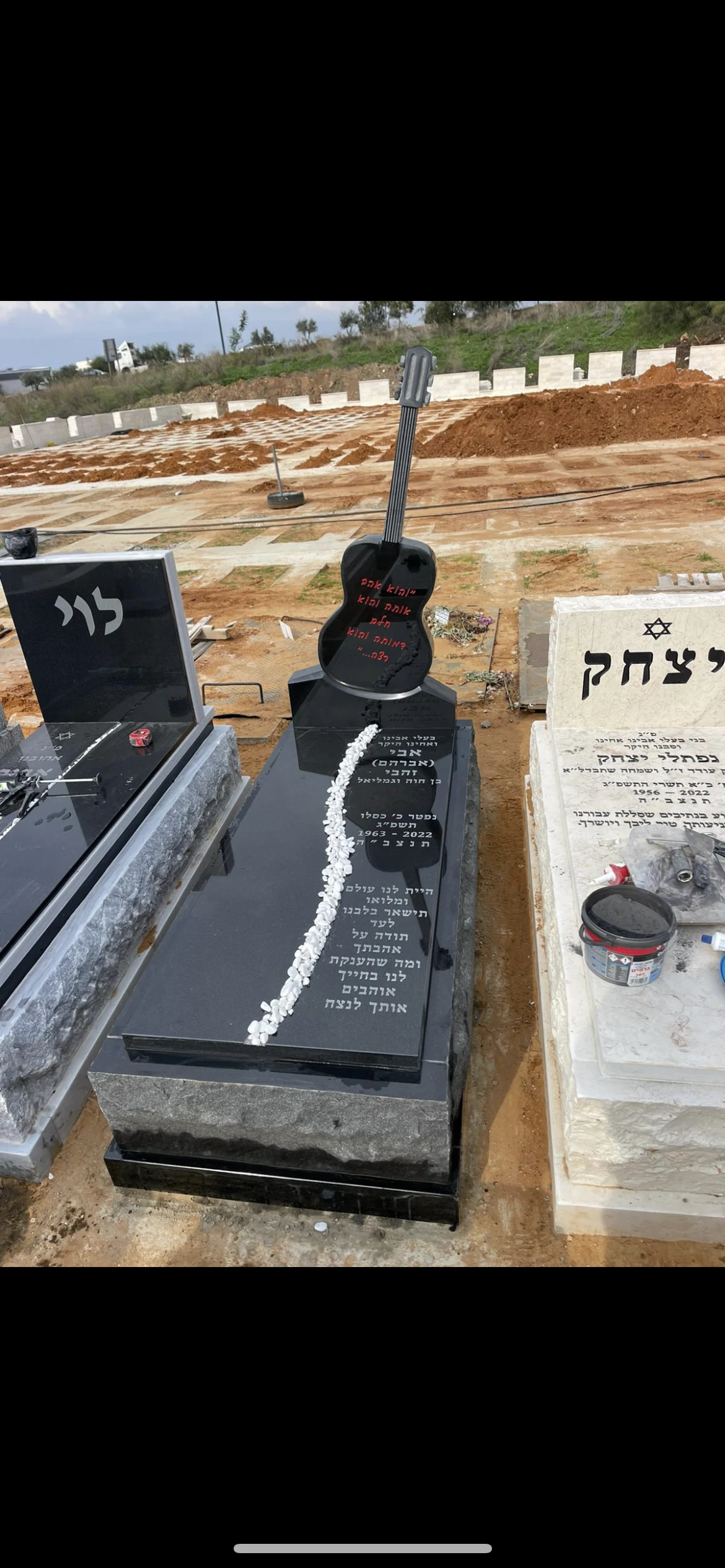
A detail from the person's life becomes a three-dimensional feature. Assess material, fabrication, connections and site requirements as well as appearance.
Mixed materials
Stone with glass, metal or another material. The quote should identify every component and its role.
These design groups are neither price bands nor a measure of respect. Each can be simpler or more elaborate. A small change to the upright may provide the character you want; in another project, an unusual stone may lead the whole design. Begin with two directions and identify what attracts you to each.
Styles can be combined, such as a simple base with a natural boulder upright. Before adding another idea, ask whether it supports the composition or distracts from it. Too many focal points make the important details harder to see. More examples appear in ourthe illustrated style catalogue.
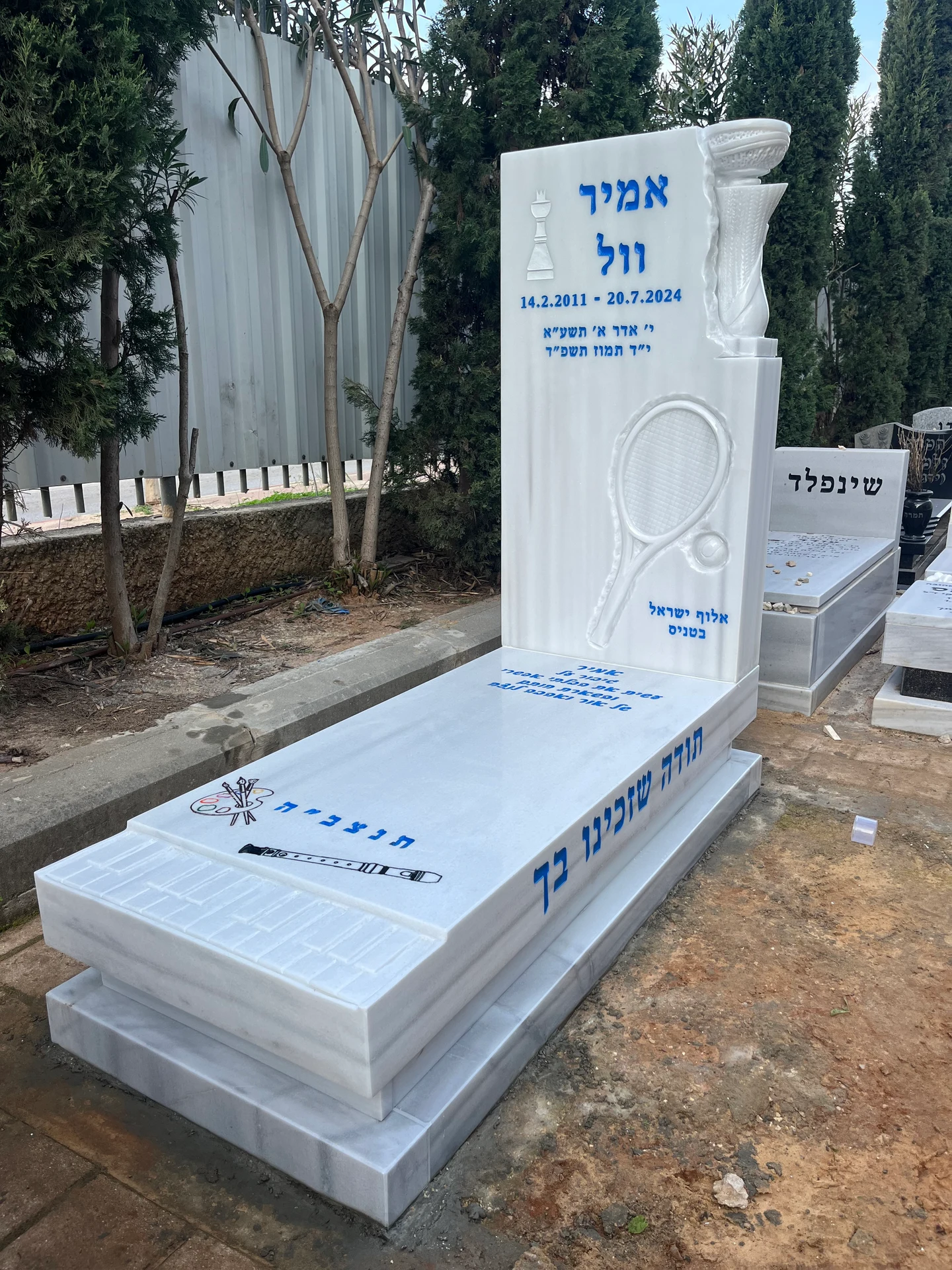
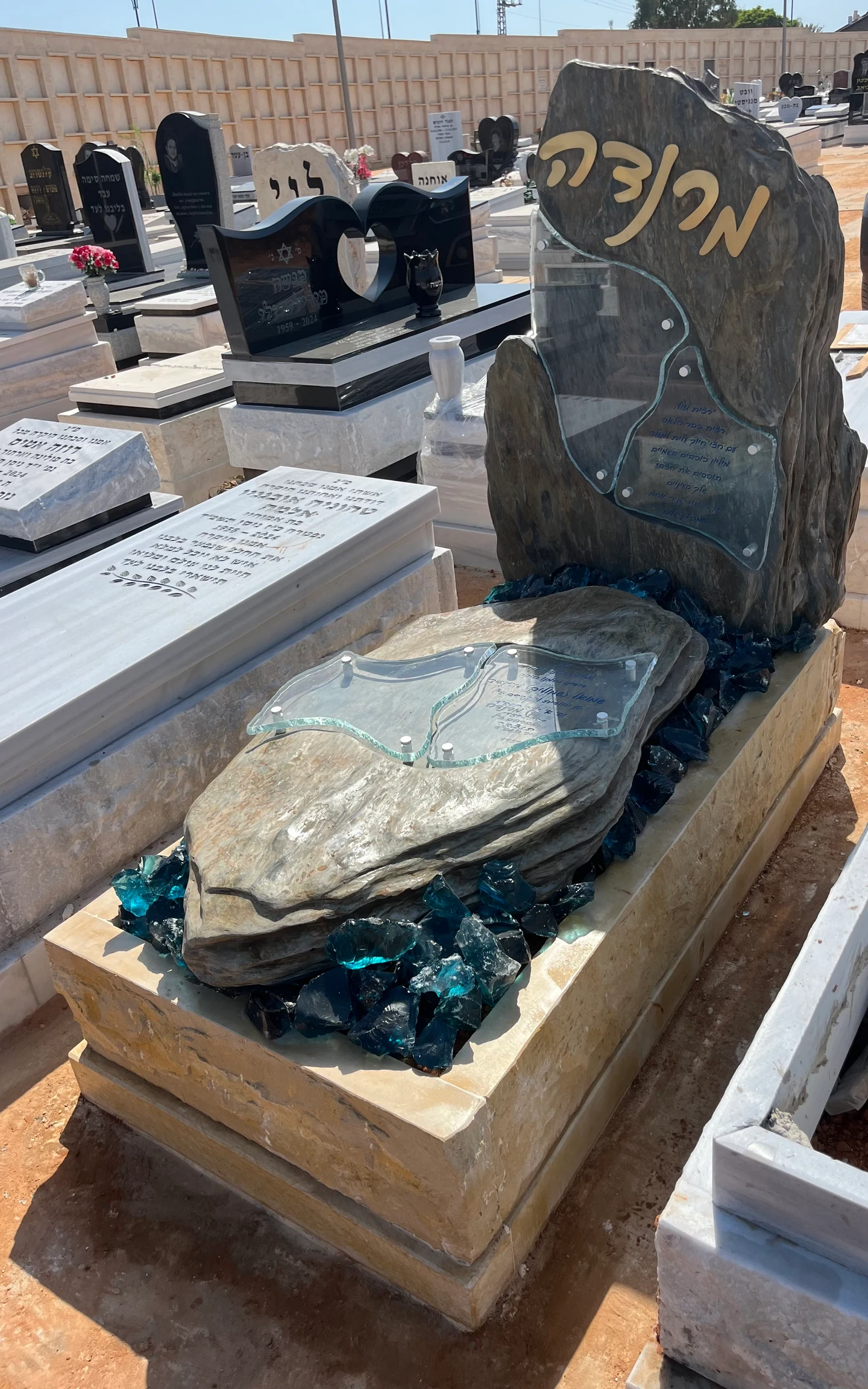
Two approaches from Rubi’s workshop: white stone sculpture and dark natural rock with turquoise details.
Headstone Materials: Look beyond the Trade Name
Lists of memorial stones include Hebron stone, Turkish marble, Halila, Thassos, granite and basalt. Some names describe a material family, others an origin, colour or trade designation. A name alone does not establish every property. See a sample, discuss the finish and identify the actual material clearly in the quote.
Your stone may have veins, grains or colour changes even if the reference photograph looks uniform. These may be precisely the features you value. Agree on the intended appearance and material approval process rather than expecting every block to match a photo. For several components, discuss how the pattern direction will be coordinated.
Different materials also need different care. Natural Stone Institute — opens in a new window distinguishes stone composition from appearance and stresses matching cleaners to the stone type. Keep material and finish details with the order documents. “White stone” describes a look but is not a care instruction. In ourthe guide to stone types covers selection and sample checks.
Light-Coloured Stone: Hebron, Halila, Marble and More
Families choosing light stone may want a quiet appearance, an open inscription area or a match to an existing headstone. Yet light colours include white, soft grey, cream and warmer tones, with varying patterns. See the stone beside a lettering sample and ask whether the photograph shows it in shade, sun or while wet.
On strongly veined stone, the inscription area needs particular care. The natural pattern need not disappear, but the name must remain readable. Discuss the cutting direction and component placement early. A structural drawing does not show exactly how the stone's pattern will fall.
When matching an existing memorial, compare the stones in person where possible. Phone screens alter colour, and weathered stone may look different from new material. A shared shape or lettering style may be a better connection than an unverified promise of identical colour. Start with a catalogue colour, then inspect the actual material.
Granite and Dark Stone: Consider the Finish Too
Granite ranges from relatively uniform dark surfaces to more granular or colourful patterns. Rubi's catalogue includes black, red, green and speciality granite. Look beyond the colour name: compare uniformity, a small sample against a larger slab, and the effect of polish on readability.
A polished surface reflects its surroundings and changes with the viewing angle. Another finish can give the same stone a quieter appearance. Request close-up and wider views and see the lettering sample on the material. Light text is not equally readable on every dark stone.
For a sculpted upright, rounded edge or combination of colours, ask what will be made from each material and how the pieces will join. Compare prices for a defined scope. Availability, dimensions and processing all matter, so one granite cannot be assumed always cheaper or dearer than another stone. In ourthe granite memorial guide covers finishes, lettering and design questions.
Natural Boulder Headstones: Choosing the Individual Stone
With boulder memorials, variation is central to the design. A tall, narrow block, a broad low one and an asymmetric piece give different results. Ask how the actual boulder will be selected, what you can see before approval and which surfaces will be worked.
Some designs retain much of the natural texture; others create a clear inscription surface or add a separate plaque. Consider how the name and words read within the shape. An area that works in one photograph may be harder to read from where visitors stand. Ask to see the relationship between upright and base from the actual approach.
A natural boulder can suit either a simple memorial or an elaborate sculptural design. A raw appearance does not mean less planning: dimensions, lettering and placement still need careful coordination. The guide tonatural stone memorials helps you prepare questions for selecting the stone and preserving the character you want.
How to Use a Headstone Photo Catalogue
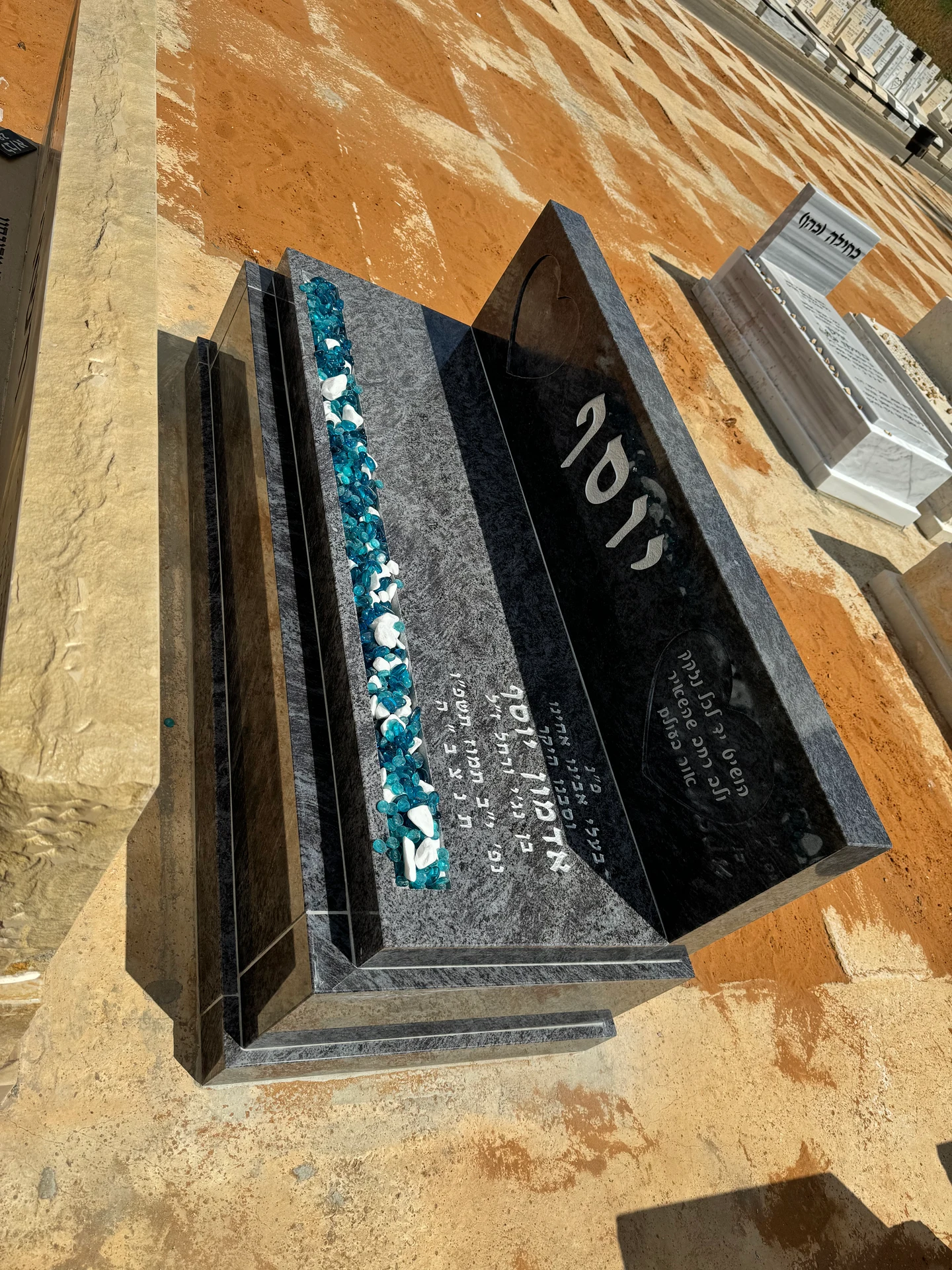
Instead of saving dozens of similar photographs, choose a few different examples and note what you like: stone colour, upright shape, name size or a personal detail. You can like a shape but prefer a different stone colour. Clear preferences help the maker suggest options without copying the whole photograph.
Then ask what the photograph does not show: dimensions, thickness, hidden sides, access and scope of work. Lighting also changes the appearance—stone may look bluer in shade or warmer in afternoon sun. A photograph is useful for discussing looks, not proof that the material or structure will suit your plot.
Scroll the table sideways to see every column.
| What appeals to you in the photograph? | What to ask |
|---|---|
| A tall, striking upright | The permitted height and its proportion to the inscription area |
| Unusual colour | The proposed stone sample and photographic lighting |
| Longer wording | Lettering area, character size and a full-size layout |
| Personal sculpture | Which parts are stone, which are additions and how they will be made |
| Two-material combination | Component, joint and care specifications |
The photographs illustrate options from Rubi's work. They are not a price list and do not establish burial arrangements or installation requirements. Turning an example into an order requires moving from a photograph to a specification.
Double, Family and Layered-Burial Headstones
A double memorial can connect two remembrance areas while preserving each person's place. Consider two plaques, a shared surface or linked shapes. Names can have equal prominence while personal lines differ. Agree on that principle before choosing decoration.
For a larger family plot, establish the area of each memorial, who approves the design and whether names may be added later. Clear information layout avoids crowding. A shared font or base profile can be enough to connect several memorials.
A layered-burial memorial involves more than arranging two names. The burial requirements and access for future work must be understood. Ask what will be built now and what may be required later. A design described as “double” is not automatically suitable for layered burial.
The photographs can help you choose an inscription layout and overall appearance. They do not show everything below the visible structure or the plot's rules. Check those separately before approving the design.
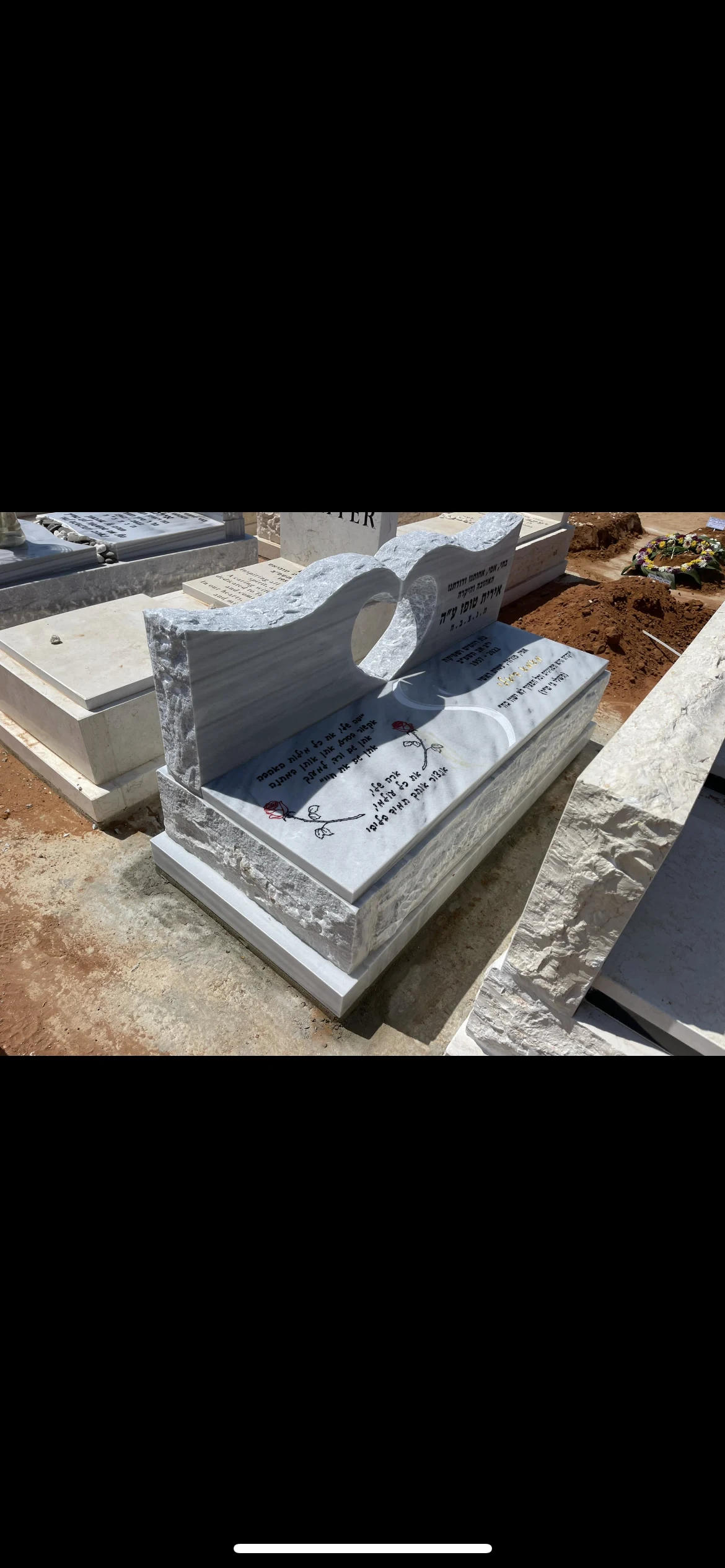
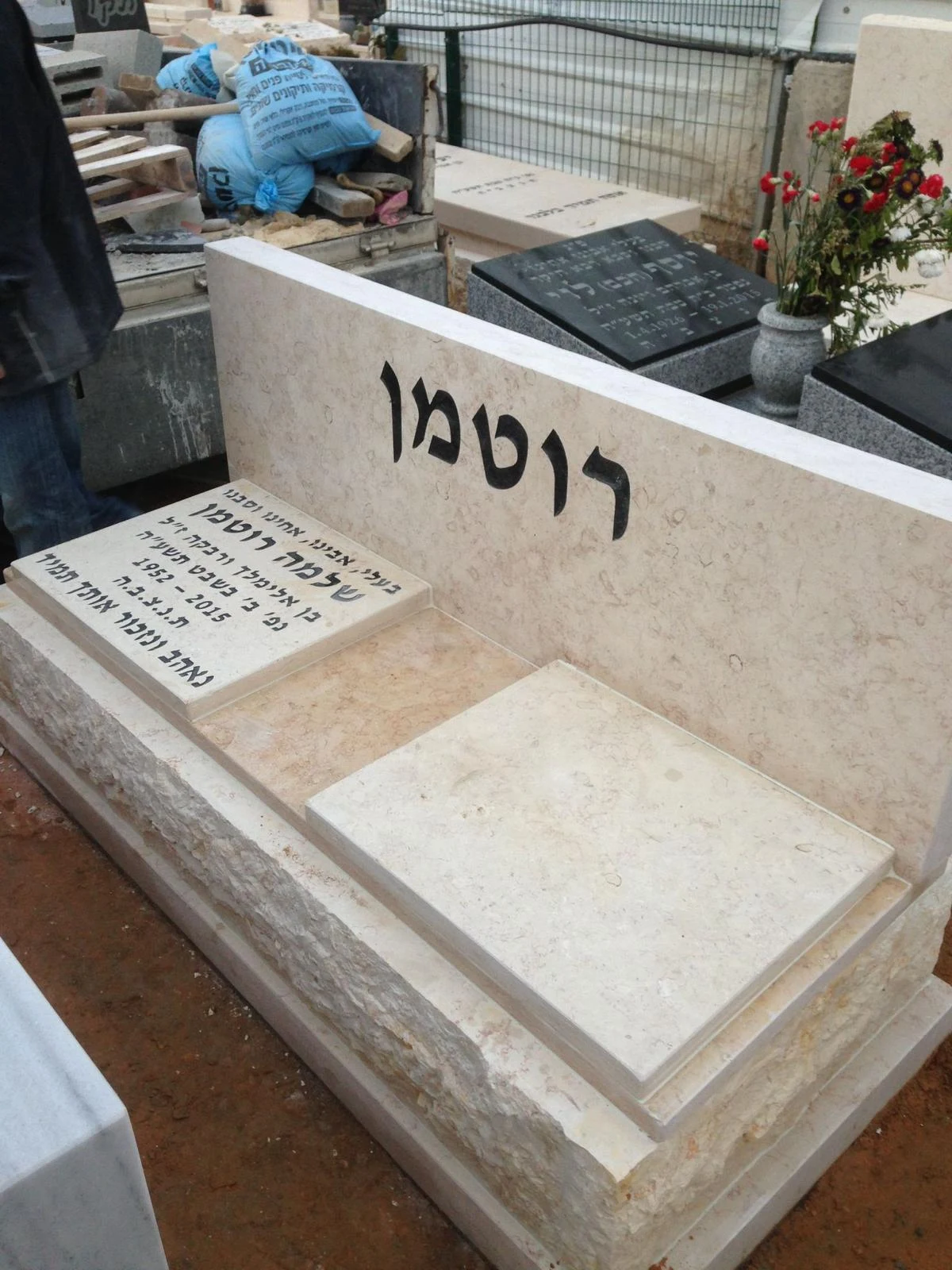
Two ways of arranging shared space. Burial type and plot dimensions must be checked separately from the photo.
Inscriptions: Choose the Words, Then Plan the Layout
A good inscription identifies the person and is easy to read. Some families choose only a name and dates; others add family roles, personal words or a traditional phrase. The longest text is not necessarily the best. Decide what should remain on the stone and how much space it needs.
Begin with a simple order: name, details and dates, then a personal line. For two languages, agree on their sequence and relative type sizes. Give each a clear area and check numbers, abbreviations and punctuation in the full layout. A fluent reader's review matters as much as the font.
Confirm traditional wording with your family's custom and, where needed, a rabbi and the cemetery administration. Website examples are inspiration, not a personal religious ruling. Check the source and permission for any quoted poem or text. You can also choose an original short line from inscription examples.
Choosing the words and choosing the lettering technique are separate decisions. Engraving, colour filling and applied letters must suit both stone and design. Seethe inscription and engraving guide explains how wording, material and final approval fit together.
Bespoke Details: Character without Clutter
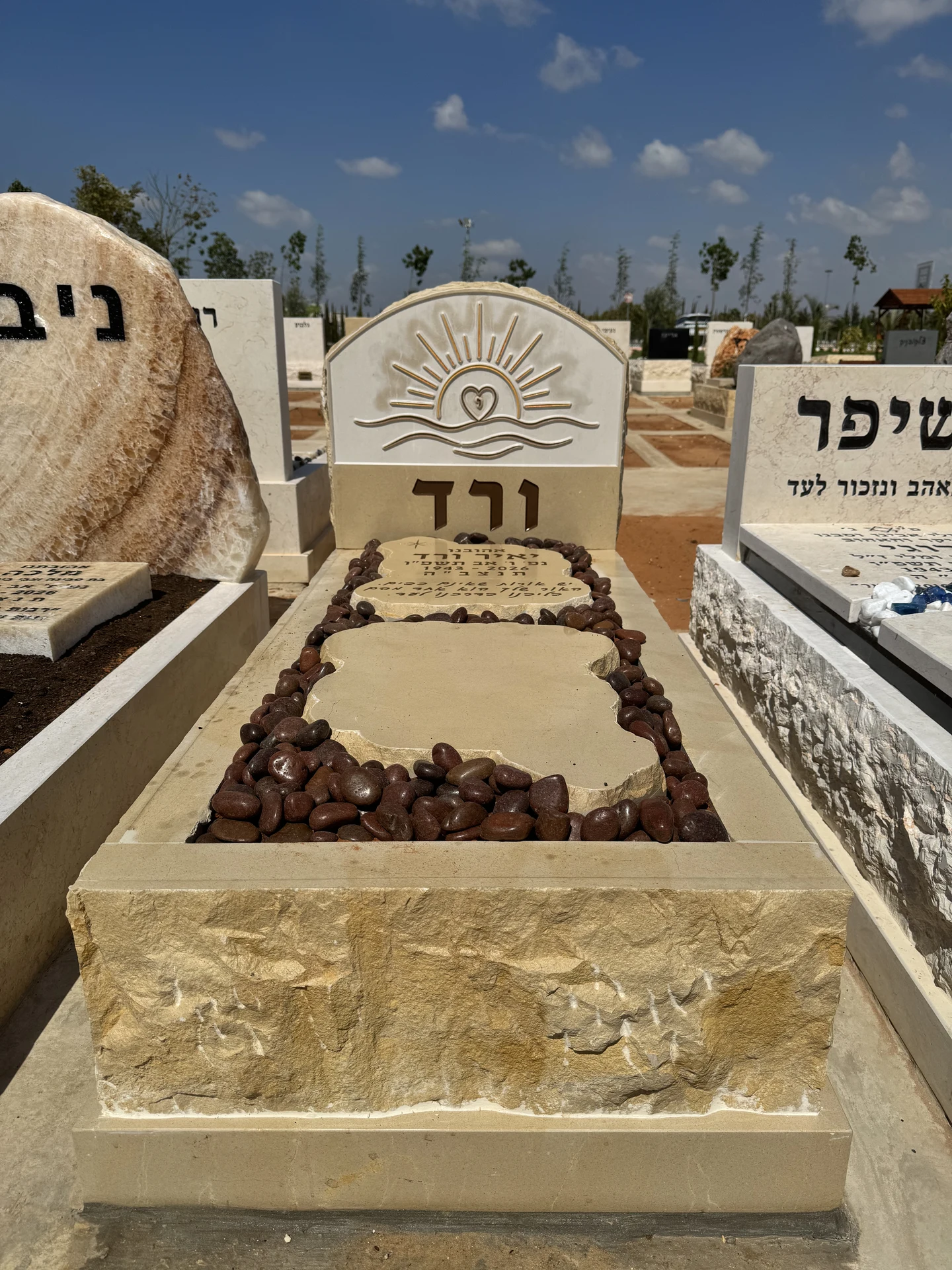
A bespoke design can begin with a small detail: a book-shaped upright, a wave-like line or a symbol from a family story. Choose the main idea and give it space before combining several. When every element demands attention, the composition loses its unity.
Bespoke headstone design turns an idea into practical choices: material, size, rear and side views, and what sits beside the lettering. Site requirements still apply. Artistic freedom does not remove the need to fit the plot, and checking that fit does not mean giving up a personal idea.
Try two versions of the same idea: a sculpted symbol and an engraved one, or mixed materials and a single stone with an unusual colour. Compare the meaning retained, the change in appearance and the price. Our guide tobespoke headstones offers a practical way to approach that conversation.
Headstone Prices: Compare Specifications, Not Photographs
Price differences are not explained by the stone's name alone. Quantity, dimensions, shaping, inscriptions, additions and site work all matter. Similar photographs can hide different specifications. A sum without an explanation is not a useful basis for comparison.
Ask for every component to be identifiable in the quote. Alternatives should start from the same brief: the same burial type, inscription layout and additions, changing only the stone or shape. This shows whether a difference comes from design preferences or omitted work.
Set priorities within your budget. You might retain a particular stone but simplify the shape, or prioritise a prominent name over an extra material colour. Spend on the details that matter to you and on careful workmanship rather than on assumptions about what a memorial ought to cost.
Rubi does not currently publish an approved numerical price list on this site. New work is quoted after its details are established. Separate the memorial quote from possible cemetery charges and check what each document includes. Read more in headstone prices and quote comparisons and the National Insurance guide.
One Brief, Three Possible Approaches
Suppose a family wants light stone, a prominent name and a meaningful personal detail within a set budget. Here are three possibilities to discuss. These illustrate planning, rather than actual quotes or completed commissions:
The name as the focus
Straight lines, a readable surface and a small engraved detail. The design focuses on the relationship between the name, wording and stone.
The shape as the focus
An expressive upright with a simple base and brief wording. Check that the shape still leaves enough room for the name.
The stone as the focus
A block with a pattern or texture the family likes, brought out by careful finishing. The selected surface guides the inscription.
Now test each option against your needs. Is there room for the wording? Does it fit the plot? Might another name be needed later? These questions can change the choice before pricing, allowing the design to fit the family rather than the other way round.
Once you have a direction, request a detailed quote and decide whether to develop it. Make one change at a time and assess the whole. This is easier than adding every idea and removing details at the last moment.
Assessing Quality beyond First Impressions
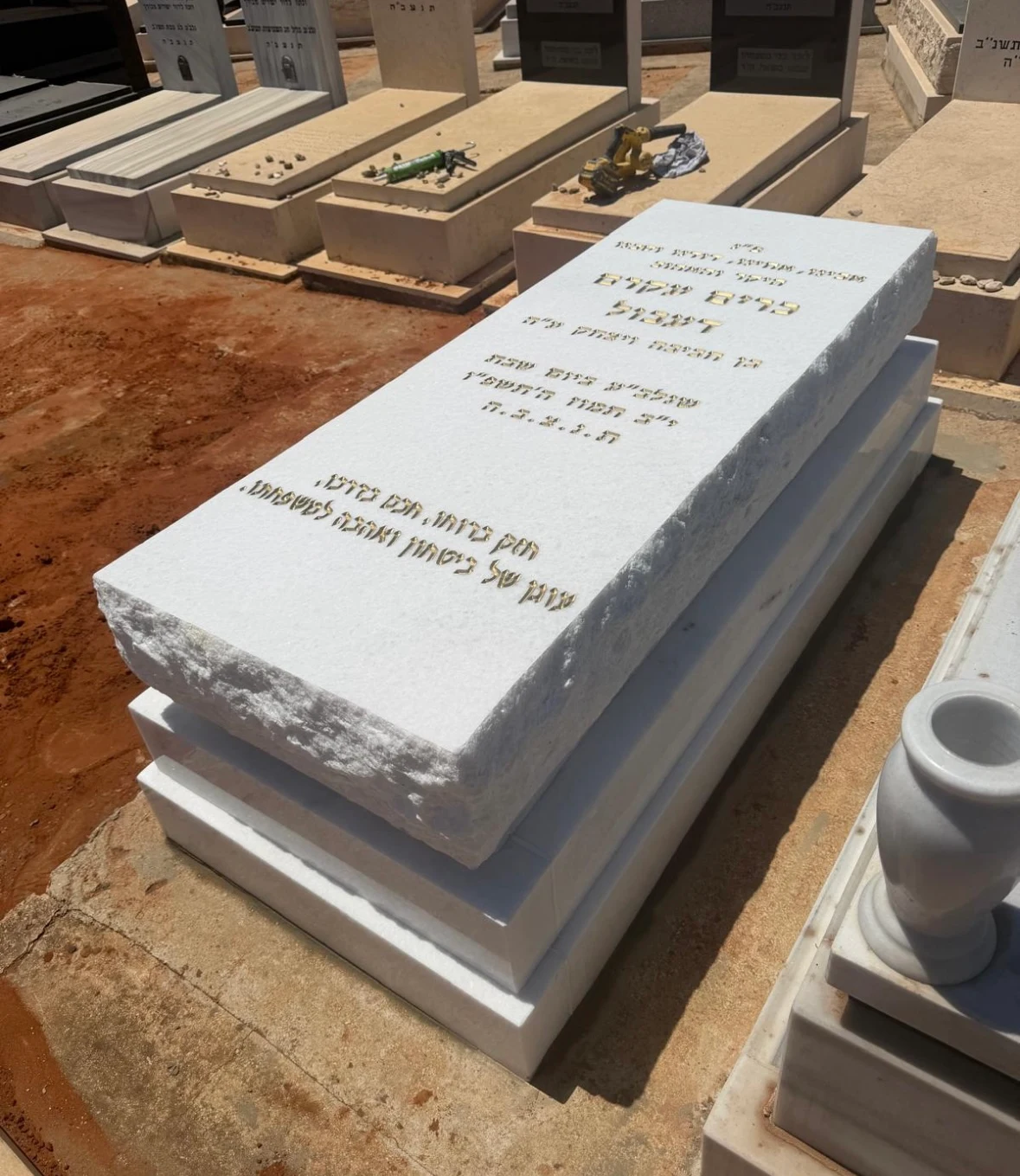
A wide photograph gives an overall impression; details reveal the workmanship. Look at legibility, joints, lines and finishing where pieces meet. Ask which images show completed installations and which were taken in the workshop. You do not need technical expertise to ask for a clear explanation.
Quality also includes the process: a clear quote, a defined way to approve stone and text, updates when plans change and documents you can keep. Good workmanship and well-organised service should be considered together.
Ask for written warranty coverage and conditions. A number of years alone does not explain which parts are covered or how concerns are handled. Nationwide service should also identify who coordinates the work at your cemetery, beyond simply transporting the components there.
Production and Installation: Where Key Decisions Are Made
Planning and measurement
Confirm the location and scope. The family can provide preferences and photographs; the professionals verify working dimensions and technical requirements.
Material selection and design approval
Match the chosen piece of stone to the design rather than leaving colour and pattern as assumptions. Record what is approved and what remains open.
Stonework and lettering
Production follows the specification and final inscription. Any change now requires checking what has already been completed and how later work will be affected.
Site coordination
Coordinate access, working rules and permitted dates with the cemetery administration. Workshop completion and installation are distinct milestones in the schedule.
Handover and documentation
Check the result against the approved design, obtain care instructions and keep contact details for later questions or inspections.
Tel Aviv–Yafo Chevra Kadisha — opens in a new window publishes local contractor and construction guidance and states that it does not supervise the quality of memorials. Permission to work and workmanship quality therefore need separate checks. At other cemeteries, confirm procedures with their own administration.
Arrange a meeting at Rubi's Petah Tikva workshop to discuss stone, design and the work stages. If you live far away, agree which approvals and records can be shared remotely and when, so communication stays clear even without attending every meeting.
Restoring Existing Headstones: Defining the Work Needed
You may need work on an existing memorial rather than a new one: faded lettering, another name or a damaged detail. Understand the problem and what should be preserved before deciding to replace it. The stone, original inscription and relationship to neighbouring memorials may all matter.
Lettering renewal, cleaning, component repair and structural replacement are different services. Photographs are a starting point; an on-site inspection may be needed. Send a full view, a close-up and any known material details. Mention previous cleaning or repair attempts so an unsuitable treatment is not repeated.
Cleaning alone cannot promise to make an existing stone look new. The conservation guidance from the US National Park Service — opens in a new window recommends starting with the gentlest methods and avoiding treatments that can damage the material. Loose or cracked memorials need professional assessment before cosmetic work. See the guides tomemorial restoration and repair andlettering renewal explain how to prepare for an assessment.
Practical Answers to Common Headstone Questions
Which is better: marble or granite?
There is no single answer without knowing the proposed materials and scope. Compare colour, pattern, finish, lettering, site conditions and the quote. The name of a stone family cannot replace a sample and specification.
Do bespoke memorials always cost more?
Complexity can increase the work, but “special” is neither a specification nor a price. Some personal designs need one focused alteration; others involve sculpture and mixed materials. Compare their actual components.
Can two reference designs be combined?
Start with what you like in two photographs, then check whether the proportions, materials and dimensions work together. Not every upright suits every base. The result needs a design of its own, rather than remaining a collage of photographs.
Is a layered-burial memorial always a double memorial?
The terms describe different things. “Machpela” refers to the burial arrangement; “double” may refer to two people or a shared design. Confirm the plot and actual requirements before ordering.
How do we narrow so many choices?
Narrow the choices by burial type and dimensions, then shortlist two materials and two design directions. Explain what you like in each example so the quote can be focused.
Will our memorial look exactly like the website photograph?
It shows a completed work and a possible direction. Natural stone, dimensions and personal wording create differences. Approve your own specification and selected material separately; an inspiration photo is not enough.
What should we keep after completion?
Keep the quote, approved design and inscription, stone details, warranty and care instructions. Include completion photographs for a clear record if additions or inspections are needed later.
Where to Go Next
Once the differences are clearer, choose the next question that matters to you. You do not need to read every guide before contacting us. Bring the burial location, your priorities and any open questions. Use these links as needed:
- Planning one memorial from start to installation — decisions, specifications, approvals and handover.
- Examples and choosing reference photographs — how to create a useful shortlist.
- Understanding memorial prices — what a quote includes and how to compare options.
- Choosing inscription wording — original examples and room for your own words.
- Choosing a professional — questions about workmanship, warranty and process.
Rubi Stone Architecture makes headstones and memorials at 5 Basel Street, Petah Tikva, serving families throughout Israel. Bring a developed idea or an initial question. In a free, no-obligation consultation, we discuss your needs, site conditions and budget before deciding on the next step.
The aim is a design your family understands and feels comfortable with, not the most complicated option. Agree the stone, wording, scope and terms before production, including payment on completion and the warranty applicable to your order.
Have a question about your headstone?
Ask Rubi about stone, inscriptions and options, free and without obligation.
Related information
Planning a Headstone: A Complete Guide from Design to Installation
A new headstone from first decisions to installation: stone, design, personal words, cost, approvals and care, with photos and practical examples.
Read the guide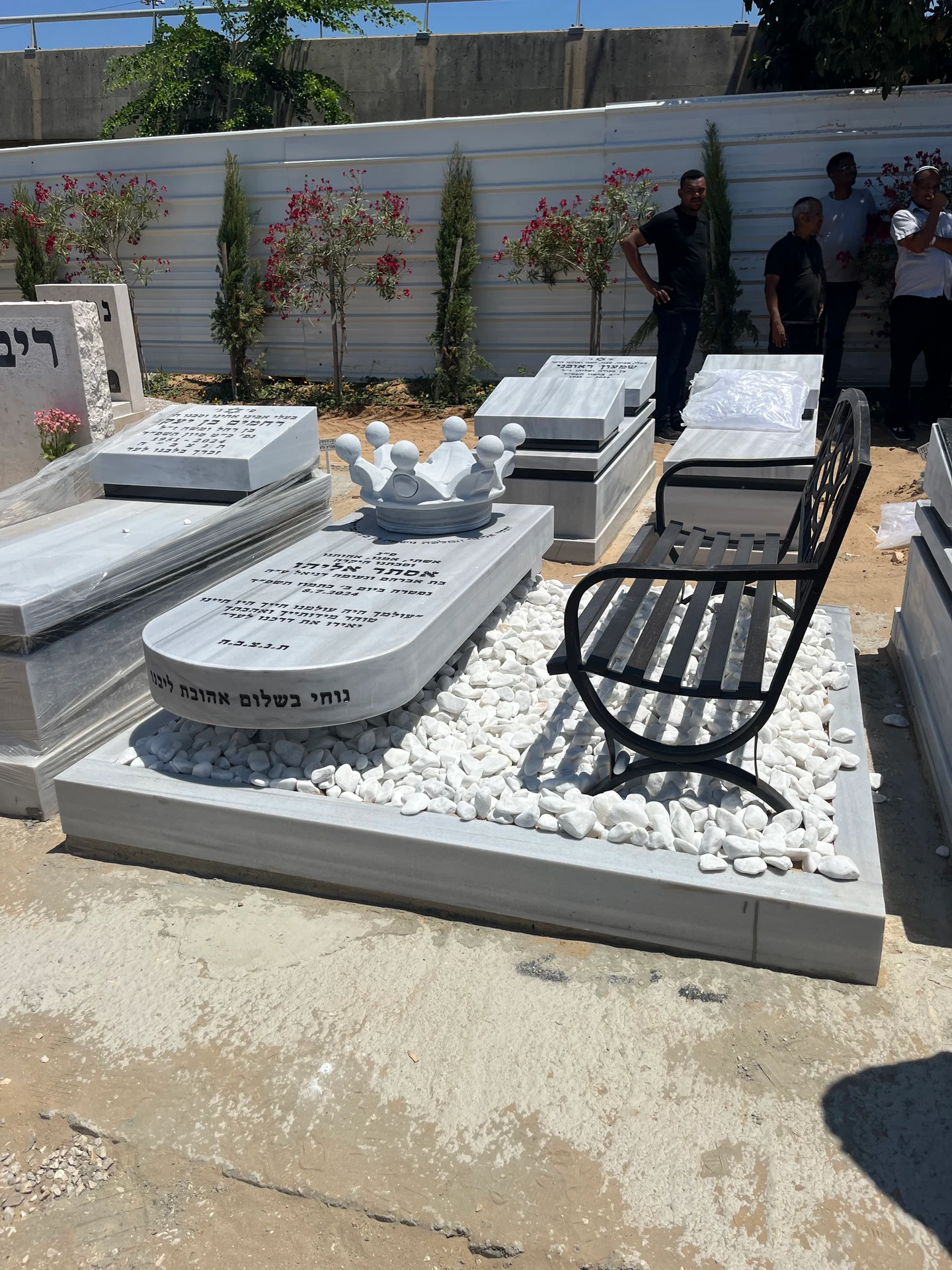
Headstone Types: Burial Arrangements, Stone and Design
Headstone types explained in three layers: burial arrangement, stone material and design. Understand the names without confusing different choices.
Read the guide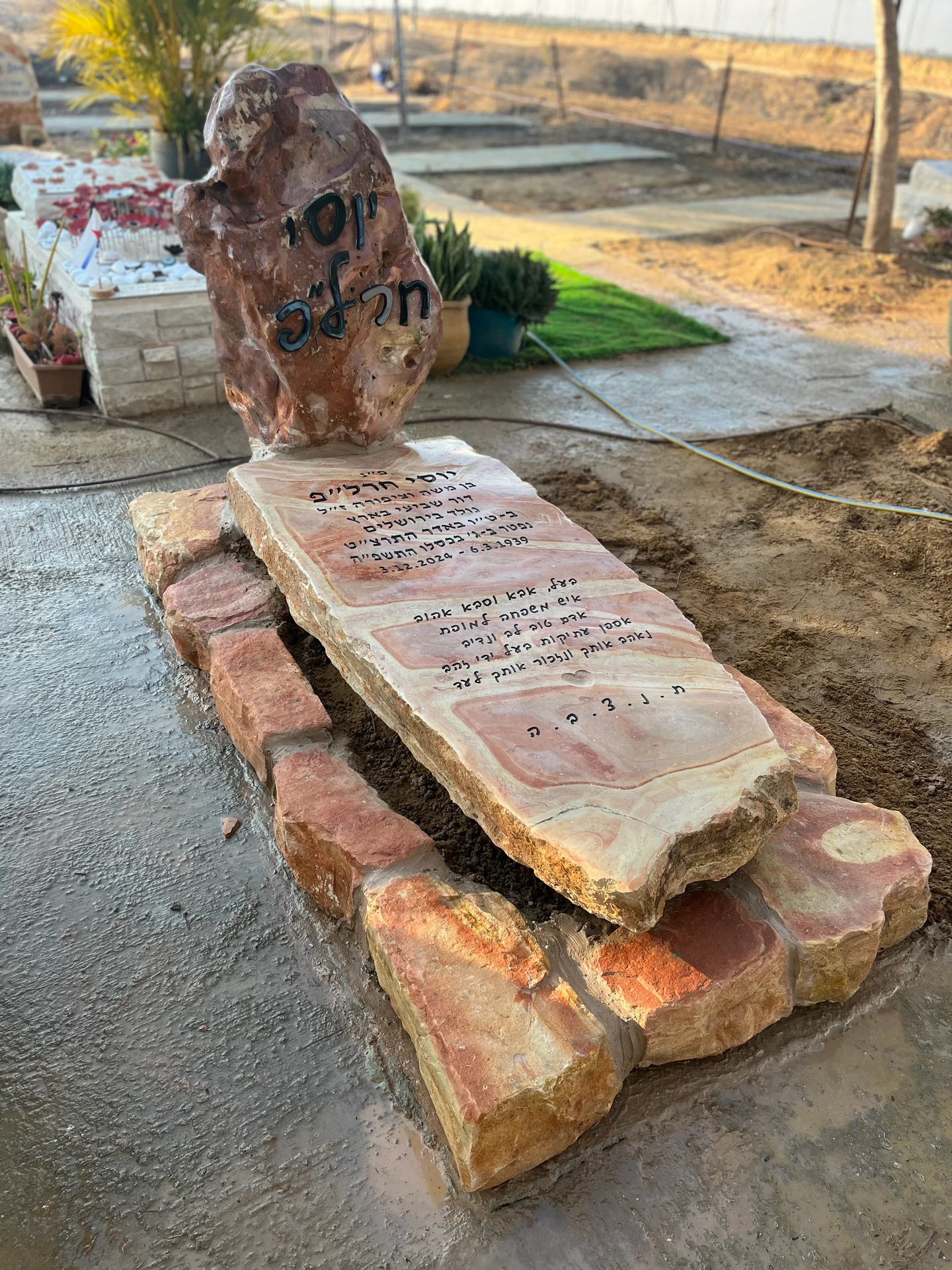
Stone for Headstones: What to Look for Before You Choose
Granite, Hebron limestone, Turkish marble, Thassos and natural boulders: a guide to material, finish and inscription choices.
Read the guide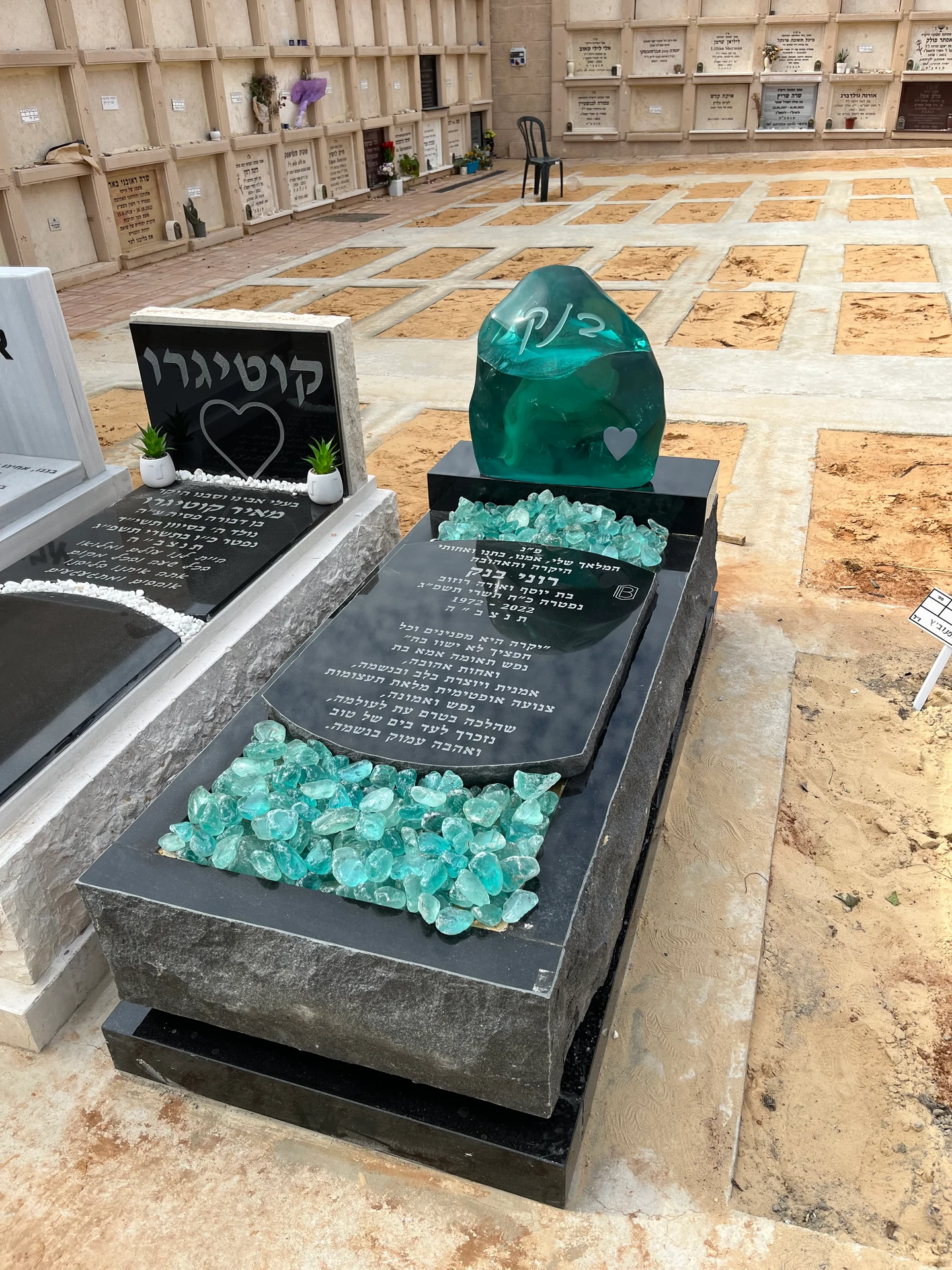
Comparing Headstone Designs: How to Find the Right One
Compare headstone photos, choose stone and shape, allow room for the inscription and adapt an example to your plot and budget.
Read the guide