Caring for a Headstone Yourself: What to Clean and When to Stop
Inspect the stone before buying a cleaner. Light maintenance and crumbling stone require different responses; a harsh product can turn dirt into damage that is hard to repair.
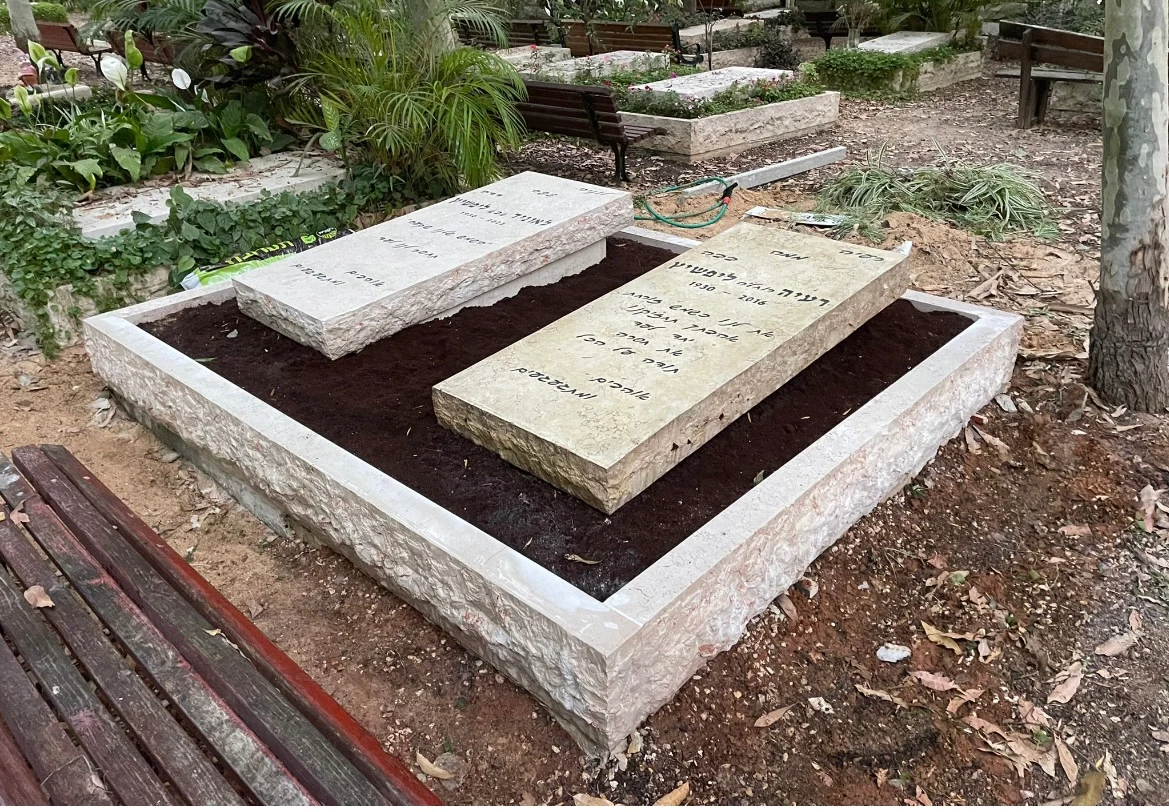
First Look: Proceed or Ask for an Inspection?
| What it looks like | First step |
|---|---|
| Dust or leaves on apparently stable stone | Identify the stone and check its care instructions before cleaning |
| A crack, a lean or a loose component | Stop and request an inspection; do not move or straighten it yourself |
| Crumbling or separating layers | Do not scrub or wet the surface before obtaining professional advice |
| Faded or missing letters | Identify the lettering technique before painting or gluing |
Preparing for Gentle Cleaning
Photograph the headstone and lettering before starting. Establish the material and whether care instructions were provided at installation. If you do not know, send a photograph to a professional rather than guessing from the colour.
NPS conservation guidance recommends the gentlest suitable method and soft brushes, and warns against bleach, wire brushes and pressure washing. These are precautions, not automatic approval for treating every stone, paint or adhesive. Check suitability for the headstone's condition before doing anything.
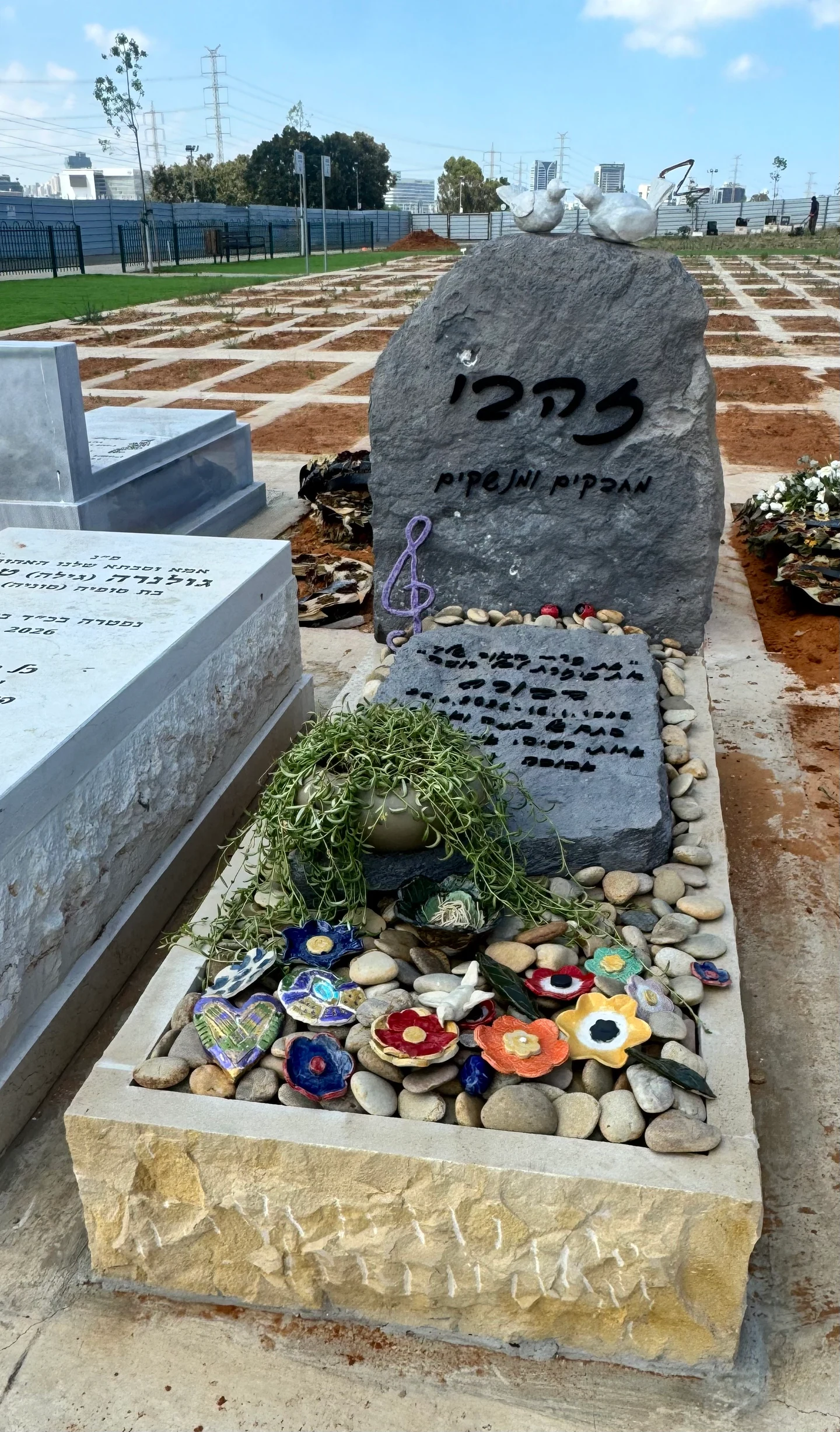
Following Instructions Suited to the Stone
Start with a small area
Test a small area according to the product instructions and let it dry before comparing.
Work gently
Do not scrape the stone, force the letters or mix cleaning products.
Stop if you see an unwanted change
Fading, crumbling, colour transfer or loosening mean you should stop and ask for advice.
Check after drying
Wet stone looks different. An uneven appearance before drying does not necessarily mean more treatment is needed.
Work That Should Not Be Done Yourself
Straightening an upright, repairing a base, closing a crack or replacing a fixing are not cleaning tasks. Even a small fault can involve the stone's structure and weight. Do not lean on a suspect component or try moving it to check whether it is loose.
Restoring lettering paint also needs assessment. Paint absorbed into light stone can be difficult to remove, and attached letters need different treatment from recessed engraving. Our lettering restoration guide explains what to identify before choosing a treatment.
What to Send Rubi for Initial Advice
- Overall photographs from each side you can safely reach.
- Close-ups of the problem and inscription.
- The cemetery, plot details and stone type, if known.
- What you have already tried, including the name of any cleaning product.
- Your aim: cleaning before a memorial date, improving lettering or repairing damage.
Not Every Colour Variation Needs Removing
Set realistic aims suited to the existing stone's condition. Some of its appearance may come from the material and its ageing. Trying to achieve uniform whiteness or shine at any cost can remove original material.
If professional work is needed, ask what can be improved and what may remain. Ourheadstone restoration guide helps you compare cleaning, refinishing and repairs before ordering.
Have a question about your headstone?
Ask Rubi about stone, inscriptions and options, free and without obligation.
Related information
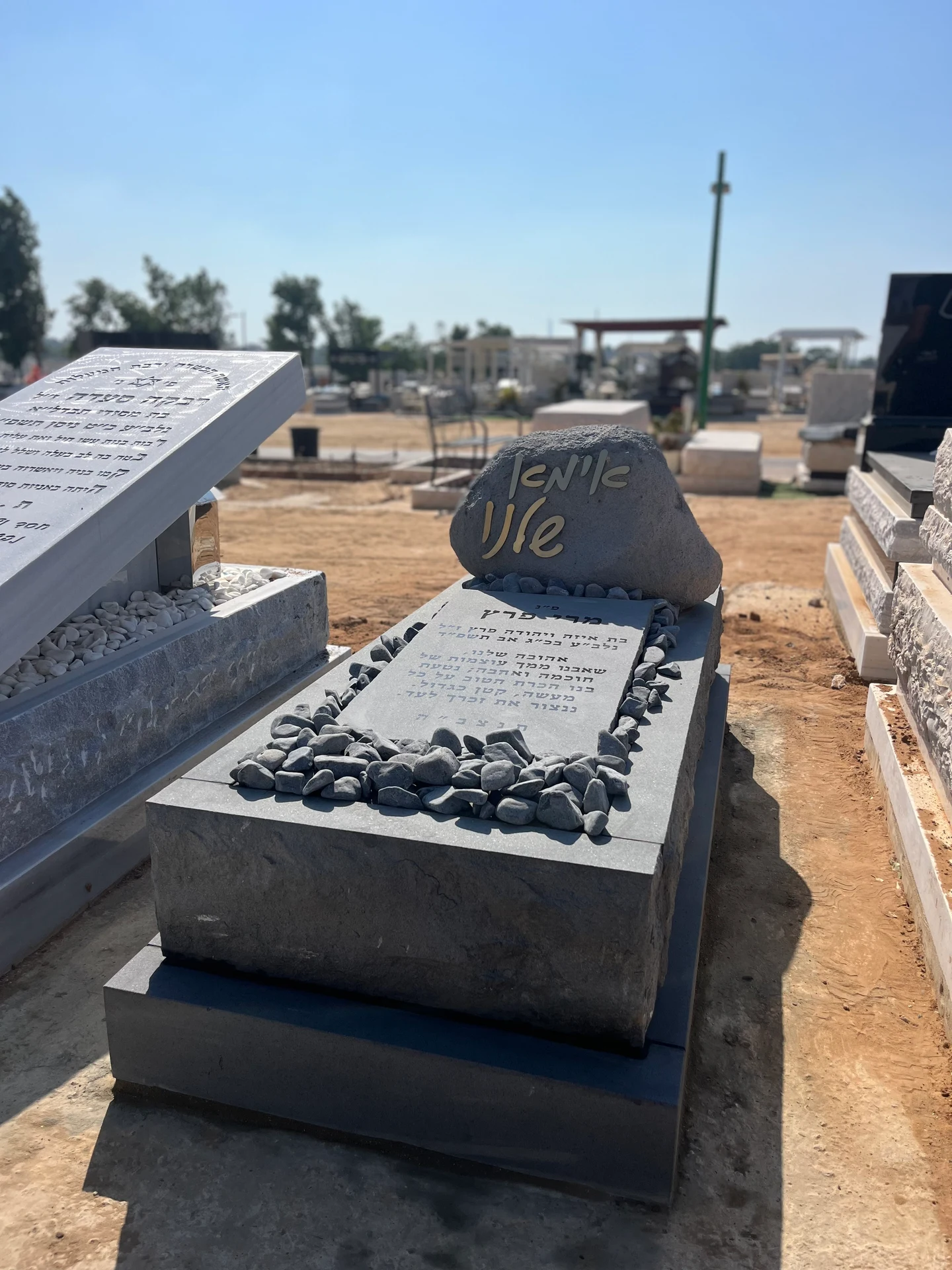
Repainting Headstone Lettering: What to Check First
Repainting headstone letters: identify the engraving and old paint, match the stone and distinguish refilling from repairs. What to photograph and ask before work.
Read the guide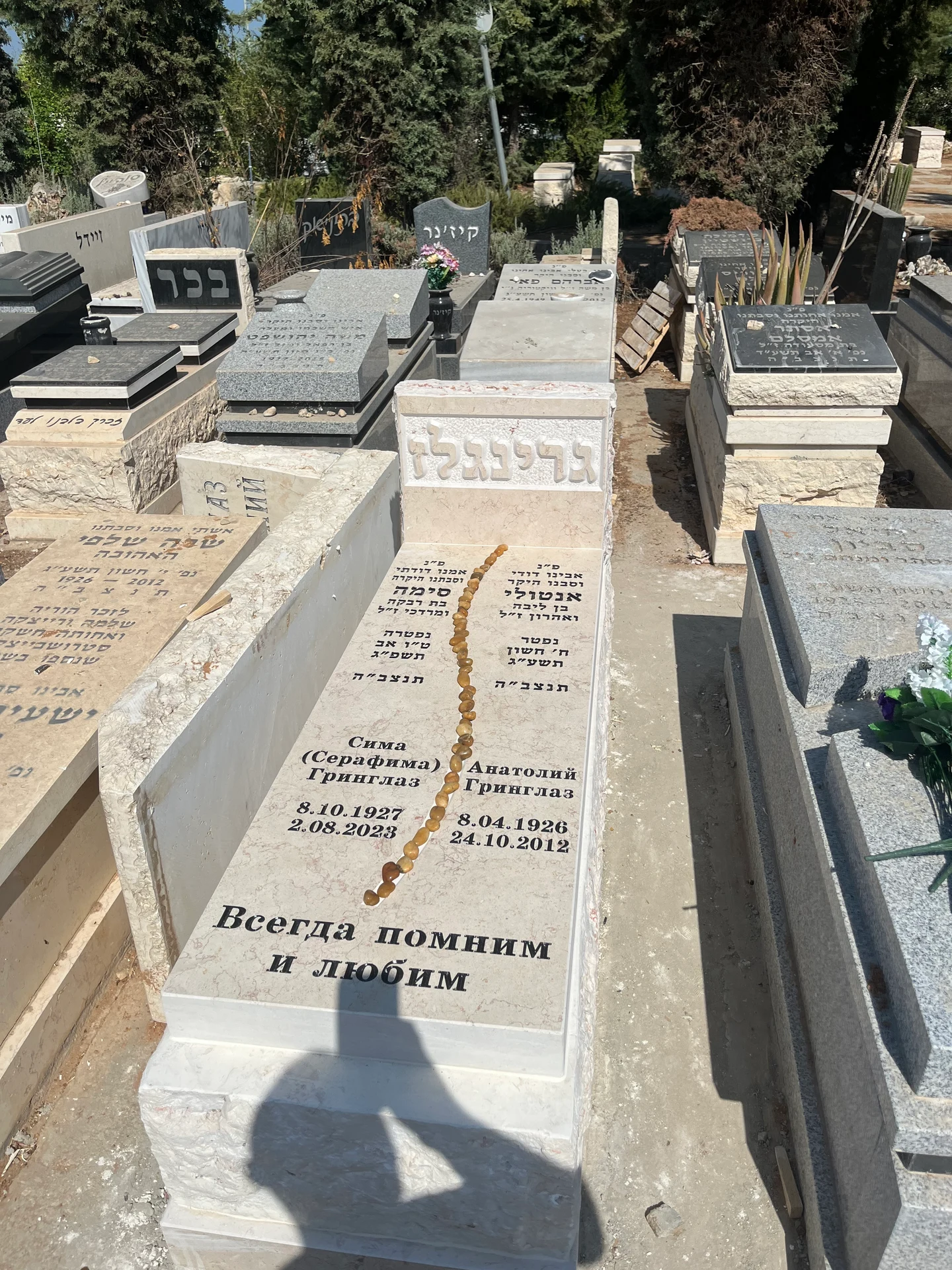 Image awaiting review
Headstone Restoration: What Can Be Preserved and What Needs Repair?
Cleaning, renewing lettering and structural repairs: how they differ and what to photograph before requesting a quote.
Read the guide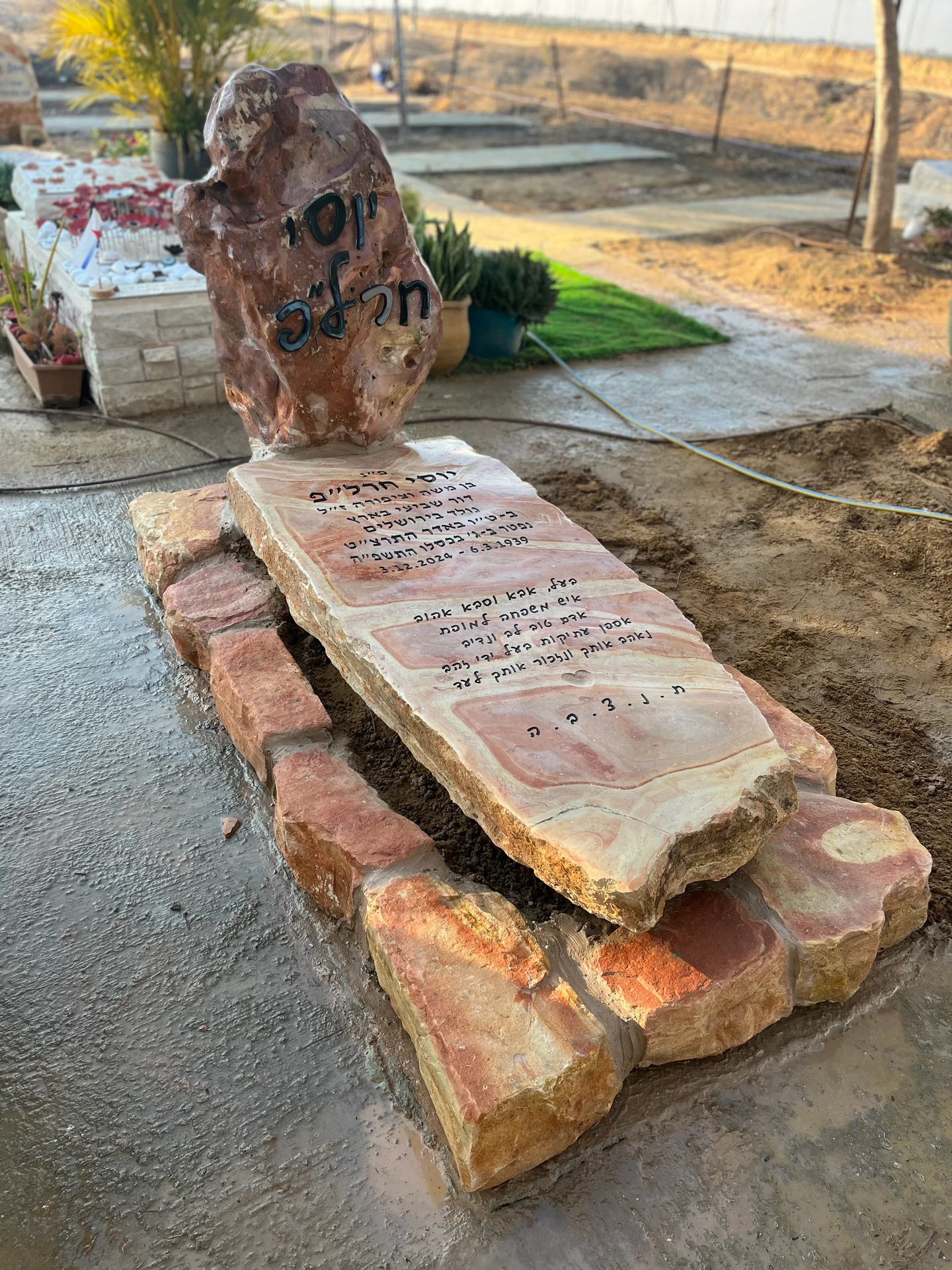
Stone for Headstones: What to Look for Before You Choose
Granite, Hebron limestone, Turkish marble, Thassos and natural boulders: a guide to material, finish and inscription choices.
Read the guide