Wall Burials: Choosing a Memorial Plaque for a Burial Niche
A burial-niche plaque has a defined space. Names, dates and spacing need particular care because there is no horizontal surface like that of a ground-level memorial.
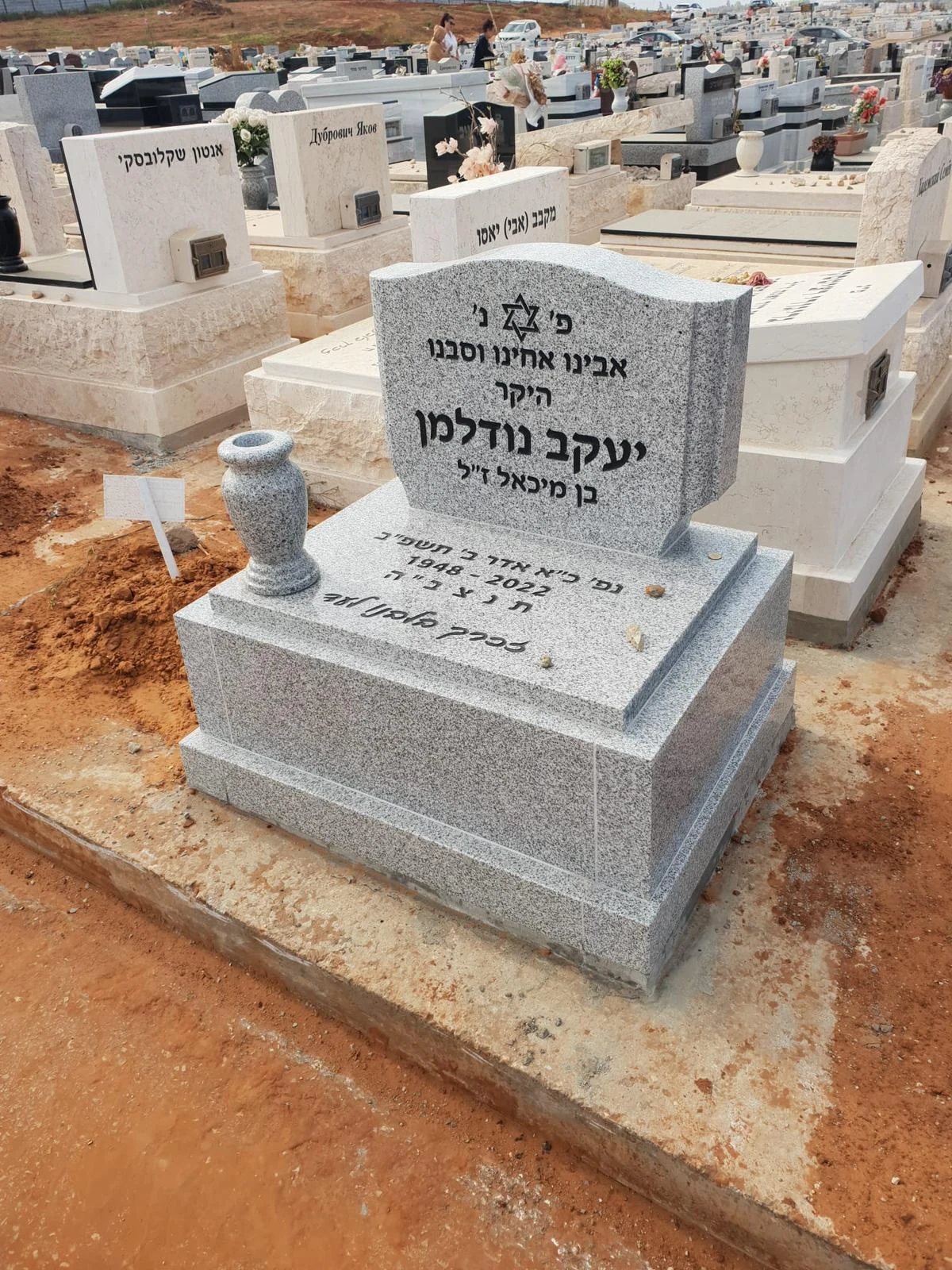 Image awaiting review
What Is a Wall Burial Plaque?
This usually means the inscribed plaque at the opening of a burial niche. Before ordering, identify the burial system and the plaque it requires. Dimensions, installation methods and permitted materials may vary between cemeteries and plots.
Do not rely on measuring the neighbouring niche. Ask the cemetery management for the specification for your plaque. If a closing panel is already fitted, establish whether it forms part of the system and what work is permitted on it. Do not dismantle or drill it yourself.
Details to Obtain from the Cemetery
- Exact plaque or opening dimensions and any thickness requirements.
- Any required stone, colour or finish.
- Rules for inscriptions, decoration and the position of any permitted accessories.
- How to coordinate the work and who is authorised to install the plaque.
- Access to the niche and any work-at-height considerations.
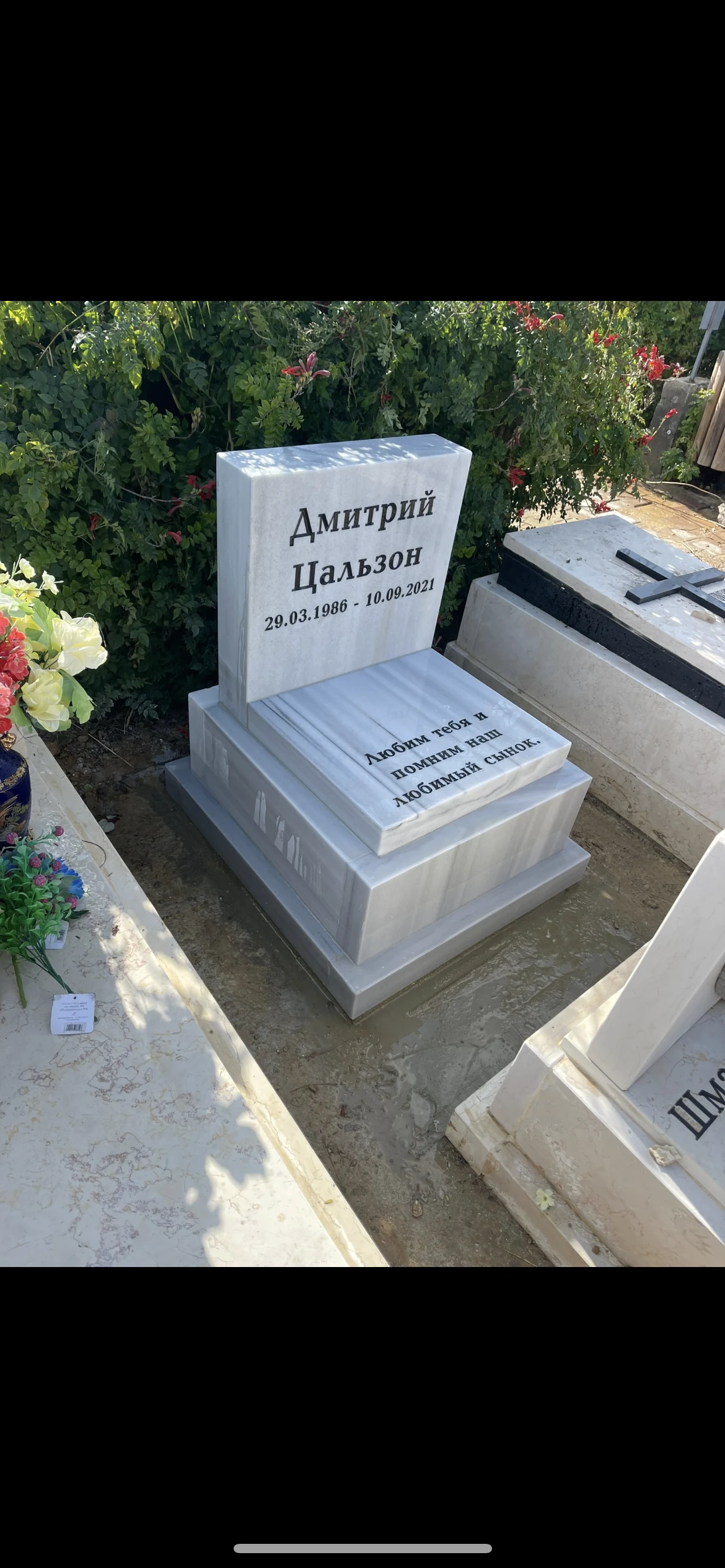 Image awaiting review
Arranging the Inscription by Importance
| Element | Purpose |
|---|---|
| Name | Clearly identifiable without standing very close |
| Dates and details | An orderly layout without confusing languages or numbers |
| Personal wording | A defined space that does not crowd the name |
| Symbols and decoration | Details proportionate to the available space and permitted by the rules |
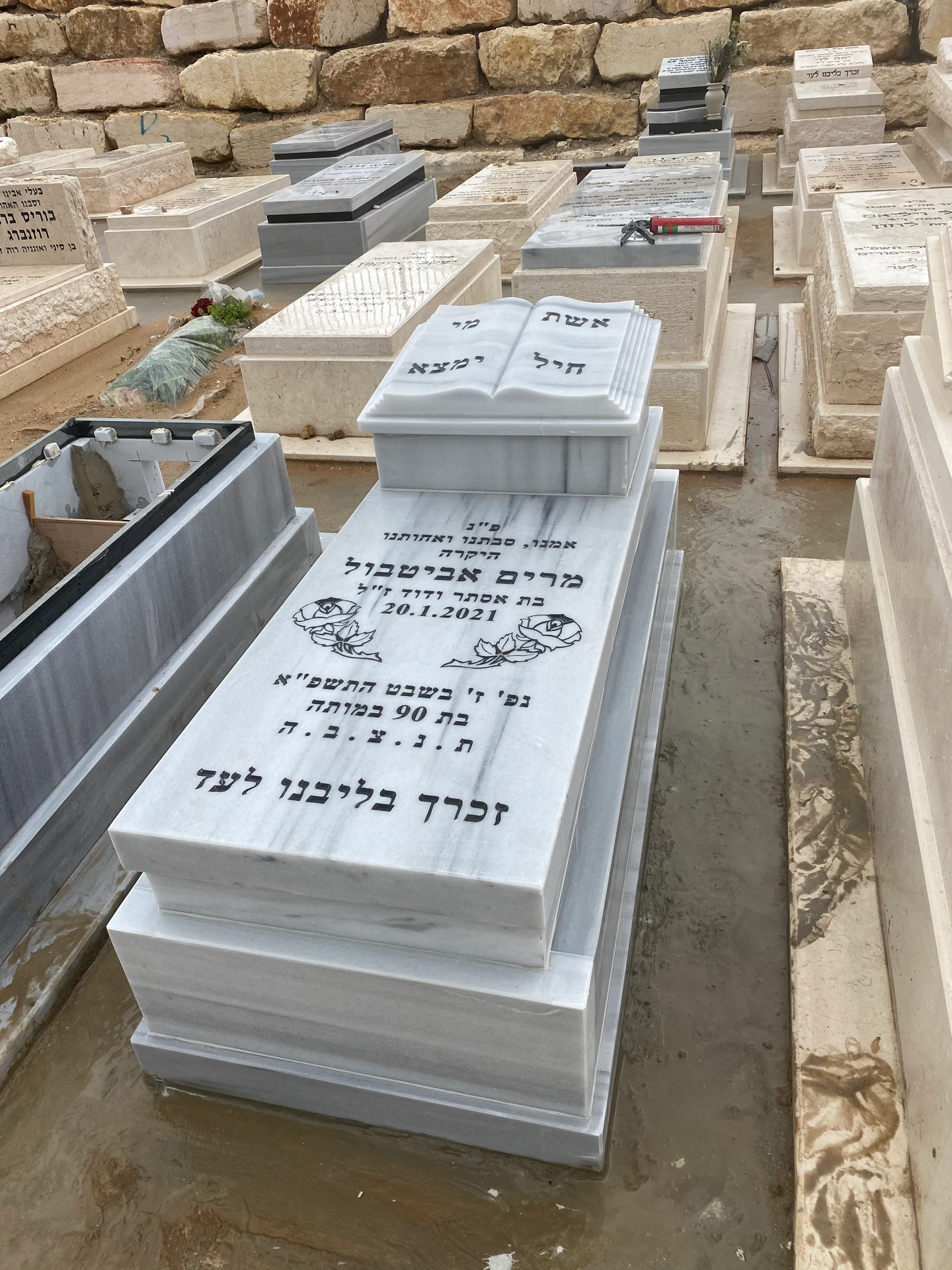
For a name in Hebrew and English with a personal line, try two layouts: one with the Hebrew name prominent and the English below, and another with a separate area for each language. Compare readability at the plaque's actual dimensions. Try a different arrangement before reducing the lettering size.
How Can You Check That the Text Will Fit?
Prepare a layout at the real dimensions. Text that seems short on a screen can be too long for a narrow plaque, especially with an additional name, Hebrew vowel marks or dates in two calendars. Shortening the personal line is better than making every letter difficult to read.
Ask to see the name and all the details together. With two languages, check the reading order and date placement. You can refer to ourinscription examples, but do not copy a layout designed for a differently sized headstone.
Replacing or Restoring an Existing Plaque
If lettering has faded or details need adding, first photograph the entire plaque and its fixings. Establish whether the letters are engraved, painted or attached. A local repair, plaque replacement and reinstallation are different jobs; do not assume every component can be replaced individually.
The photographs here illustrate inscriptions on stone, not niche installations. A wall burial plaque must follow the site's dimensions and requirements. On thecontact page you can send Rubi your details and discuss the options.
Have a question about your headstone?
Ask Rubi about stone, inscriptions and options, free and without obligation.
Related information
Headstone Inscriptions: Choosing and Approving the Words
What should a headstone say? Wording, names, dates, engraving and line layout, with examples for mothers, fathers and personal tributes.
Read the guide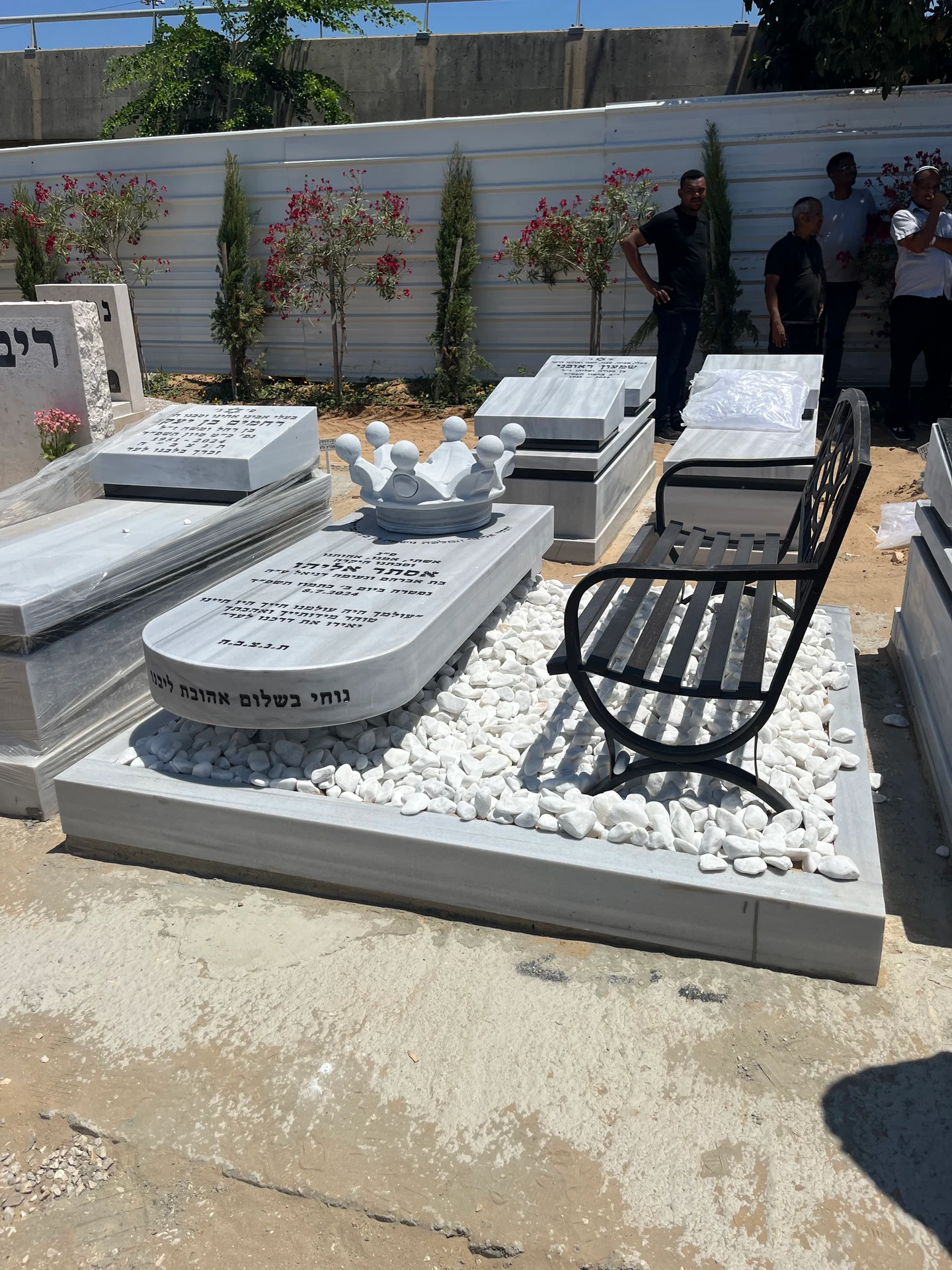
Headstone Types: Burial Arrangements, Stone and Design
Headstone types explained in three layers: burial arrangement, stone material and design. Understand the names without confusing different choices.
Read the guide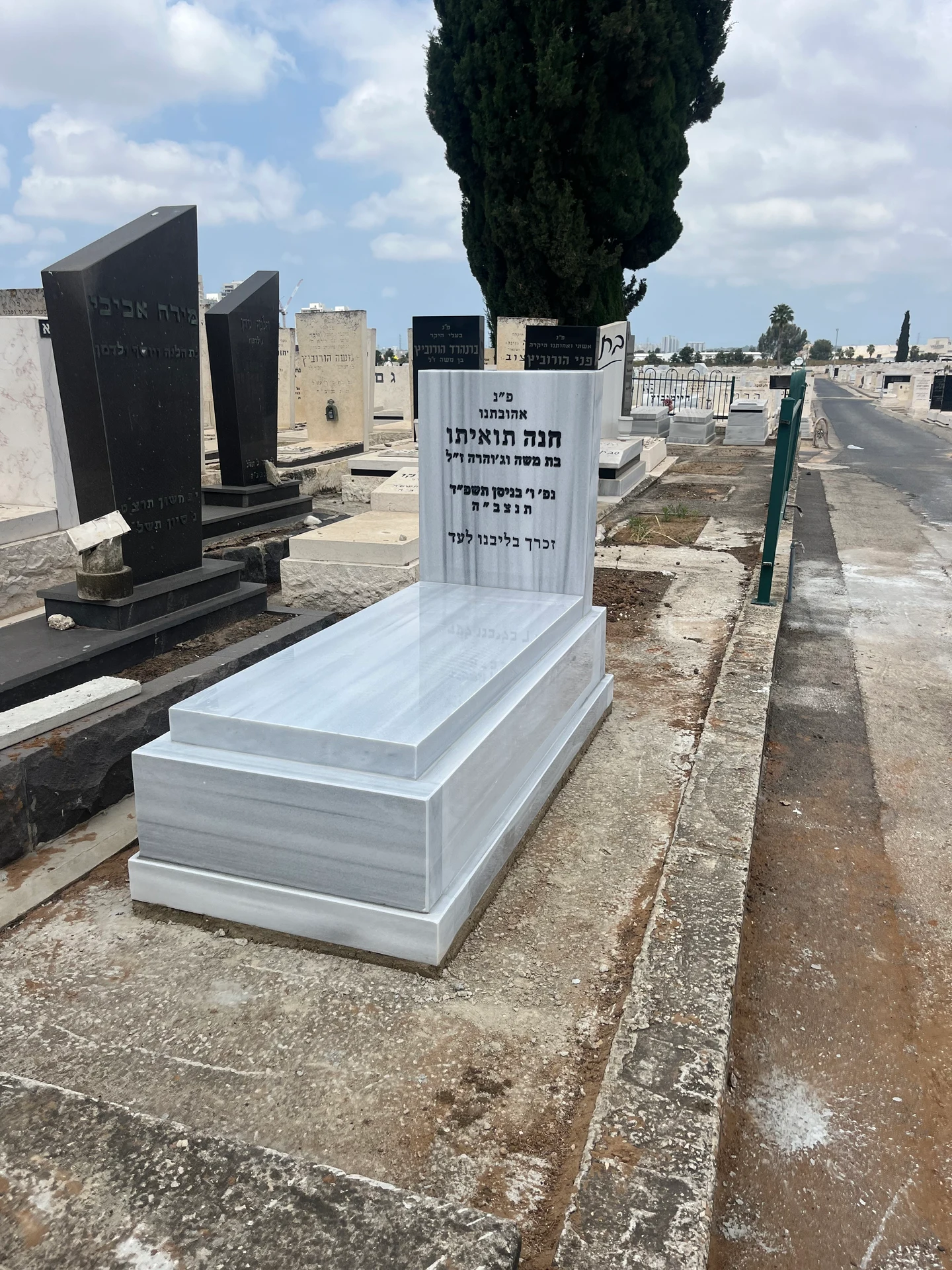
Headstone Prices: What Does a Headstone Cost, and What Is Included?
Headstone prices depend on stone, dimensions, inscriptions and installation. Learn to compare quotes, recognise extras and plan within your budget.
Read the guide