Choosing how to remember a pet is deeply personal. Some families want a full grave memorial; others prefer a small plaque or stone in a quiet corner. There is no single design that suits every bond. At Rubi, we begin with your pet, the setting and the memories you want to keep, then develop a clear design for you to review before work begins.
Dog memorials: remembering a devoted companion
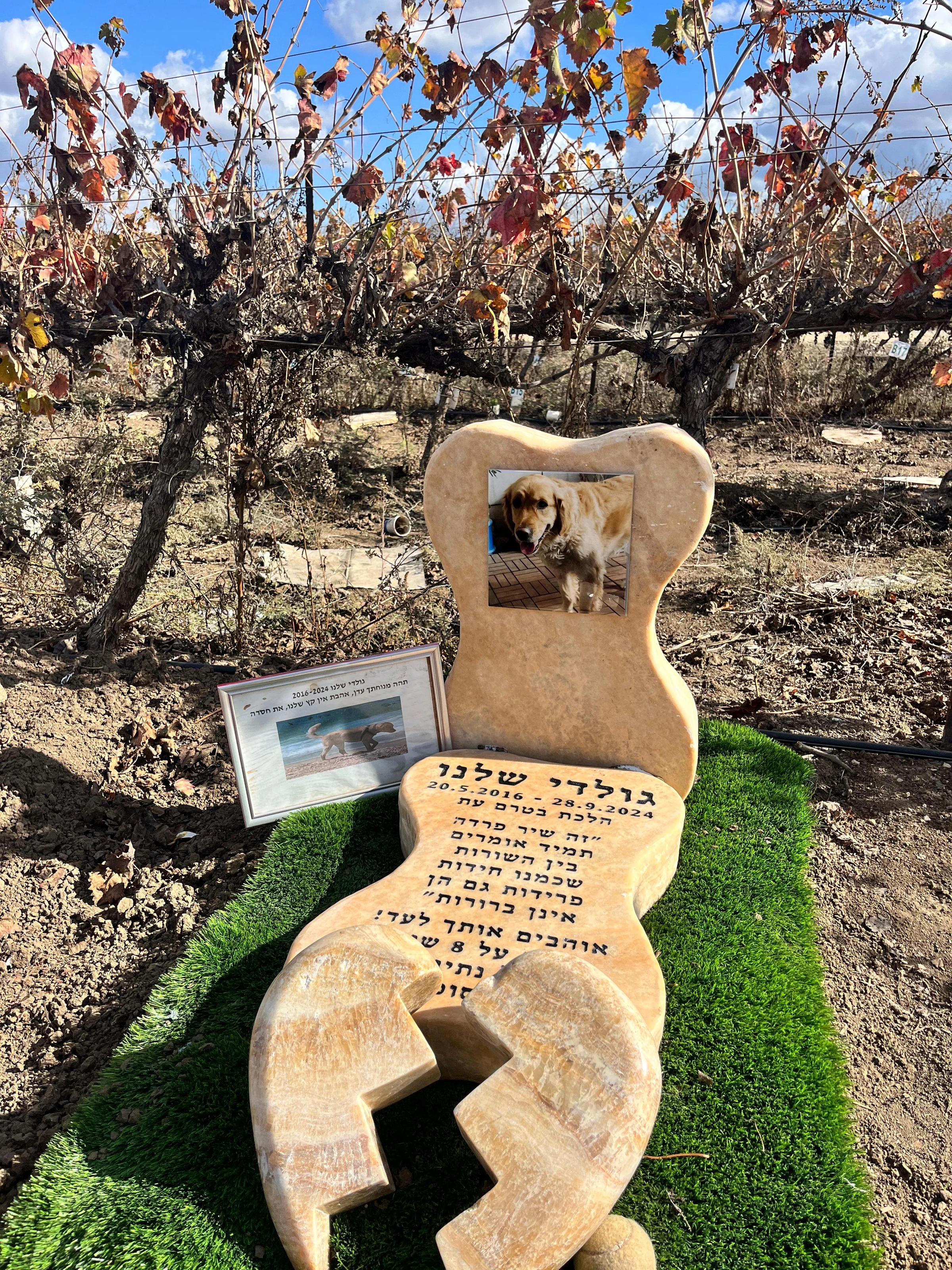
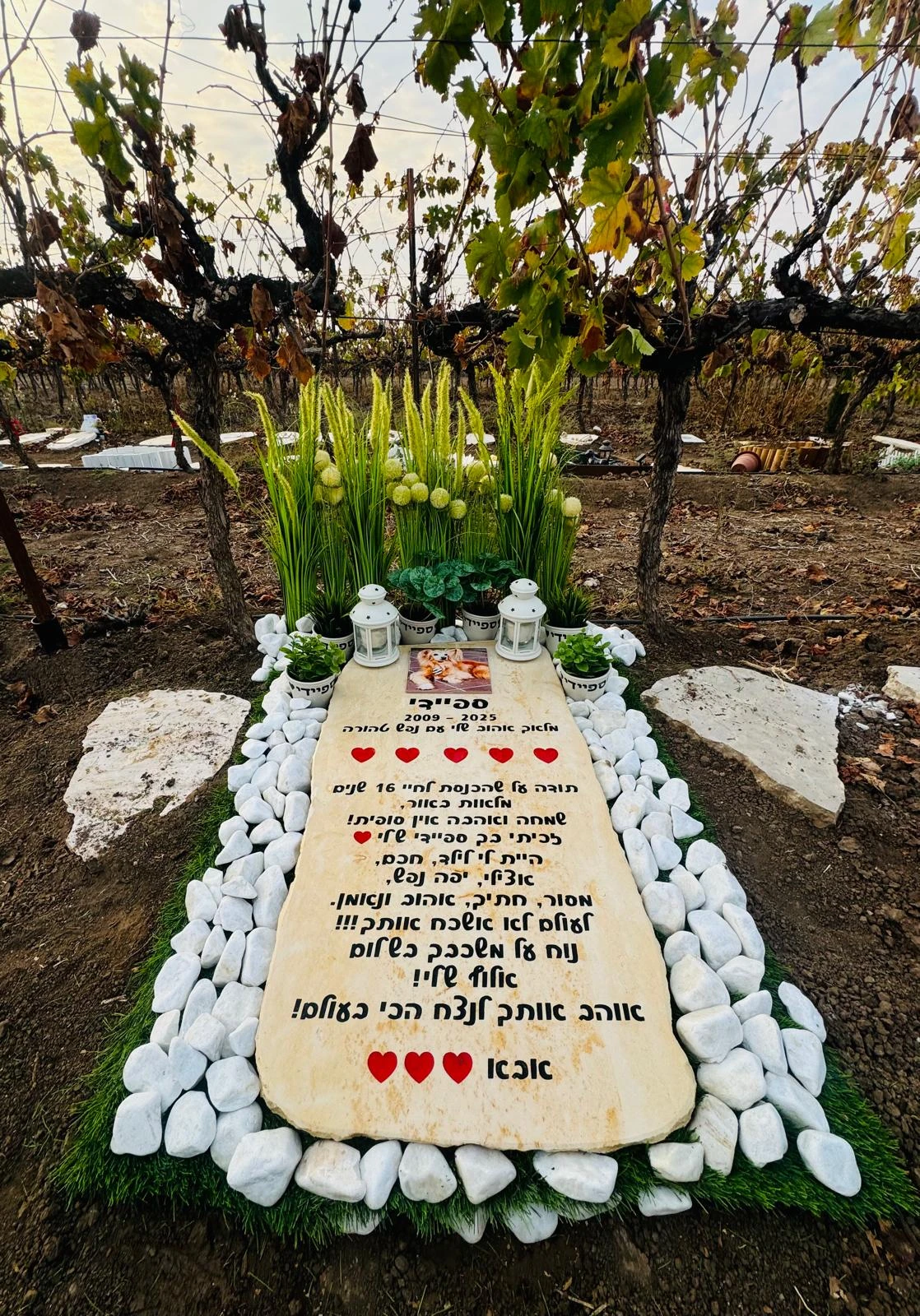
Dog memorials can use clean lines, a sculpted form, a portrait or a small detail that recalls your companion’s personality. Start with one meaningful feature: an expression, a sitting pose, a favourite toy or the name you used at home. That choice gives the design direction and helps keep it personal without overcrowding it.
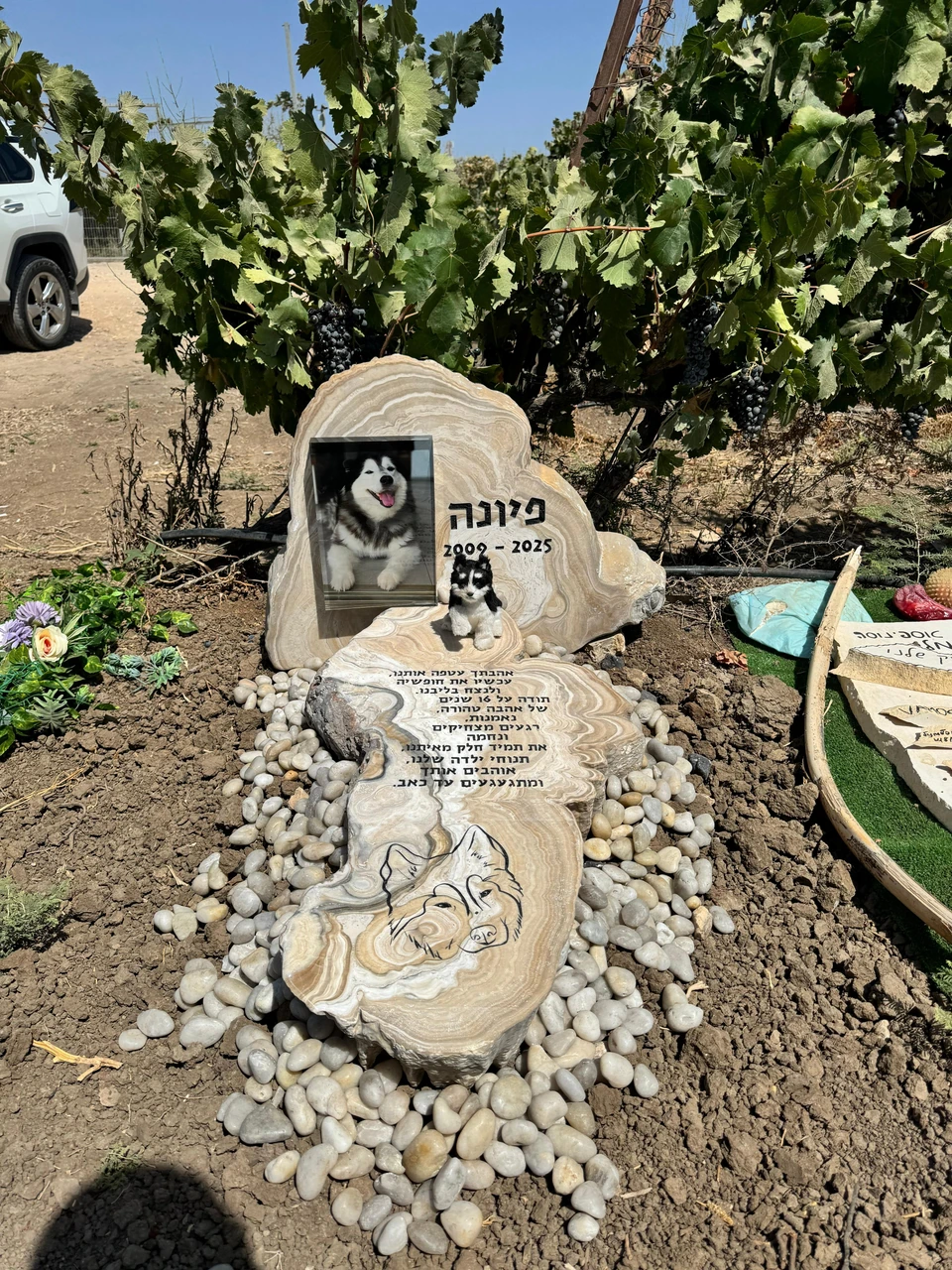
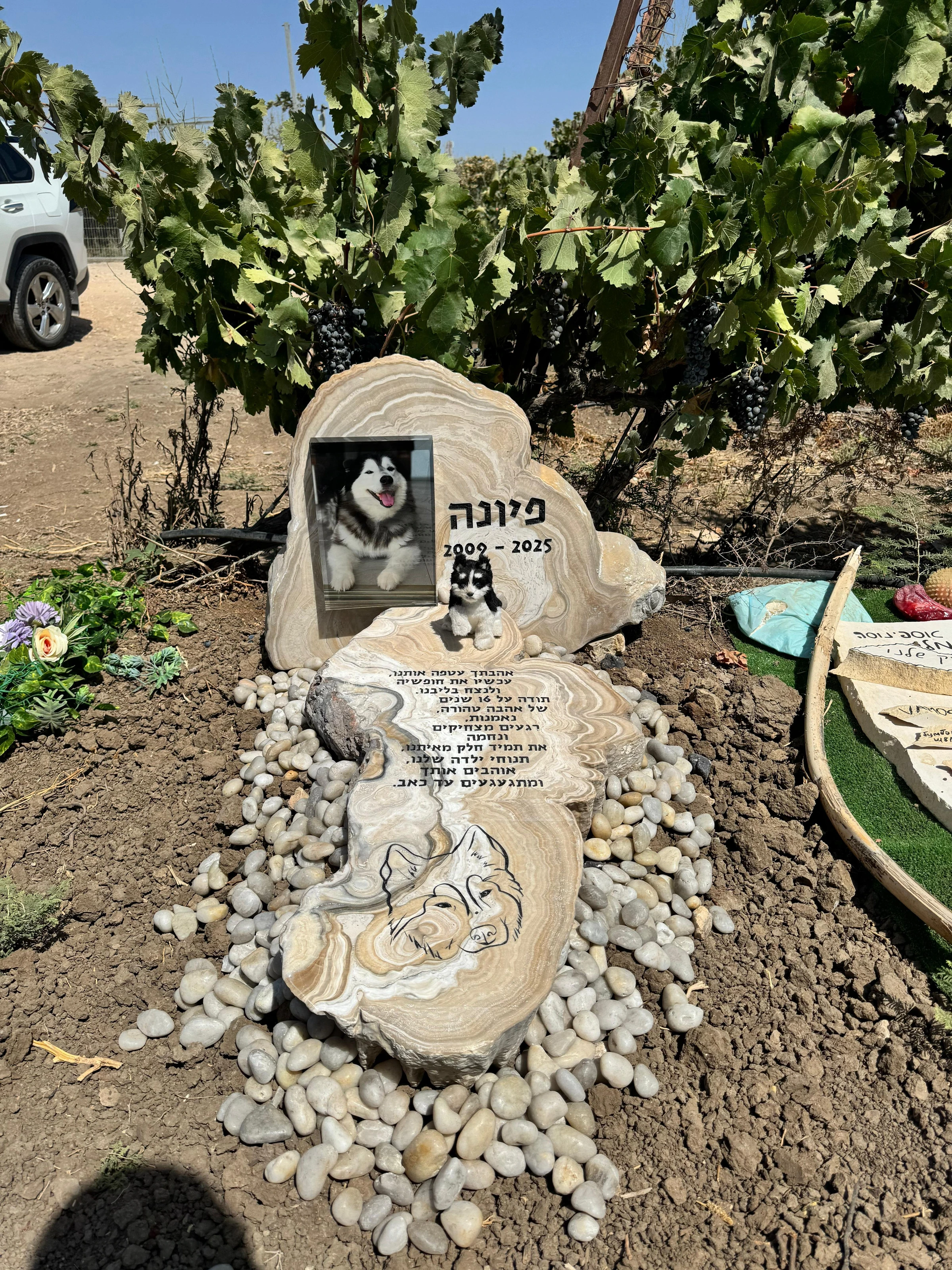
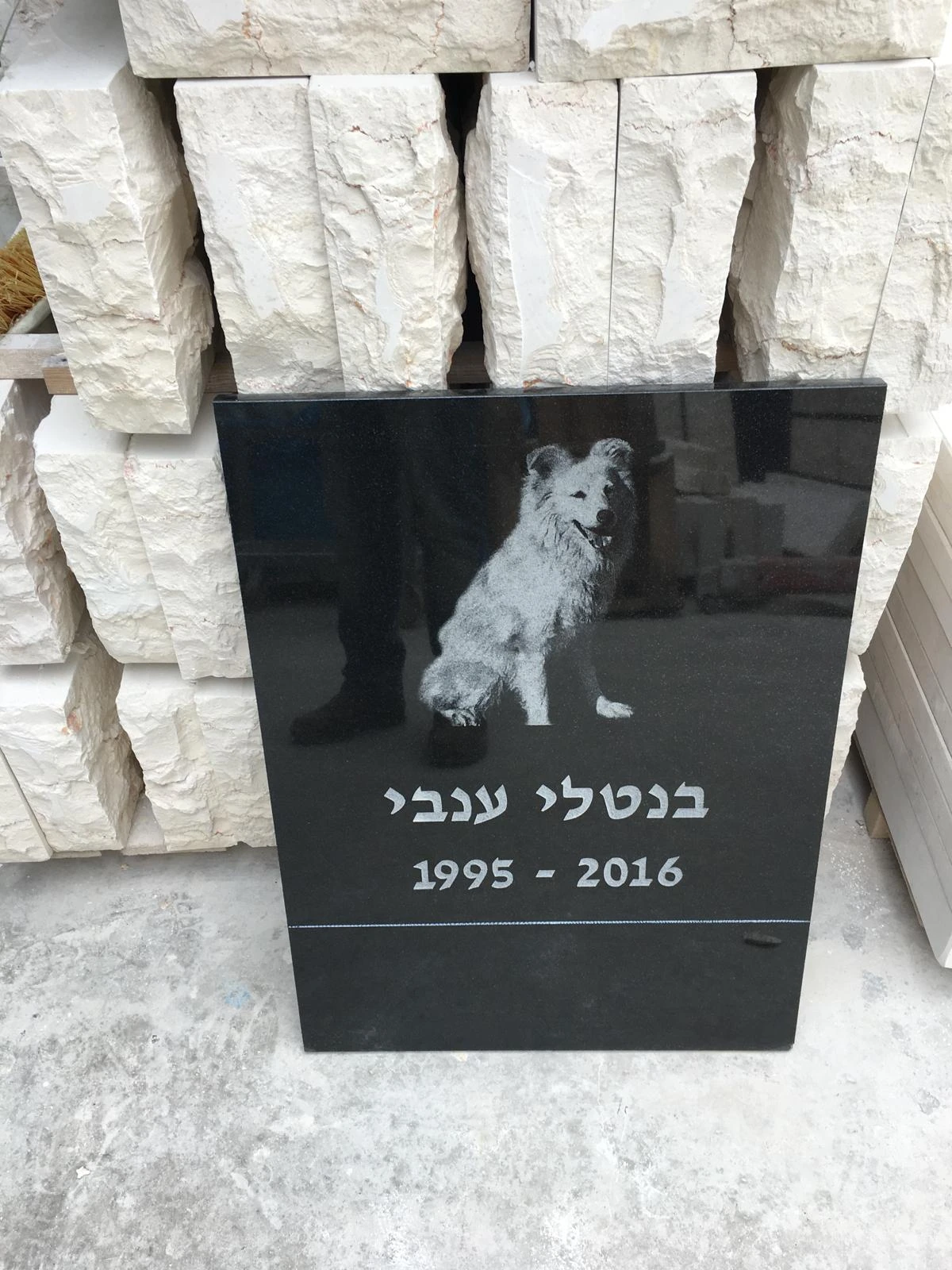
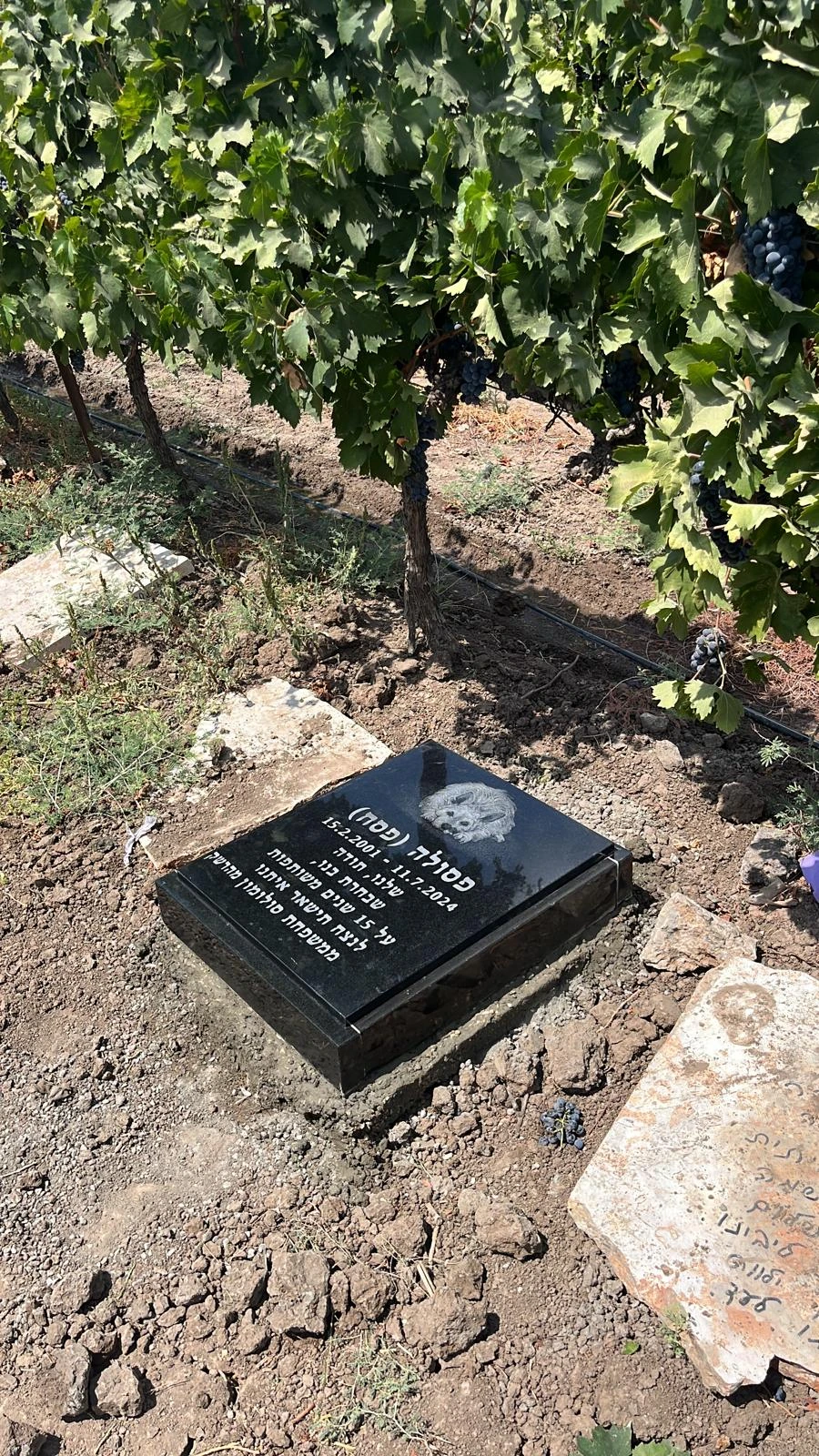
The gallery includes a bone-shaped design, a naturally contoured stone and a dark plaque with an engraved portrait. These are starting points, not a fixed catalogue. A dog’s size need not determine the size of the memorial: the available space, stability, inscription and proportions matter more. Where a photograph is included, we give it room to remain the focal point.
Cat memorials: a quiet tribute with its own character
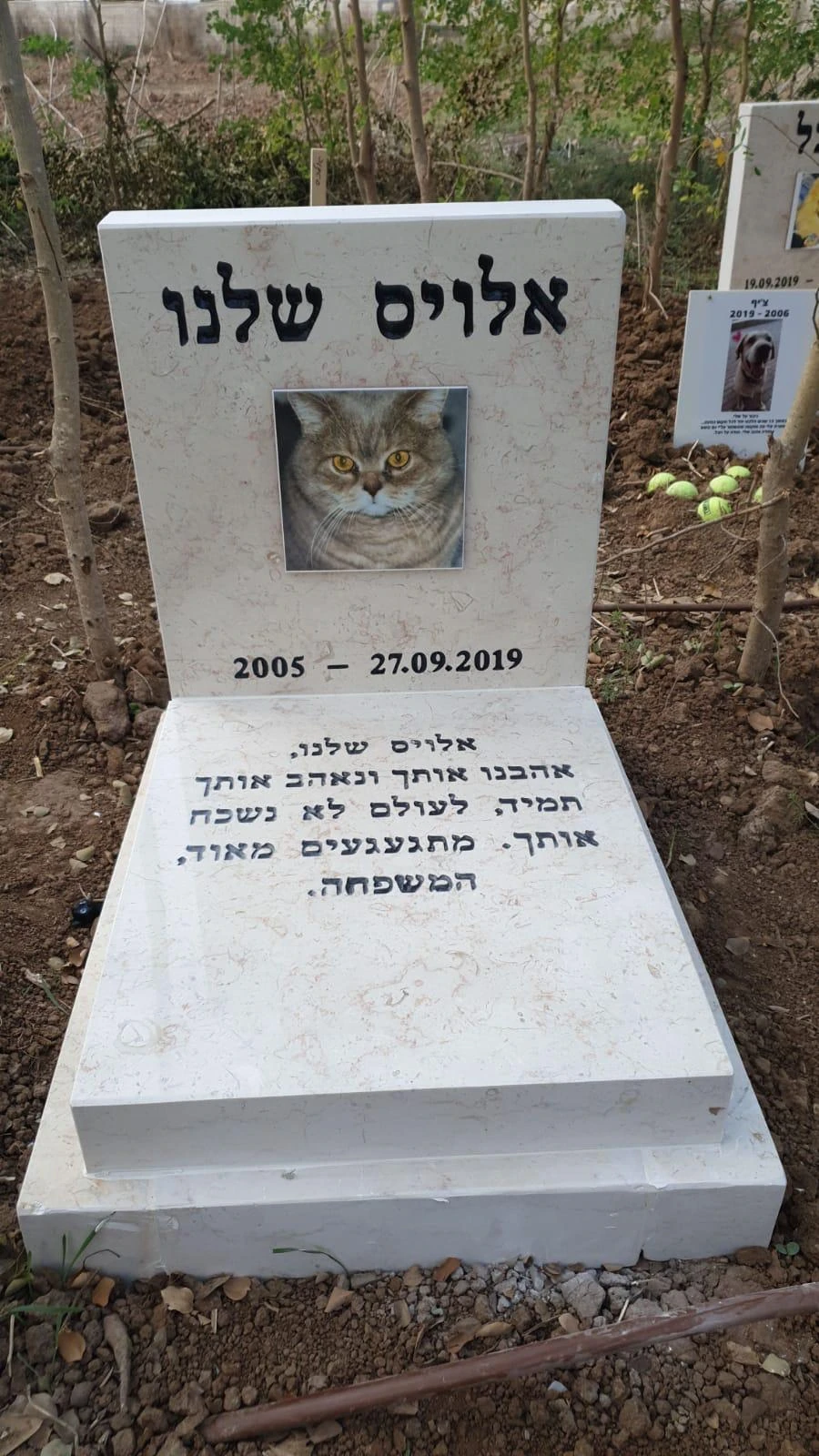
A cat memorial might focus on a familiar gaze, a silhouette, a name or a phrase recalling a daily ritual. A photograph with clear eyes and facial detail makes a useful starting point. Options include pale stone with a colour portrait, a dark engraved plaque or a simple remembrance stone. A name, dates and one personal line can say a great deal.
For cat memorials in a planted setting, consider how the surroundings will change. Growing plants may cover a portrait, direct irrigation can leave marks, and pebbles need a defined border. We consider the stone, inscription and setting together. A memorial corner can also be created away from a grave, subject to the suitability of the location and the agreement of those responsible for it.
Choosing stone for appearance, legibility and setting
Stone selection begins with the setting. An outdoor memorial faces sunlight, dust and water; a plaque in a sheltered space has different requirements. View the actual stone intended for the work rather than relying only on a trade name or photograph. Variations in colour, veining and texture can be part of its beauty, provided the portrait and lettering are planned around them.
Dark granite may suit a portrait or light lettering that needs contrast. Pale stone creates a different mood and can work with dark lettering and a colour photograph. A natural outline makes the stone itself part of the design. Each option needs consideration of thickness, finish, fixing and base. Colour alone is not enough, and different stones may require different care.
Portraits and engraving: preserving a familiar expression
For a portrait, send the highest-quality original photograph available. Choose a sharp, well-lit image with the face clearly visible. Screenshots and repeatedly forwarded files may have lost detail. We assess the file before deciding on portrait size and technique: enlarging a small image does not restore missing detail.
Options may include an engraved portrait or an image on a suitable ceramic or glass component. Confirm how it will be fixed, whether it suits outdoor exposure and how it should be cared for. Balance the picture with the name and inscription: too large, and it crowds the words; too small, and the expression may be lost.
What should a pet memorial say?
A name, dates and a short dedication are a possible starting point, but there is no required formula. You might choose “Always part of our family”, “For every walk and all your love”, or your own words. If the birth date is unknown, use years alone or omit dates. Choose details you know are accurate and words you will still want to read years from now.
Once the wording is chosen, plan the typeface, letter size, spacing and contrast. Leave enough clear space for easy reading. For two languages, check line breaks and reading direction. Approve the final spelling, dates, punctuation and placement before engraving. A careful proof is more valuable than an extra decorative detail.
The setting is part of the design
Before production, collect measurements and photographs of the location. Check suitable dimensions, materials and installation arrangements with the site operator or owner. A pet cemetery headstone and a private remembrance plaque may require different solutions. The base, stability, drainage and delivery access all matter; a small stone is not automatically suitable for placement directly on any ground.
With pebbles or planting, keep the inscription visible and the stone accessible for cleaning. Position pots so they do not place weight on delicate parts or a portrait. If the location is undecided, resolve it before committing to dimensions and construction. Ordering a memorial does not replace separate arrangements for burial or permission to use the site.
How much does a pet memorial cost?
The price depends on the specification, not simply the size of the pet. Stone selection, dimensions, thickness, carving, lettering, portraits and site work affect the quote. A small plaque and a multi-part sculpted memorial are different projects. For a useful estimate, send a site photograph, approximate measurements and one or two gallery examples you like.
Compare what each quote includes: design, stonework, lettering, portrait, base, transport, installation and the agreed payment and warranty terms. Ask for exclusions and items subject to a site inspection to be stated clearly. Share your budget early. A simpler shape or fewer components can preserve the most meaningful detail while keeping the design considered and coherent.
Caring for the stone and portrait
Follow the care guidance for the particular stone and portrait component. Confirm that any cleaner is suitable; avoid acidic products, abrasive treatment and water pressure that could damage joints or lettering. Remove loose debris gently and check the base and attached details periodically. Movement, cracks or loose components call for a professional assessment before repair. Proper care helps preserve a memorial, but no material is guaranteed to remain unchanged over time.